Sport
How Bendigo’s grassroots sports network is shaping the next generation of athletes
From suburban ovals to global arenas, the city’s community sport model is producing young talent with a distinct local edge.
3 min read
Updated 1 h ago
Sport
From suburban ovals to global arenas, the city’s community sport model is producing young talent with a distinct local edge.
3 min read
Updated 1 h ago

On Sunday, as Jannik Sinner lifted the Wimbledon trophy at the All England Club, a teenager from the other side of the world was waking up to his own moment in the spotlight. Cruz Hewitt, the 17-year-old son of former world No. 1 Lleyton Hewitt, played through the boys’ singles final at Wimbledon, falling to Jordan Lee in straight sets. Hewitt’s run in London marks a farewell to his junior career and a pivot to the professional ranks, but his pathway, like so many emerging athletes in regional centres such as Bendigo, began not in elite academies but on local community courts and ovals.
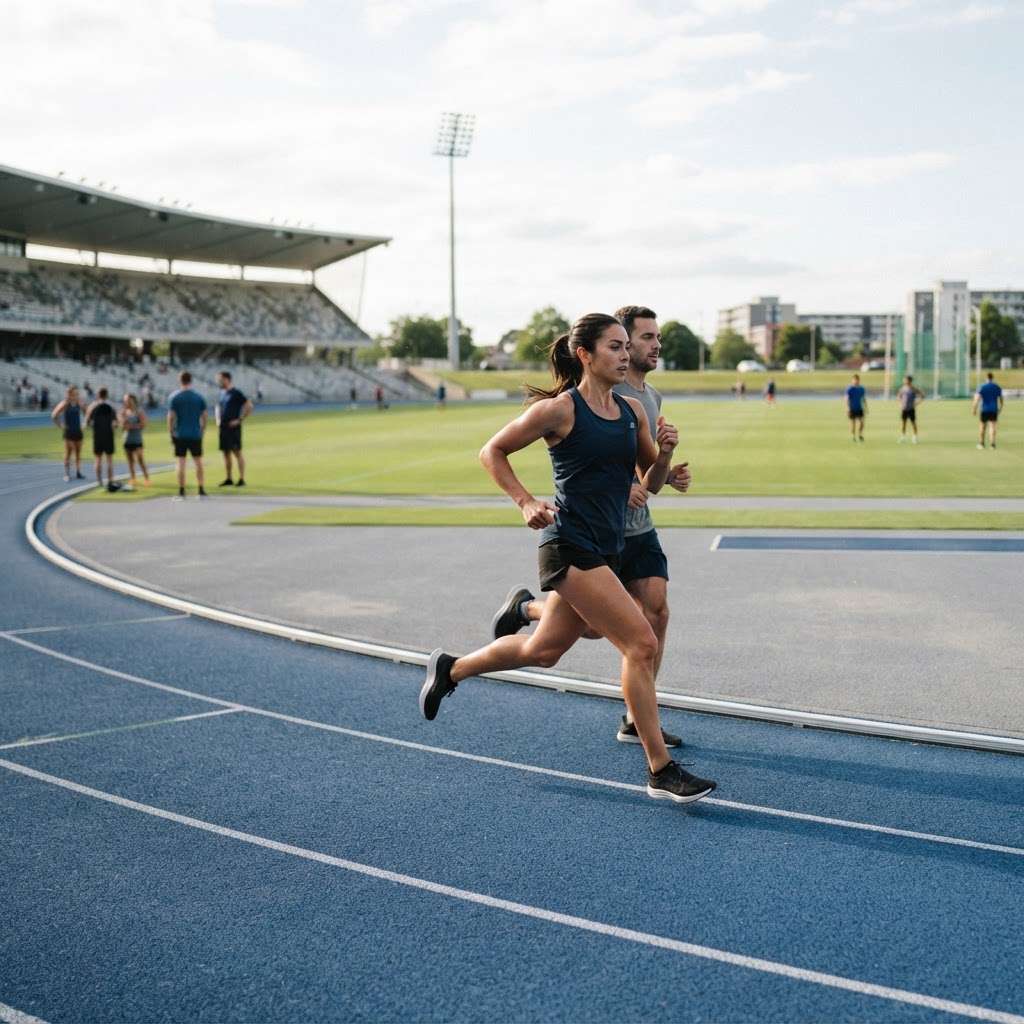
The lesson from Hewitt’s trajectory is one Bendigo’s grassroots sports coordinators already understand: the pipeline from suburban playing fields to national and international competition is not automatic. It requires deliberate investment, volunteer coaches and stable local facilities. In the past six months, the city has seen a surge in demand for junior sporting programs across football, netball, tennis and cricket, with participation rates climbing as families seek low-cost, accessible opportunities.
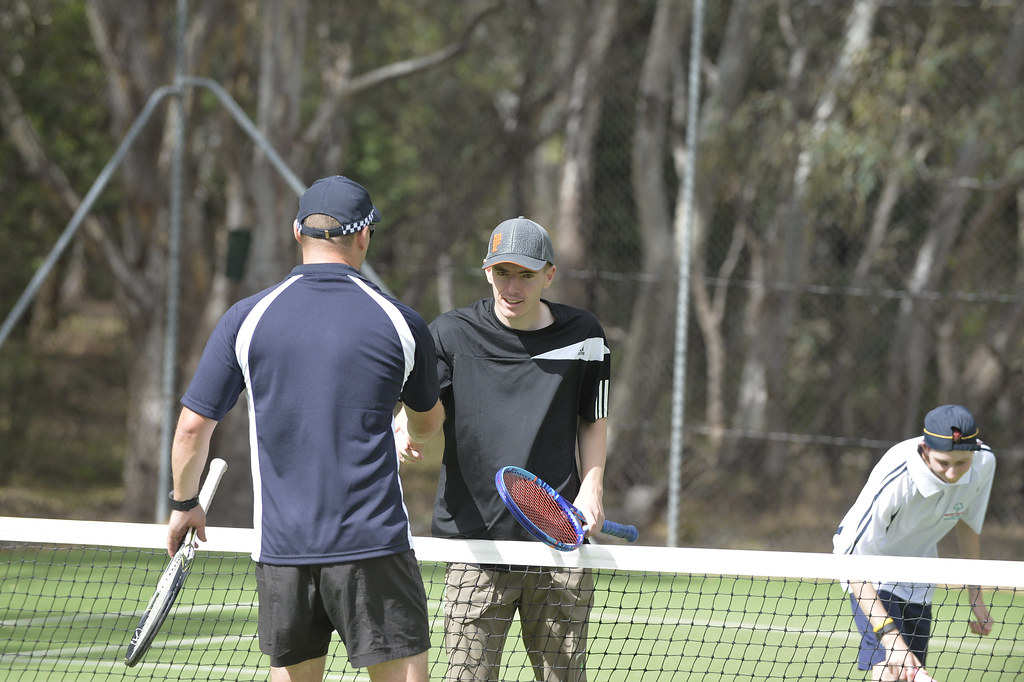
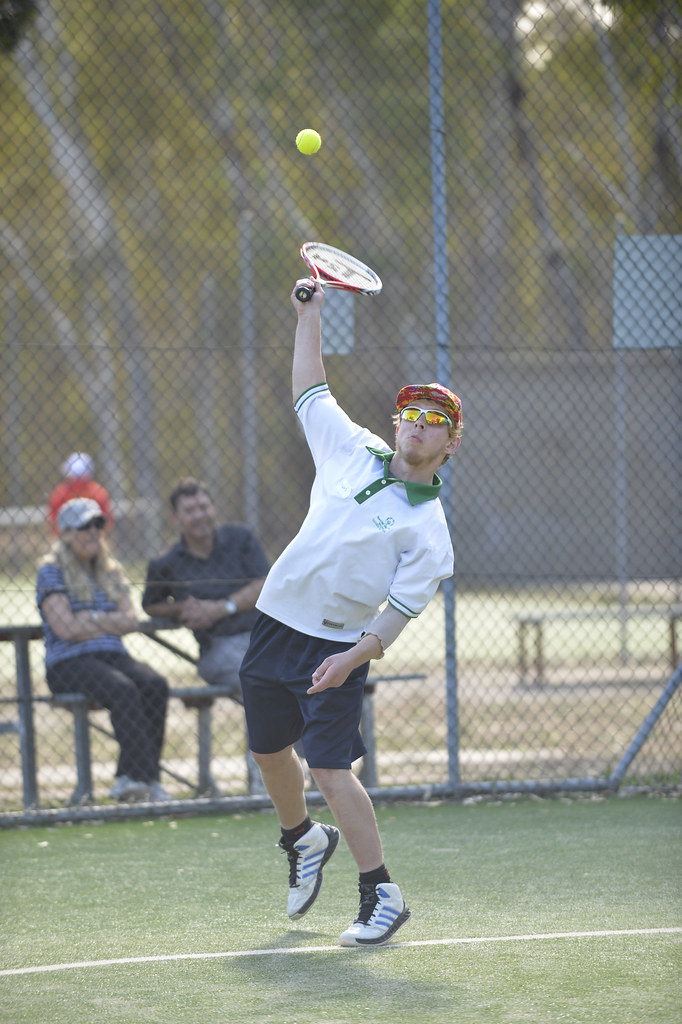
While exact local registration data is not publicly available for this quarter, qualitative evidence from club administrators points to a steady increase in under-12s and under-14s sign-ups, particularly in mixed-gender tennis and modified-rules football. Bendigo’s Golden Square Tennis Association has reported waitlists for its Saturday morning development clinics, echoing a national trend toward community-based, rather than academy-focused, development. The city’s network of volunteers, many of them parents or former players, has become the backbone of this growth, organising weekend matches, maintaining grounds and fundraising for equipment.
The broader landscape is competitive. At the elite level, athletes such as Sinner and Zverev are reclaiming the grass-court spotlight after major disappointments, but the grassroots story is one of incremental gains. In Bendigo, the focus is on retention: keeping young players engaged through their teenage years, when dropout rates typically spike. Local coordinators at the Bendigo Tennis Centre and the Epsom Recreation Reserve have experimented with flexible scheduling and shorter match formats to accommodate school and family commitments.
For those eyeing a shift from community sport to representative pathways, the immediate step is typically a trial with a regional academy or a relocation to a metropolitan hub. But Bendigo’s model suggests a different route. By strengthening intra-city leagues and inter-town competitions, such as the Bendigo Junior Football League or the Loddon Valley Netball Association, players can accumulate match experience and leadership opportunities without leaving home. The city’s sport clubs are now exploring partnerships with Bendigo Health and La Trobe University to offer injury prevention workshops and performance psychology sessions, aiming to keep young athletes healthy and motivated.
The local sports community does not pretend to replicate the resources of a professional tennis centre or an AFL club. Instead, it leans on what has always worked: committed volunteers, accessible facilities and a calendar of regular, low-pressure competition. For every Cruz Hewitt who makes the Wimbledon final, there are hundreds of Bendigo teenagers learning to serve, kick and pass on community ovals. The win, for the city, is that they keep showing up.
Sport

Sport

Sport

Sport
Sport
Sport
About this articleBeta
Published by The Daily Bendigo
Spread the word
Daily brief
Free, in your inbox before 7am. Weekdays.
The Daily Network — local news across Australia