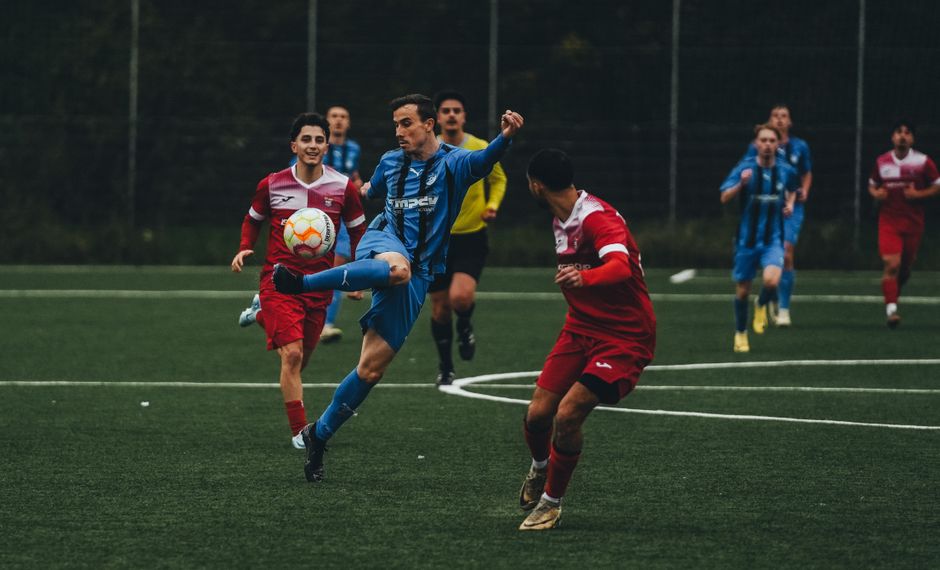
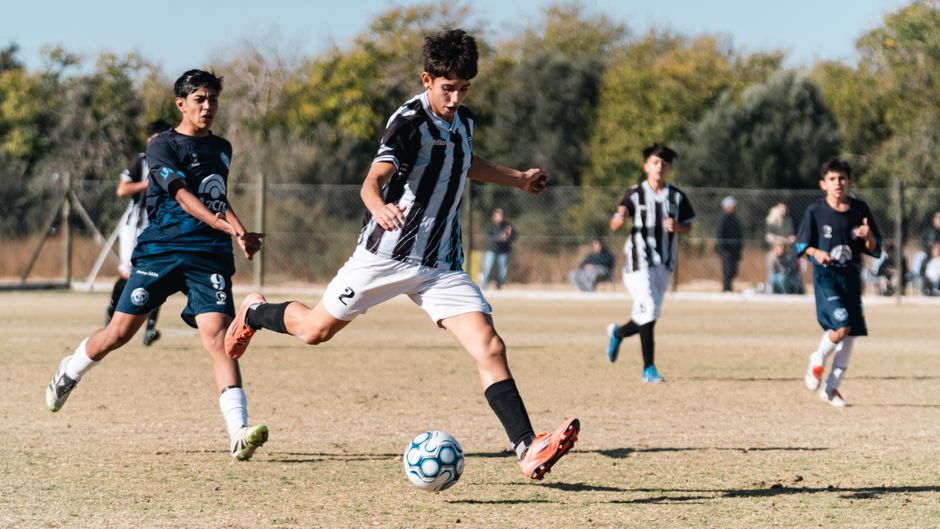
Registrations are up. Volunteers are returning. And on any given Saturday morning across Bendigo, the touchlines are packed three-deep with parents, grandparents and neighbours who barely knew each other six months ago. Youth sport in the city is not just surviving a turbulent post-pandemic decade — it is genuinely thriving, with several clubs posting their highest membership numbers since before 2020.
The timing matters. This week, Australians watched the Wallabies lose a Nations Championship heartbreaker and the Socceroos bow out of the FIFA World Cup in North America on penalties — gut-punch defeats that have sharpened a national conversation about the pipeline of elite talent. In Bendigo, local administrators say the answer to that pipeline question lives not in high-performance academies, but on suburban ovals where a seven-year-old touches a football for the first time.
Clubs Leading the Charge
Kangaroo Flat Football Netball Club, based at Doyle Park on King Street, recorded 214 junior registrations for the 2026 winter season — up from 178 the previous year. The club attributes much of that growth to its Friday-night come-and-try sessions, which ran every week through March and drew families from as far out as Maiden Gully. The sessions are free, require no prior registration, and have become something of an informal community event in their own right.
Meanwhile, the Strathdale-Marist Football Club on Heinz Street has partnered with the Bendigo Football League's Auskick program to run a dedicated multicultural outreach stream. The program, which kicked off in Term 1 this year, targets families from South Sudanese, Congolese and Filipino communities who have settled in Bendigo's northern suburbs over the past five years. Participation in that stream alone hit 60 children by April, according to club records sighted by The Daily Bendigo.
Soccer is seeing a similar surge. Bendigo City FC, which runs junior development out of the Epsom Recreation Reserve on Midland Highway, launched a girls-only Under-12 competition in February after a waiting list of 34 players built up late last year. The club charges $180 in annual registration fees — deliberately held below the regional average of $220 — and offers fee waivers through a hardship fund that paid out to 22 families in 2025.
What the Numbers Actually Show
Sport and Recreation Victoria's most recent participation data, released in March 2026, showed that regional Victoria recorded a 12 per cent increase in junior sport registrations across all codes between 2024 and 2025. Bendigo outpaced the state average, recording growth closer to 17 per cent when aggregated across the city's affiliated clubs. Basketball, football and soccer led the gains, but swimming at Bendigo Aquatic Centre on Gillies Street and junior cycling through the Bendigo Cycling Club — which runs development programs at the Bendigo Velodrome on Holmes Road — also posted strong numbers.
Local administrators credit several factors: the return of school-holiday programs after years of disruption, a modest $50,000 grant distributed by the City of Greater Bendigo through its 2025-26 Community Sport Infrastructure Fund, and what many describe simply as a mood shift. Families are looking for connection, and weekend sport is delivering it in ways that digital alternatives cannot replicate.
For parents weighing up their options ahead of the Term 3 and summer season registrations that open in August, the practical advice from club administrators is simple: don't wait for the perfect moment. Most Bendigo clubs — from the junior tennis programs at the Bendigo Lawn Tennis Club on Barnard Street to the Under-8s cricket at Queen Elizabeth Oval — run expressions-of-interest processes that fill fast. Several clubs reported turning away late registrations last season for the first time in memory.
The wider lesson is harder to reduce to a registration form. Across Kangaroo Flat, Strathdale, Epsom and Golden Square, volunteer coaches, canteen workers and committee members are collectively logging thousands of hours every season not because they are chasing elite outcomes, but because they understand what a club actually is: a place where a city shows up for itself.