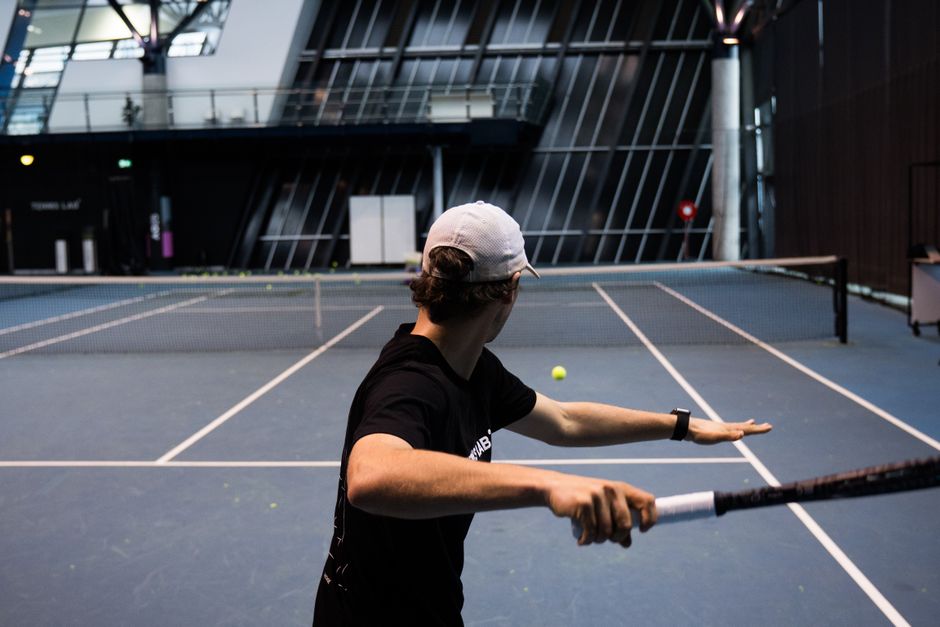
Walk past the Bendigo Sports Park on any Tuesday evening and you'll see the courts alive with activity: netball teams in their club colours warming up, basketballers practising their shots, and younger players eager to learn. This scene repeats across our city—and it's happening precisely when communities need it most.
Amateur sports clubs across Bendigo are experiencing a resurgence in membership and participation that club administrators describe as unprecedented. The Bendigo District Netball League, which runs competitions from April through September, reported a 23 per cent increase in registered players this year compared to 2024. That translates to over 1,200 women and girls competing across multiple grades.
"We've got waiting lists for junior teams," explains one club coordinator whose organisation operates across three venues in Golden Square and Strathdale. "Families are recognising that sport isn't just about exercise—it's about belonging."
The economics are modest but significant. Most recreational clubs charge between $120 and $180 per season for junior players, with senior fees ranging from $180 to $250. These aren't profit-making enterprises; registration fees fund grounds maintenance, equipment, and volunteer recognition programs. Several clubs report that sponsorship from local businesses—hardware stores, cafes, physiotherapy clinics—has doubled in the past 18 months.
Beyond the statistics lies something harder to measure. At the Bendigo Baseball Club's facility near Lake Weeroona, players aged 8 to 60 share dugouts and mentorship. The local lawn bowls clubs on High Street have introduced "social" formats that attract younger participants tired of screen-heavy evenings. Cycling groups departing from White Horse Lake have grown from eight regular riders two years ago to nearly 40.
What's driving this? Club leaders point to several factors: pandemic-era appreciation for outdoor activity; parents seeking structured, affordable recreation for children; and a quiet hunger for the accountability and friendship that comes with team commitment.
"Sport gives you a reason to show up," one junior soccer coach at Bendigo Youth Soccer Club reflects. "You're part of something. You know 20 people who'll ask how your week went."
As Bendigo continues to grow, these clubs remain anchored in their neighbourhoods—still run largely by volunteers, still accessible, still fundamentally about turning strangers into teammates. In an era of increasing isolation, that matters more than ever.
This article was compiled by AI from the sources linked above and screened before publishing. See our editorial standards.