Property
How much rent is too much? The 30% rule in practice
As Bendigo's rental market tightens, many locals are spending well beyond the recommended threshold—and asking whether saving for a home deposit is still realistic.
2 min read
Property
As Bendigo's rental market tightens, many locals are spending well beyond the recommended threshold—and asking whether saving for a home deposit is still realistic.
2 min read
For decades, financial advisors have preached the golden rule: housing costs should not exceed 30 per cent of gross household income. In Bendigo, where median house prices hover around $490,000 and rental vacancy rates have dropped sharply, that benchmark is becoming increasingly theoretical rather than practical.
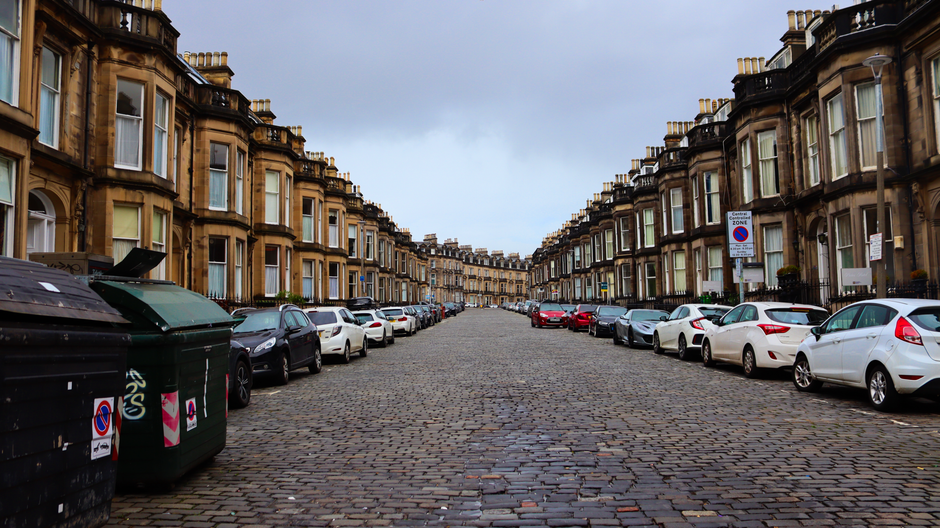
A two-bedroom villa on the leafy streets of Flora Hill or Strathdale now commands $420–$480 per week—figures that would swallow 40 to 50 per cent of a typical household earning $60,000 annually. For remote workers and Melbourne commuters who've relocated here seeking more space and lower costs, the calculus has shifted dramatically.
"The 30 per cent rule was designed for stability and savings," explains one local financial counsellor, speaking broadly about sector trends. "But when you're paying 45 per cent, you're not building a deposit. You're surviving month to month."
Bendigo's rental squeeze mirrors pressures in regional Victoria more widely. The region's appeal as a cultural hub—with the Art Gallery of Bendigo, thriving foodie scenes along Mitchell Street, and proximity to Melbourne—has accelerated demand. Young families and professionals fleeing inner-city rents have discovered lower-cost living here, inadvertently driving rents upward.
The irony is sharp: renters fleeing unaffordable markets find themselves trapped in Bendigo's equivalent squeeze, unable to save the 20 per cent deposit required for home ownership. Meanwhile, those who purchased property in Flora Hill or Strathdale five years ago have watched their investments climb steadily, widening the gap between renters and owners.
For Bendigo's service sector workers—hospitality staff, retail workers, community health providers—the 30 per cent threshold is a distant dream. Many are spending 50 per cent or more of income on housing, leaving little for transport, childcare, or emergency savings.
Some are exploring alternatives: house-shares in suburbs like East Bendigo, commuting from smaller towns on the Calder Highway, or choosing to remain renters indefinitely rather than chase an increasingly unrealistic purchase price.
The question Bendigo renters are now asking isn't whether the 30 per cent rule is realistic—they know it isn't—but whether the dream of ownership here remains achievable at all, or whether this city's transformation into a regional lifestyle destination has simply priced out the people who power it.
This article was compiled by AI and screened before publishing. See our editorial standards.
Spread the word
About this article
Published by The Daily Bendigo
Daily brief
Free, in your inbox before 7am. Weekdays.