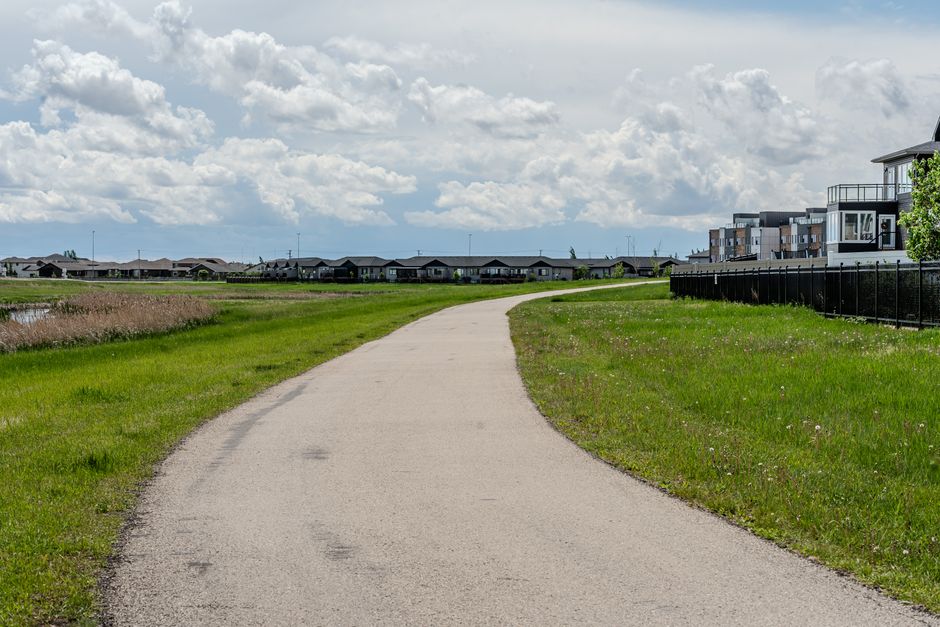
A proposed 84-unit townhouse complex on the edge of Strathdale has reignited one of Bendigo's most contentious planning battles—and it reveals a fundamental tension shaping our city's future.
The development, planned for vacant land near Barnard Street, would deliver homes at an average price of $485,000, just below Victoria's median of $490,000. Yet two dozen nearby residents have lodged formal objections, citing traffic congestion on already-busy Pall Mall, pressure on local schools, and loss of green space that currently serves as informal bushland.
"We're not anti-development," says Linda Chen, who organised the local action group. "But Bendigo's growing so fast that infrastructure hasn't kept pace. Where's the promised upgrade to Anderson Street? When does the council address parking in Flora Hill?"
The developer's perspective carries equal weight. Project manager David Rossi points out that Bendigo's population is projected to grow 15 per cent by 2036, yet housing supply remains constrained. "These aren't McMansions," he explains. "They're compact, medium-density homes designed for young families and downsizers. Affordability matters."
Council planning documents reveal the tension is real. While Bendigo desperately needs housing to absorb growth from remote workers and Melbourne commuters—sectors that have reshaped our local market since 2020—neighbourhood character and amenity remain legitimate concerns. The same council that approved two major residential precincts in Golden Square last year is now fielding complaints about parking and school capacity in established suburbs.
Planning consultant Margaret Walsh, who advises local councils across regional Victoria, says this pattern is universal. "Communities want housing solved—until it's solved next to them," she observes. "The missing piece is often transparent infrastructure planning. If residents saw a genuine commitment to new bus routes, school expansions, and traffic management *before* approvals, opposition softens considerably."
The Strathdale application heads to council in September. Officers recommend approval, subject to conditions including a $450,000 contribution toward local road works. The developer has also offered to dedicate a small portion of the site as public open space—a gesture that may sway some residents, though action group members remain unconvinced.
For Bendigo, the outcome matters beyond one suburb. As Victoria's regional economy strengthens and housing pressures intensify, how we navigate these conflicts will define whether our city remains affordable and accessible, or whether growth becomes the preserve of larger urban centres.
The real question isn't whether Bendigo should grow. It's whether we can grow thoughtfully.
This article was compiled by AI from the sources linked above and screened before publishing. See our editorial standards.