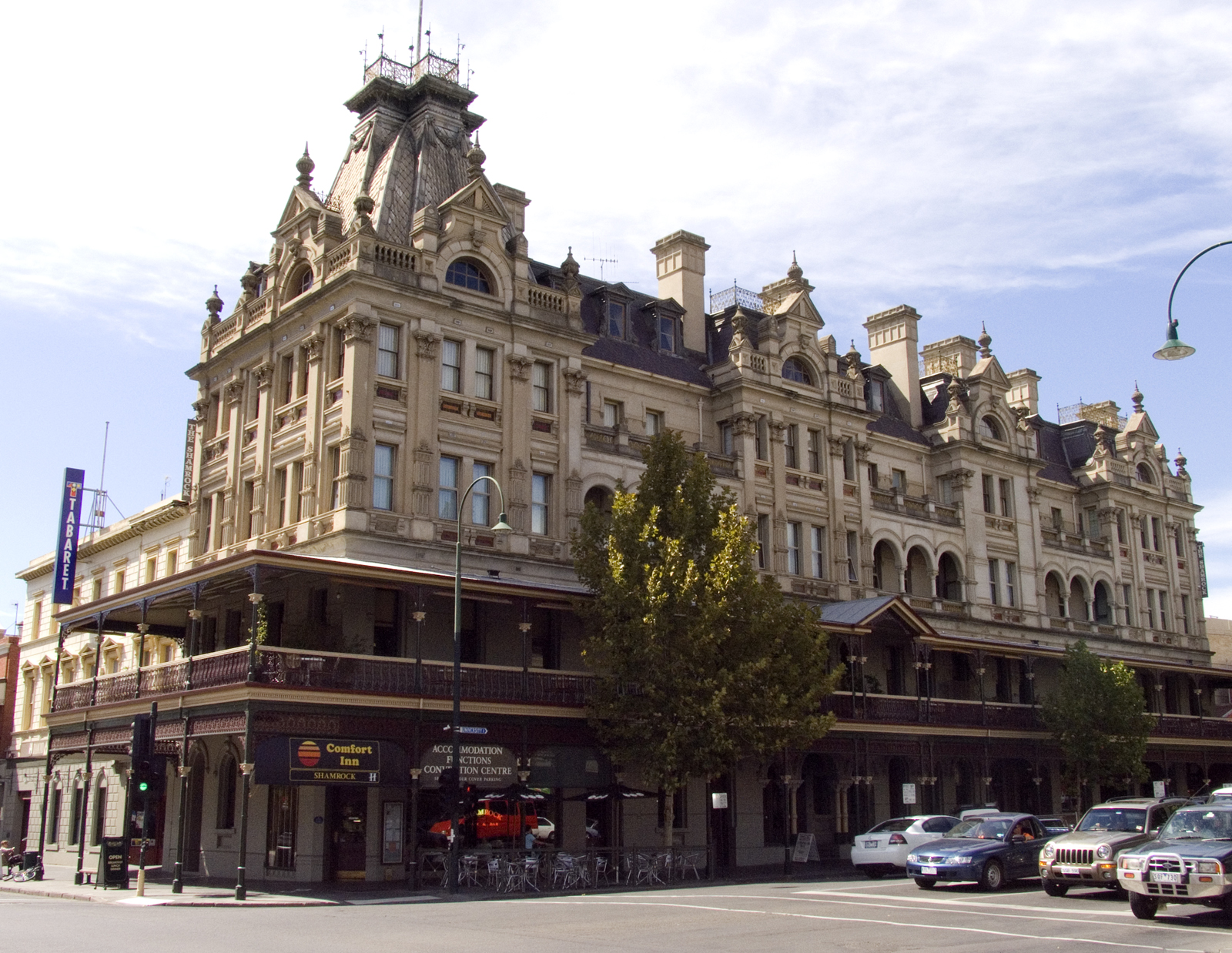
Bendigo Economy Snapshot: The Path From Manufacturing Output to Service Employment
Greater Bendigo reached a 2024 Gross Regional Product of $10.5 billion after years of industry adjustment that lifted service sector jobs while manufacturing retained the largest single output share.
AI-assisted journalism under human editorial accountability and risk-based review. AI may assist with research, summarising and drafting. Where public source links underpin the article, they are shown below. Sensitive material is held for human review; some lower-risk material may be published automatically after sourcing, accuracy and safety checks. The Daily Bendigo covers Bendigo news. It is provided for general information only and is not professional, legal, financial, or medical advice. Read about our editorial care →
Greater Bendigo recorded a Gross Regional Product of $10.5 billion in 2024, placing it as Victoria's third-largest regional economy. The figure reflects the cumulative result of employment shifts and output changes that began accelerating after 2020.
Industry Output and Workforce Size
Manufacturing continued to supply the single largest contribution to total output at $3.1 billion or 18.3 percent even as the region moved toward services. The local economy supported around 82,000 jobs as of August 2025, with Health Care and Social Assistance, Retail Trade and Construction listed as the top three employing sectors.
How the Shift Developed
Health Care and Social Assistance employed 15,500 workers in August 2025 after a 14.9 percent decline over the prior year. Retail Trade employment rose 32.9 percent and Construction employment rose 9.3 percent over the same period. These movements occurred alongside a steady 2.3 percent increase in local micro-businesses recorded over the preceding two years and a total business count of 8,165.
The unemployment rate stood at 3.4 to 3.5 percent in late 2023. Population growth averaged 1.7 percent annually during the same timeframe, supporting demand for additional workers projected at 11,655 by 2027.
Employment and Output Patterns
The data show Health Care and Social Assistance remaining the largest employer despite the recorded drop, while Retail Trade and Construction posted the strongest employment gains. Manufacturing output share stayed above other individual sectors even as the overall economy added service-based activity.
Future workforce needs will continue to reflect the existing pattern of service sector growth alongside retained manufacturing output. Local businesses and training providers can align offerings with the documented employment increases in retail and construction and the sustained health sector scale.
Covering news in Bendigo. This article was generated by AI, under human editorial accountability and risk-based review and our reasonable editorial care. Sensitive material is held for human review before publication. See our reasonable editorial care.
Beta: AI-assisted and human-overseen. Details may be imperfect, so please verify anything important.
Spread the word
Share
Daily brief
Enjoyed this? Wake up to Bendigo news every morning.
The Bendigo local brief — free, every morning
Free daily Bendigo email brief. By subscribing you consent to receive it; unsubscribe anytime. Briefs are produced with AI assistance and edited by a human editor.