News
Bendigo's Transport Approach Stands Out Among Regional Global Peers
With a heavy reliance on cars and modest public transit use, Bendigo faces unique challenges compared to similar cities worldwide.
3 min read
Updated 1 h ago
News
With a heavy reliance on cars and modest public transit use, Bendigo faces unique challenges compared to similar cities worldwide.
3 min read
Updated 1 h ago

Bendigo remains predominantly car-dependent, with private vehicles accounting for 78% of trips in Greater Bendigo, while public transport usage lingers at just 4% of all trips, according to recent Victorian government data. This contrasts sharply with comparable regional cities overseas that often prioritize public transit to reduce congestion and environmental impact.
Understanding how Bendigo manages its transport infrastructure is critical as the city grows and regional connectivity becomes more important. Traffic congestion, environmental sustainability, and accessibility all hinge on effective transport strategies. With La Trobe University’s regional campus expanding and Bendigo Health undergoing capital investments, the volume of daily commuters and visitors is expected to rise, putting further pressure on existing systems.
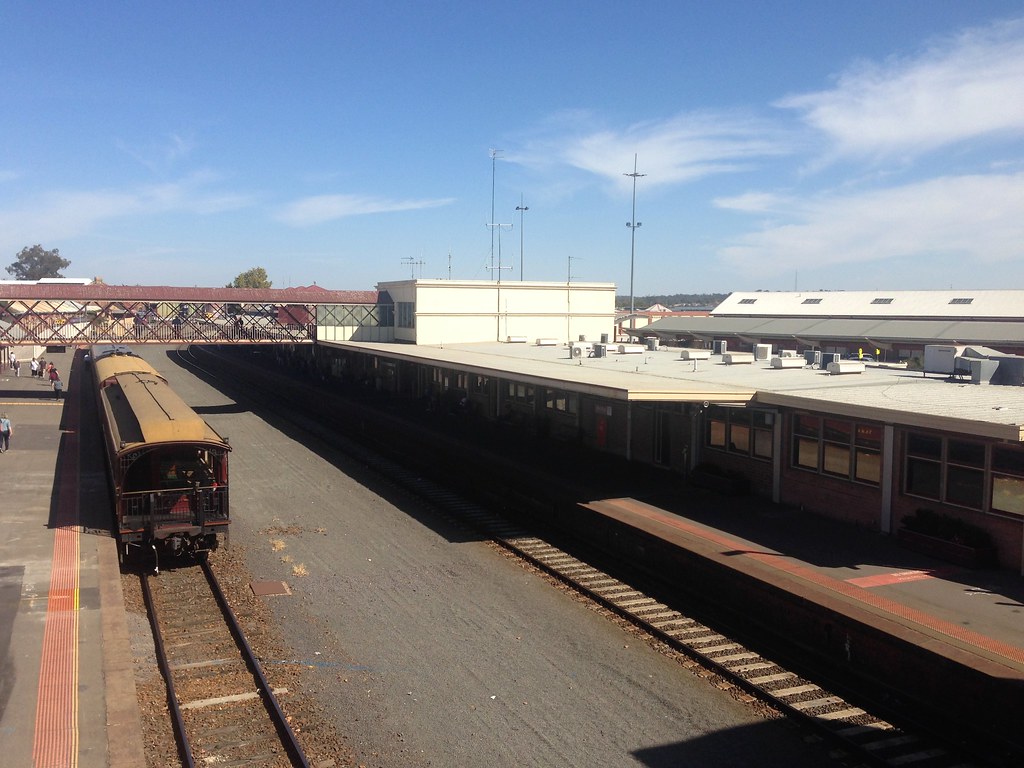
Bendigo is served by 16 bus routes primarily operated by Christian's Bus Company, all converging at Bendigo Railway Station. Recent enhancements under the 'Bendigo Metro' initiative have added 10 extra weekday bus trips to the suburb of Epsom and introduced an evening service to Eaglehawk, helping address some off-peak transit needs. The station itself is a key node in regional transport, connecting to Melbourne’s Southern Cross Station via V/Line trains at least hourly, with journey times between 90 and 120 minutes. This rail service anchors Bendigo as a major regional hub in northern Victoria.
Despite these connections, public transport usage remains low, with 4% of trips made by public transport compared to 78% by car. The Calder Freeway (M79) also facilitates road travel to Melbourne, with driving times varying from 1.8 to 2.8 hours depending on traffic and location within the 150-164-kilometre distance. Speeds reach up to 110 km/h on sections of dual carriageway, supporting the city’s heavy reliance on automobiles from both residents and visitors.
Globally, similarly sized regional cities often achieve higher public transport uptake through integrated services, dense schedules, and pedestrian-friendly urban design. While Bendigo has introduced pedestrian-operated signals in its CBD to enhance walkability, its overall street layout and transport culture favor driving. Uber and Bendigo Taxis provide supplementary options for local travel, and vintage tram services complement the tourist experience rather than daily commuting needs.
The vintage Talking Tram and shuttle trams serve community and event transport during Easter and the Bendigo Sheep Show but do not significantly impact commuting patterns. With public transport mode share remaining under 5%, Bendigo’s transport efficiency and sustainability face challenges similar to other car-dependent regional centres worldwide. This model strains road infrastructure and environmental goals over time.
Given this environment, transport planners and local government must balance investments in public transport frequency and coverage with road maintenance and traffic management to meet current demand. Enhancements to the bus network and ongoing rail connections remain central, but increasing public transport’s attractiveness will require addressing convenience, frequency, and last-mile access.
Commuters and visitors should expect continuation of the existing service patterns for the near future. Residents reliant on private vehicles will need to account for peak traffic periods, especially toward Melbourne. Meanwhile, those interested in public transit can benefit from using the extra Bendigo Metro trips and exploring V/Line services from Bendigo Railway Station. Engagement with local transport planning initiatives may offer opportunities to influence future enhancements aligned with global best practices for cities of Bendigo’s size and regional significance.
News

News
News

News

News
News
About this articleBeta
Published by The Daily Bendigo
Spread the word
Daily brief
Free, in your inbox before 7am. Weekdays.
The Daily Network — local news across Australia