News
Bendigo Emergency Services Look to Global Regional Models
Bendigo is examining how comparable cities overseas manage emergency calls and resources as demand patterns shift.
2 min read
Updated 2 h ago
News
Bendigo is examining how comparable cities overseas manage emergency calls and resources as demand patterns shift.
2 min read
Updated 2 h ago
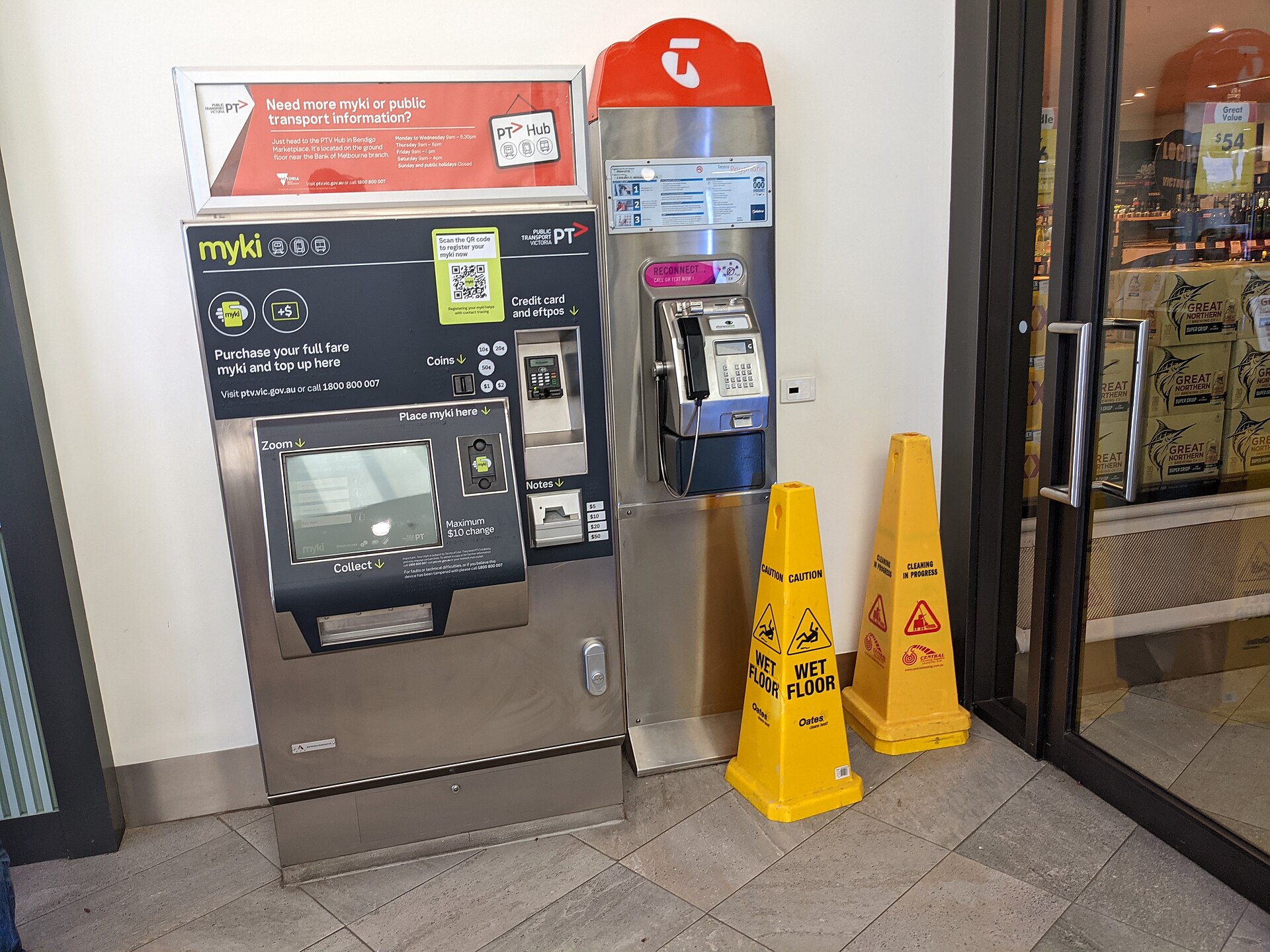
Bendigo emergency services continue to operate under the same constraints facing many inland Australian centers, with crews responding to incidents across a wide rural-urban mix without the specialist units common in larger capitals.
The pressure on these teams has grown in recent years because population growth and seasonal tourism stretch available ambulances, fire appliances and police units across greater distances than in compact metro areas. Local leaders have started reviewing how other mid-sized regional cities handle similar loads instead of waiting for additional state funding that may not arrive soon.
Regional centers in New Zealand and parts of Canada have reallocated some non-urgent medical transfers to private providers, freeing paid paramedics for higher-priority jobs. Bendigo crews have tested elements of that approach on a limited scale, particularly around routine patient movements between Bendigo Health and smaller district hospitals. The change reduces vehicle downtime but still leaves gaps when multiple serious cases occur on the same shift.
European towns of similar size have invested in shared dispatch software that lets police, fire and ambulance see each other’s availability in real time. Victorian services already use a central call system, yet Bendigo responders note that the current platform does not always update fast enough during peak periods such as harvest season or major events at the showgrounds.
Further adjustments will depend on state-level decisions about staffing and technology budgets rather than local initiatives alone. Residents can help by using the non-emergency lines for lower-priority matters and by keeping clear access for vehicles on main routes during incidents. Updates on any formal trials will come through the usual council and health-service channels once agreements are reached.

News

News

News

News

News

News
About this articleBeta
Published by The Daily Bendigo
Spread the word
Daily brief
Free, in your inbox before 7am. Weekdays.
The Daily Network — local news across Australia