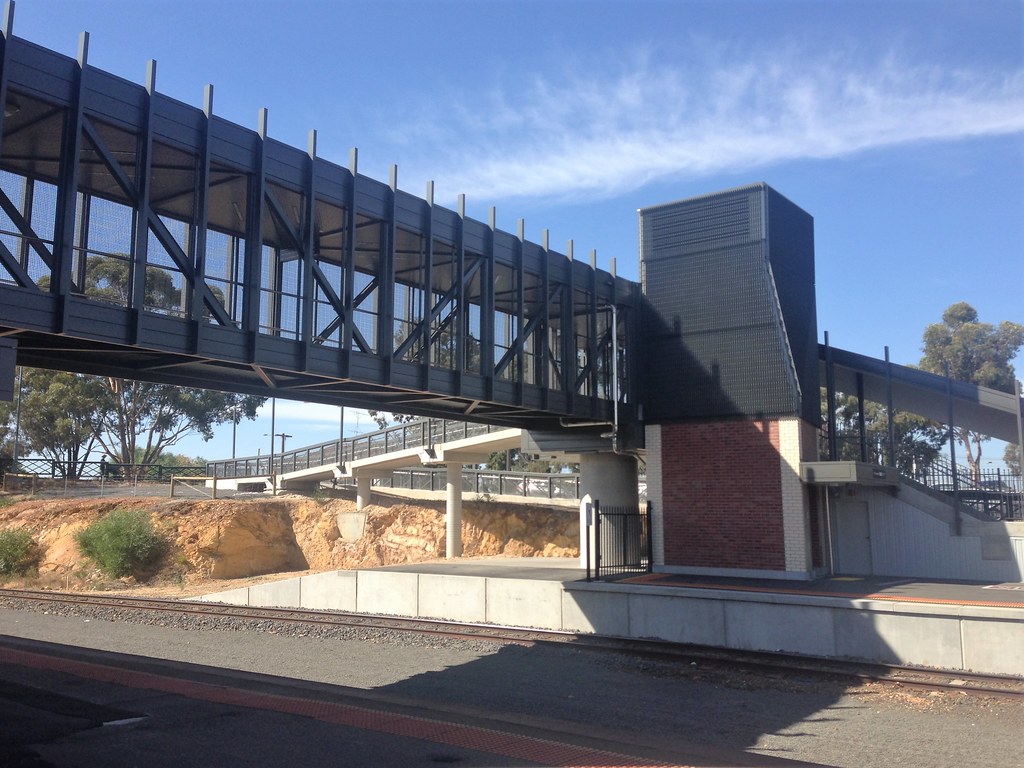
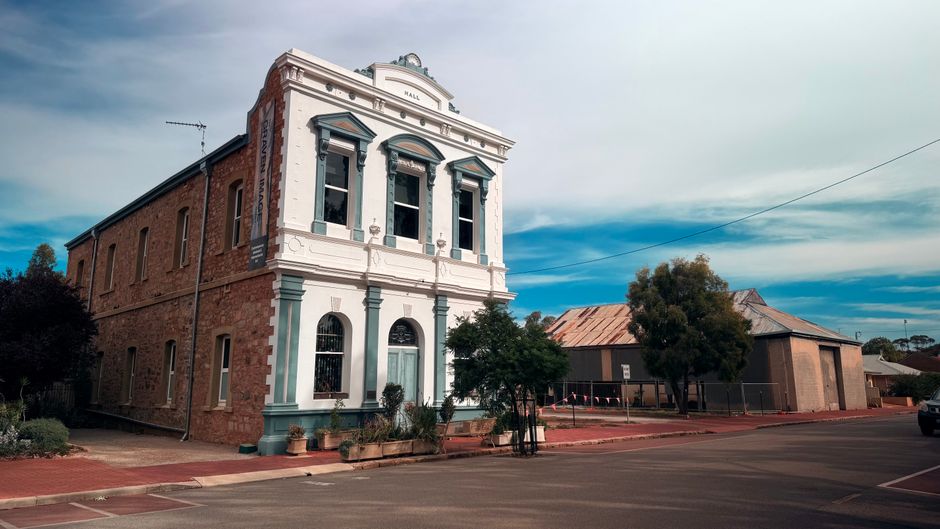
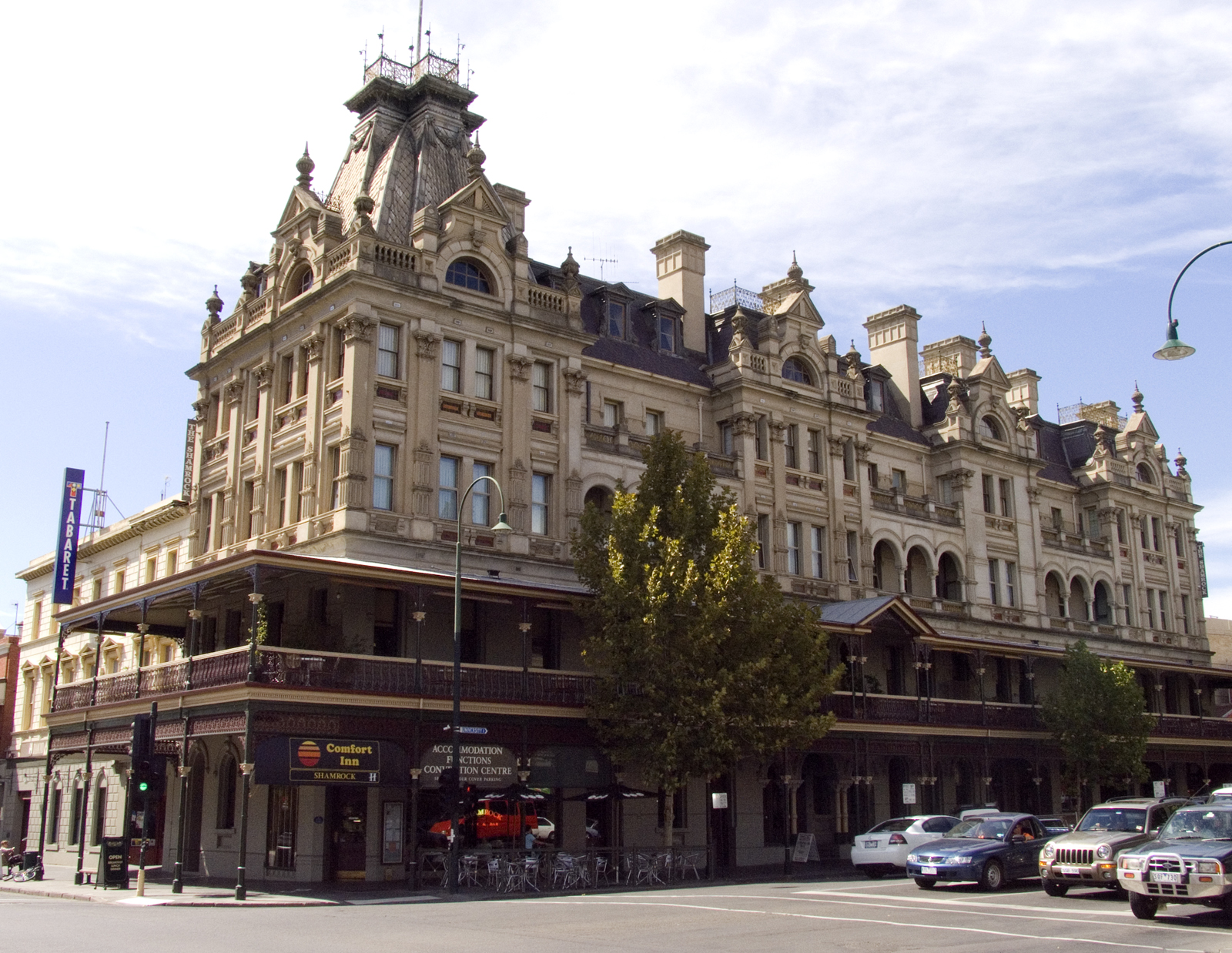
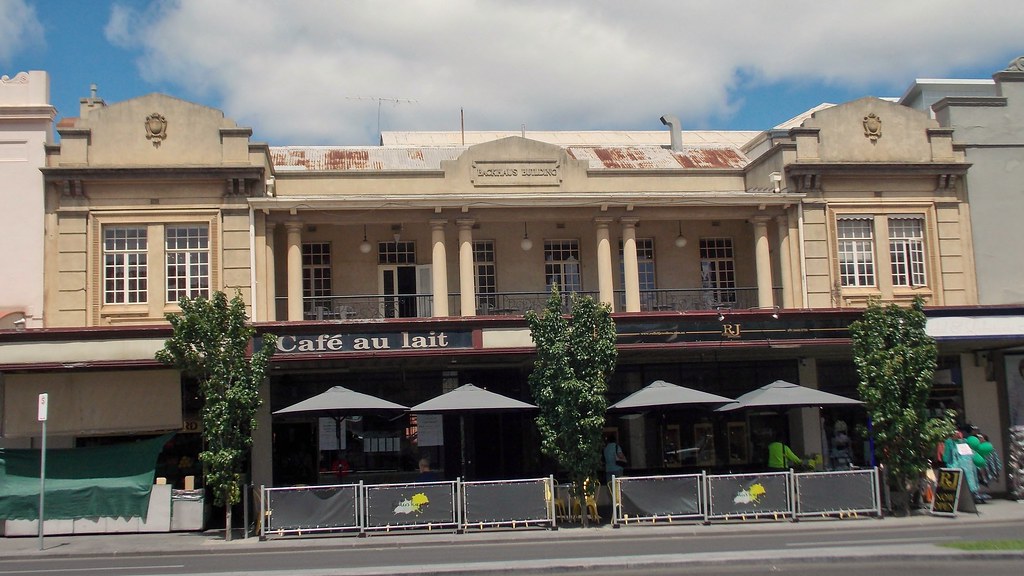
The City of Greater Bendigo's online presence contains thousands of photographs, streetscapes along Pall Mall, event shots from the Bendigo Easter Festival, construction progress images from the Bendigo Health capital works site on Lucan Street. A significant portion of those images, according to internal digital asset management reviews undertaken by Victorian local governments over the past three years, are duplicates: the same photograph uploaded multiple times across different platforms, in different resolutions, under different file names.
That problem didn't happen overnight. It is the cumulative result of more than a decade of decentralised content publishing, during which individual council departments, contracted photographers, tourism bodies, and event organisers all fed images into separate systems with little coordination. The push to finally address it comes as the council prepares to consolidate its digital infrastructure, a process that mirrors similar rationalisation efforts underway at La Trobe University's Bendigo campus on Edwards Road and at regional health bodies managing their own growing libraries of clinical and communications imagery.
A Long Road to the Duplicate Problem
The origins trace back roughly to 2011-2013, when Victorian councils began migrating en masse to content management systems that made it easy, too easy, it turned out, for staff to upload files without checking whether those files already existed in the system. There was no mandatory tagging protocol, no duplicate-detection step in the upload workflow, and no single person whose job it was to maintain the archive. The Bendigo region was not unique in this. A 2024 audit framework published by Local Government Victoria identified duplicate and orphaned digital assets as among the top five data hygiene problems affecting municipal websites statewide.
Overlay that with several major local milestones, the Ulumbarra Theatre opening in 2015, the Bendigo Art Gallery's international exhibition program drawing record visitor numbers in subsequent years, and the multi-stage Bendigo Health redevelopment running through the early 2020s, and the volume of photographic content generated in a short period becomes clearer. Each project had its own communications contractor. Each contractor delivered images in their own folder structure. Council staff absorbed those deliverables into whatever system was in use at the time.
The Bendigo Visitor Centre on Pall Mall, which manages its own tourism image bank separately from the council's corporate library, estimates it holds upward of 14,000 individual image files. Staff there have acknowledged in public council meetings that a meaningful share of those files are redundant versions of the same shots, though a precise duplicate count has not been publicly released.
Why the Fix Is Harder Than It Sounds
Replacing duplicate images is not simply a matter of deleting extras. Each instance of an image may be embedded in a webpage, a printed brochure PDF, a grant submission, or an archived document. Pull the wrong file and you break a live link or corrupt an archived record. That risk has made councils cautious about automated deletion tools, even as those tools have become more sophisticated.
The Victorian Government's Spatial Datamart and digital records frameworks require councils to retain certain categories of images, particularly those related to heritage overlays, planning applications, and Aboriginal cultural heritage assessments, for defined statutory periods. The Dja Dja Wurrung Clans Aboriginal Corporation, which holds native title rights across much of the Bendigo region, has its own protocols around the use and storage of imagery relating to cultural sites. Any deduplication process touching heritage photography must account for those obligations before a file is flagged for removal.
The practical path forward, based on approaches adopted by comparable regional councils including Ballarat and Wodonga in recent years, involves first generating a hash-based audit of the full image library to identify exact and near-duplicate files, then routing flagged items through a human review process before any deletion occurs. Estimated timelines for a library of Bendigo's scale run between six and eighteen months depending on resourcing. The council's digital services team is expected to present a project scope to the infrastructure and technology committee before the end of the third quarter of 2026. Residents and organisations that have supplied images to council campaigns in the past may be contacted to confirm licensing terms as part of that process.
Sources:
Source material used in preparing this article is listed below so readers can check the original record.
About this article●Beta
Published by The Daily Bendigo
Covering news in Bendigo. This article was generated by AI from the linked sources, under human editorial accountability and risk-based review and our reasonable editorial care. Sensitive material is held for human review before publication. See our reasonable editorial care.
Beta: AI-assisted and human-overseen. Details may be imperfect, so please verify anything important.