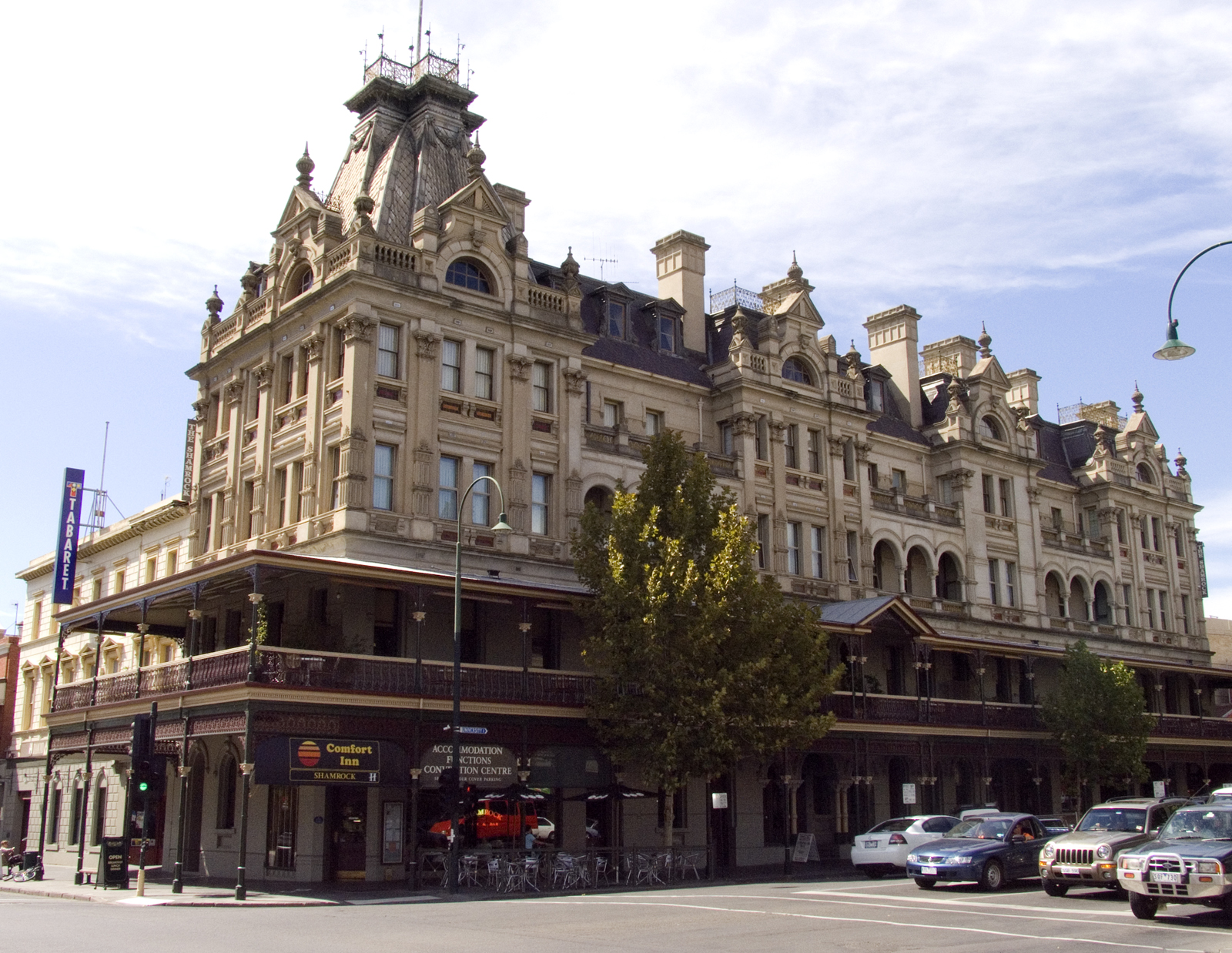
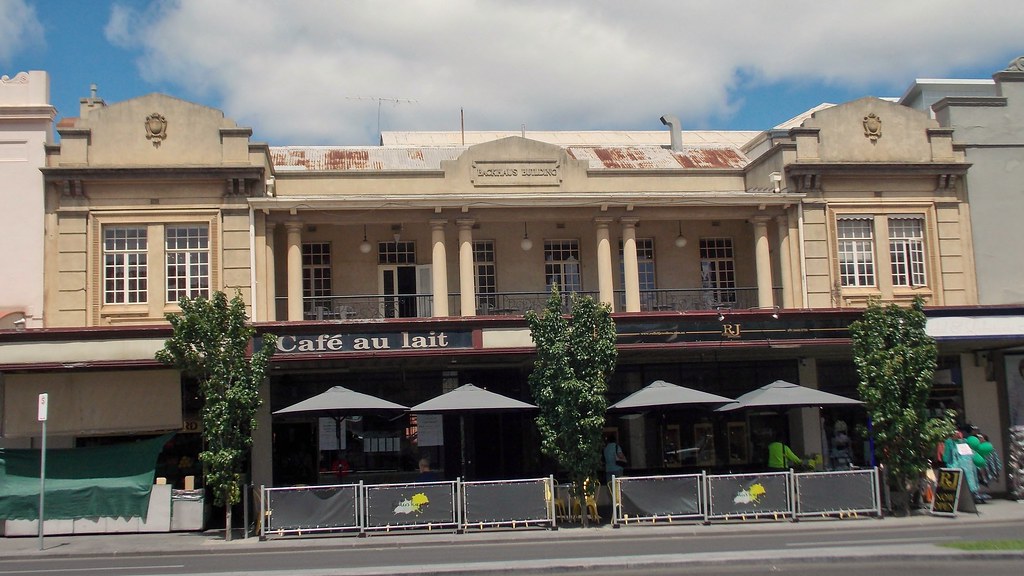
A growing number of local institutions in Bendigo are confronting an awkward but consequential problem: digitised image collections riddled with duplicates, mislabelled files and placeholder replacements that have quietly corrupted the record of the city's built and cultural history. The City of Greater Bendigo, Bendigo Regional Archives Centre on Bull Street, and the Bendigo Art Gallery have each been drawn into discussions about how to fix it, and who pays.
The issue has sharpened over the past six months as organisations migrated legacy photo libraries to cloud-based content management systems. When files are bulk-imported without manual quality checks, duplicate images frequently overwrite originals, or a generic stand-in image, often a grey placeholder tile, replaces a unique photograph that failed to upload correctly. For institutions holding irreplaceable records of Dja Dja Wurrung country, colonial-era streetscapes or public health infrastructure, the stakes are not abstract.
What officials and experts are saying
La Trobe University's Bendigo campus, which houses the Visual Arts and Digital Humanities programs on Flora Hill, has been working with the Bendigo Historical Society since March 2026 to audit roughly 14,000 digitised images held across three separate databases. University staff have identified duplicate replacement as a distinct technical failure mode, different from simple mislabelling, where an automated system inserts a previously uploaded image into a slot meant for a different file. The result looks complete on screen but is factually wrong.
Bendigo Health, which is mid-way through its capital expansion at the Lucan Street campus, has separately flagged the problem in its own administrative image records. Planning documents submitted to the Victorian Department of Health reference photographic evidence of site conditions; if duplicate or replacement images have entered that evidentiary chain, the integrity of heritage impact assessments becomes questionable. Bendigo Health's facilities management team confirmed in May 2026 it was conducting an internal review of digital asset records linked to the expansion project, though that review's findings have not been publicly released.
The Bendigo Art Gallery, on View Street, holds one of regional Victoria's largest permanent collections and has been digitising works since 2019 under a program partly funded through Creative Victoria. Gallery management has acknowledged publicly, through its 2025 annual report, that roughly 340 catalogue entries required correction after a 2024 system migration introduced duplicate image assignments. That figure represents about four percent of the works digitised in that calendar year. The cost of manual remediation was listed in the report at approximately $28,000, funded from the gallery's operational reserves.
The Bendigo Regional Archives Centre has taken a more cautious line. Archivists there have flagged to the Municipal Association of Victoria that sector-wide guidance on duplicate image replacement protocols is either absent or buried in technical documentation that most council staff cannot act on without specialist support. They are pushing for a plain-language standard to be adopted ahead of the next Local Government Act compliance review cycle, expected in the second half of 2026.
What happens next
For members of the public who use digitised collections, whether researching family history at the archives on Bull Street or browsing the gallery's online catalogue, the practical advice from archivists is straightforward: cross-reference any digitised image against a second source before treating it as definitive. Physical registers, microfilm and original print catalogues remain the authoritative record in every case where a digital version's provenance is unclear.
The City of Greater Bendigo is expected to table a digital asset management policy update at a council meeting before the end of the third quarter of 2026. That policy, if adopted, would require all departments to log image replacement events in an auditable change register, a basic safeguard that several archivists have noted should have been standard from the start of large-scale digitisation projects.
Aboriginal cultural heritage advocates connected to the Dja Dja Wurrung Clans Aboriginal Corporation have also entered the conversation, noting that photographic records of sacred sites and ceremonial objects require a higher duty of care than general civic images. Any automated replacement process that touches those files, they argue, needs explicit community consent protocols attached, not just a technical fix applied after the fact.
Sources:
Source material used in preparing this article is listed below so readers can check the original record.
About this article●Beta
Published by The Daily Bendigo
Covering news in Bendigo. This article was generated by AI from the linked sources, under human editorial accountability and risk-based review and our reasonable editorial care. Sensitive material is held for human review before publication. See our reasonable editorial care.
Beta: AI-assisted and human-overseen. Details may be imperfect, so please verify anything important.