Bendigo Tackles Thousands of Duplicate Images in Public Archive
Years of fragmented digital uploads across multiple council and arts programs left the city's visual record cluttered with repeated images, and a cleanup is long overdue.
4 min read
Years of fragmented digital uploads across multiple council and arts programs left the city's visual record cluttered with repeated images, and a cleanup is long overdue.
4 min read
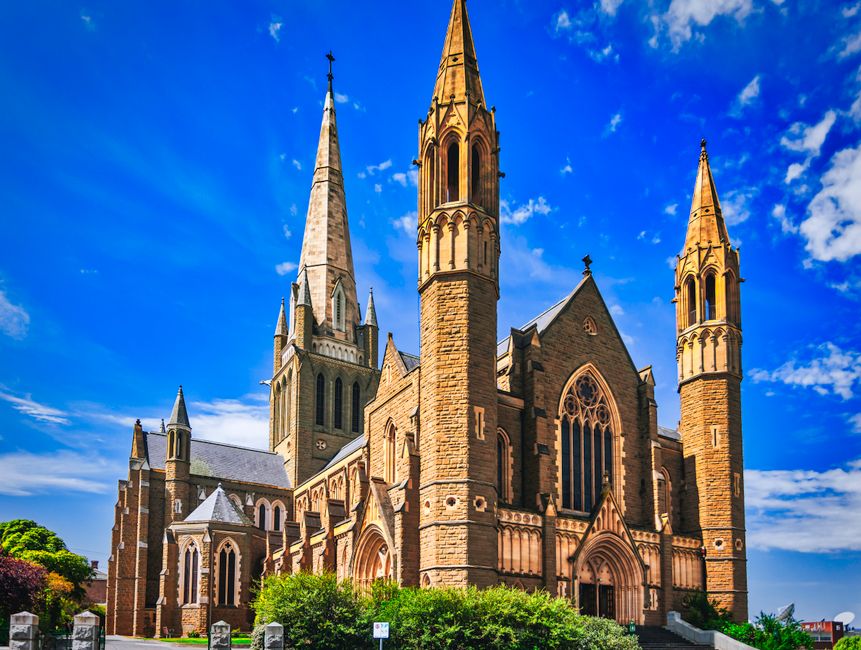
Bendigo City Council's digital image library contains thousands of duplicate photographs, some files appearing four or five times, after more than a decade of uncoordinated uploads from separate departments, contracted photographers, and community grant recipients. The duplication problem, identified formally during an internal audit completed in early 2026, has slowed public communications work and complicated the cataloguing of culturally significant images held on behalf of local Aboriginal communities.
The timing matters. Bendigo Health's capital expansion along Lucan Street is generating a steady stream of construction milestone photography, and the regional campus of La Trobe University on Edwards Road is mid-way through a visual rebranding exercise tied to its 2026 strategic plan. Both institutions are contributing images to shared civic repositories at a rate that, without a replacement and de-duplication protocol in place, risks compounding the existing backlog before the year is out.
The problem has roots in the early 2010s, when the City of Greater Bendigo began digitising its print archive and simultaneously accepting image donations from community organisations. There was no single content management standard. Events like the Bendigo Easter Festival and exhibitions at the Bendigo Art Gallery on View Street were photographed by multiple contractors working under different briefs, and the resulting files, often identically composed shots saved under different filenames, were uploaded to whatever folder was current at the time.
Regional arts funding complicated things further. Programs administered through Creative Victoria and matched by local council grants required recipients to supply photographic evidence of funded activities. Those images landed in council systems alongside commercially licensed shots, with no consistent metadata tagging to distinguish originals from duplicates. By 2024, the library had grown to more than 47,000 image files, according to figures presented to the council's digital governance working group. Rough internal estimates put the proportion of true duplicate or near-duplicate files at somewhere between 18 and 25 per cent of the total collection.
Aboriginal cultural heritage added another layer of complexity. The Dja Dja Wurrung Clans Aboriginal Corporation, whose country covers the Bendigo region, has longstanding agreements with the council about the appropriate use and storage of culturally sensitive photographs. When duplicate files proliferate across multiple folders and backup drives, the risk of an image being accessed or published outside agreed protocols increases. That concern, raised in discussions between the corporation and council officers during 2025, gave the audit additional urgency.
The council's digital services team is now working through a staged replacement process. The first phase, running through the July-to-September quarter of 2026, focuses on automated flagging, software tools that compare image hashes to identify exact copies. The second phase, which council has budgeted approximately $34,000 for, brings in a contracted archivist to assess near-duplicates that automated tools cannot resolve, including images where cropping or colour correction makes two files of the same shot look superficially different.
La Trobe's Bendigo campus library team has offered to collaborate on metadata standards, drawing on protocols already used in its academic image collections. The Bendigo Art Gallery, which manages its own separate archive of more than 18,000 works and associated documentation photographs, is watching the process closely. Gallery management has indicated informally that it may align its own duplicate-review schedule with the council's second-phase timeline to avoid duplication of effort, in more ways than one.
For community organisations that regularly submit images under grant acquittal requirements, including the Bendigo Writers Festival, which runs its annual program out of venues across the CBD each August, the practical upshot is likely to be a new submission portal with mandatory file-naming conventions and resolution minimums. Draft guidelines are expected to go to council for consideration before the end of the third quarter. Community groups are advised to hold off on large bulk submissions to council systems until the new standards are published, and to check with their funding contact about interim requirements.
Spread the word
About this article
Published by The Daily Bendigo
Daily brief
Free, in your inbox before 7am. Weekdays.


