The problem did not arrive overnight. Bendigo's network of cultural institutions, from the Bendigo Art Gallery on View Street to the Bendigo Regional Archives Centre on Mundy Street, spent the better part of a decade uploading photographs, heritage scans and promotional images into at least three separate digital asset management systems, often without any cross-referencing. The result, by mid-2025, was an estimated tens of thousands of duplicate image files sitting across public-facing servers, costing storage money and quietly corrupting search results used by researchers, journalists and the general public.
The timing matters. Victoria's Public Record Office issued updated digital preservation guidelines in late 2023, placing new obligations on regionally funded bodies to audit their holdings and demonstrate unique-file integrity by mid-2026. That deadline is now here, and institutions across central Victoria are scrambling to show compliance before the next funding review cycle opens in August.
How the backlog built up
Three distinct waves of digitisation explain most of the mess. The first came between 2010 and 2014, when state grant money pushed councils to photograph heritage streetscapes and upload them through the then-standard Collections Victoria portal. The second wave hit around 2018, when Bendigo Health's capital expansion project, centred on the new Bendigo Hospital on Lucan Street, generated thousands of construction-progress photographs that were stored locally on hospital servers as well as on the City of Greater Bendigo's own infrastructure. The third and largest wave came during the 2020 and 2021 lockdowns, when La Trobe University's Bendigo campus on Edwards Road accelerated its own digital archiving of regional research photographs, some of which overlapped significantly with material already held by the Bendigo Historical Society on Pall Mall.
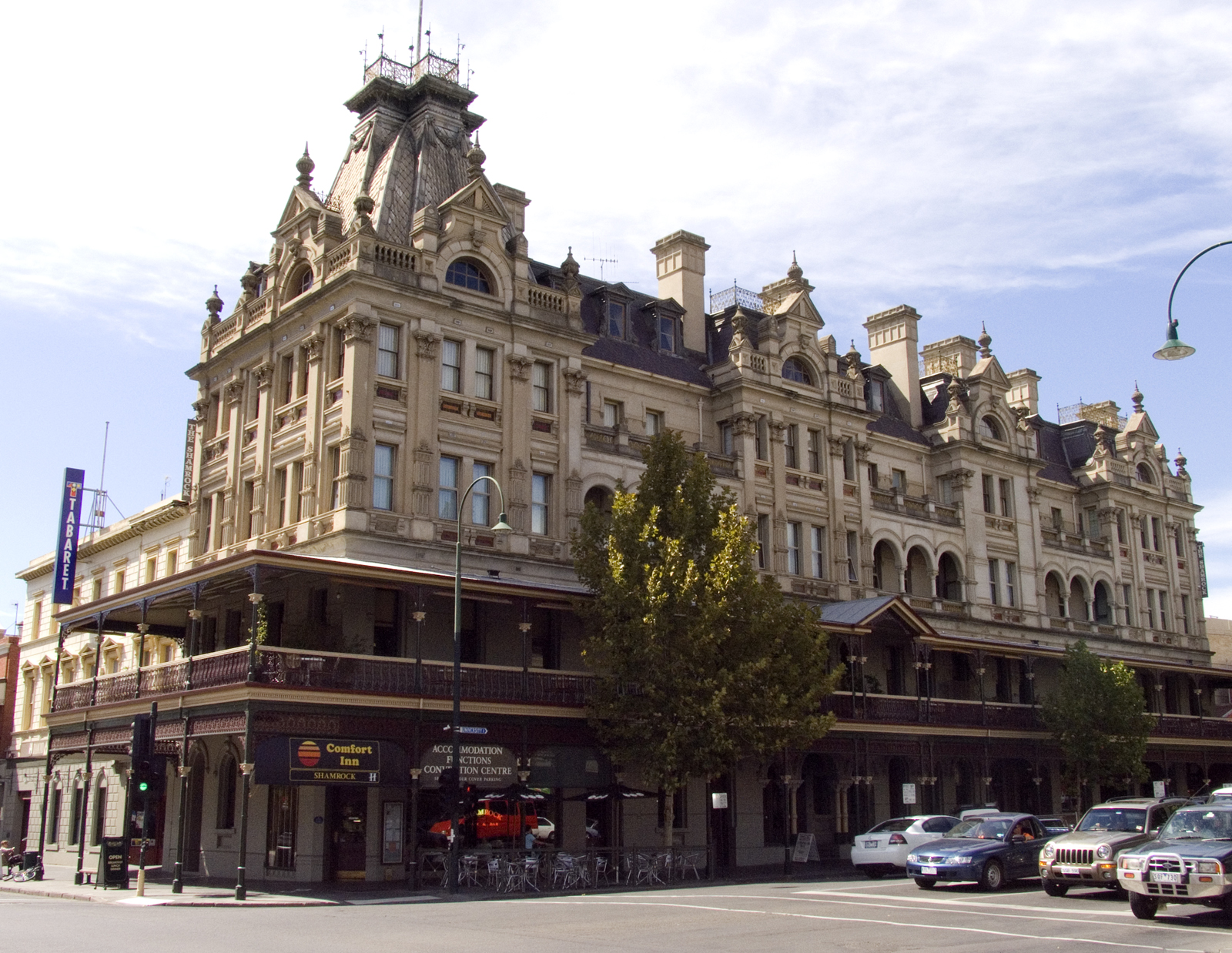
Staff turnover made coordination nearly impossible. Each institution used different file-naming conventions. A photograph of the Shamrock Hotel on Williamson Street, for instance, existed under at least four different filenames across three databases, each tagged with slightly different metadata. Automated deduplication tools, which rely on consistent file naming or embedded checksums, struggled to catch variants that had been cropped, resized or colour-corrected before upload.
Researchers at La Trobe's Bendigo campus flagged the scale of the issue in a 2024 internal review of the university's regional collections unit. That review, which covered material held jointly with community partners, found that roughly 30 per cent of image records in one shared catalogue pointed to files that already existed elsewhere in the same system under a different identifier. The review recommended a phased deduplication program beginning in the first quarter of 2025.
What a fix actually involves
Deduplication at this scale is not a matter of pressing a button. The City of Greater Bendigo's library services team, working out of the Bendigo Library on Hargreaves Street, began a manual audit of its digitised photograph collection in March 2025. The process involves comparing file hashes, unique digital fingerprints, as well as visual spot-checks for near-duplicate images that differ only slightly due to scanning variations. For a collection running to roughly 80,000 images, that work is expected to take until at least October 2026.
The Bendigo Historical Society on Pall Mall adopted a different approach, contracting an external digital asset consultant to run batch-processing software across its holdings during April and May this year. Early results identified more than 4,000 confirmed duplicate pairs, according to information posted on the society's website in June 2026.
Aboriginal cultural heritage images present a particular complication. Some photographs held across these collections depict culturally sensitive material belonging to Dja Dja Wurrung country, and deduplication decisions cannot be made without community consultation. The First Peoples' Assembly of Victoria flagged this concern in its 2025 submission to the state's heritage digitisation review, and institutions in Bendigo have been advised to hold those files in a separate review stream.
For anyone trying to access regional image collections right now, whether for a family history project, an academic paper or a news story, the practical advice is to cross-check any image found through one portal against at least one other source before treating it as the authoritative version. The Bendigo Regional Archives Centre recommends contacting its reading room directly on Mundy Street before relying on online records for any purpose that requires verified provenance. The cleanup is underway, but the finish line is still months away.
Sources:
Source material used in preparing this article is listed below so readers can check the original record.