Bendigo's Cultural Institutions Move to Fix Duplicate Image Problem This Week
A coordinated push by local galleries, the library and La Trobe University is cleaning up years of duplicated digital images across shared heritage collections.
4 min read
A coordinated push by local galleries, the library and La Trobe University is cleaning up years of duplicated digital images across shared heritage collections.
4 min read
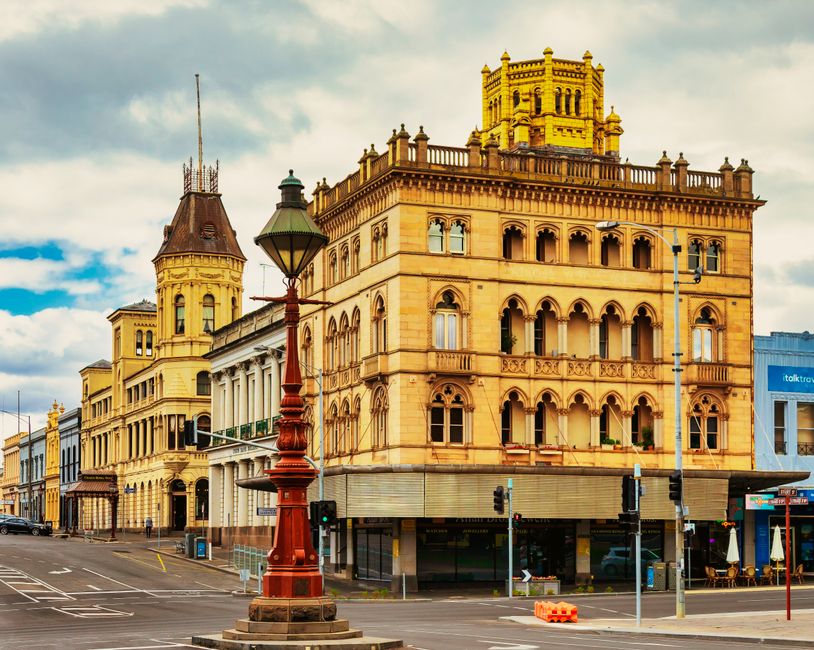
Bendigo's peak cultural organisations have spent this week auditing and removing thousands of duplicate digital images from shared archival databases, a housekeeping effort that curators say is long overdue and directly affects how the public finds and accesses local historical records online.
The push comes as the Bendigo Art Gallery on View Street, the Goldfields Library Corporation and La Trobe University's Bendigo campus library have been working toward a unified digital catalogue for regional heritage assets. Duplicate records — some collections carrying three or four near-identical scans of the same photograph or document — have slowed search results, confused researchers and inflated storage costs on the shared server infrastructure the organisations use jointly.
Library staff at the Goldfields Library on Hargreaves Street confirmed Tuesday that an internal review begun in late June had identified more than 4,200 duplicate image entries across the corporation's digitised local-history holdings. The duplication accumulated over roughly a decade as separate digitisation projects — some funded through state government grants, others through La Trobe's regional research programs — uploaded material without a consistent deduplication protocol in place.
The Bendigo Art Gallery's digital collections team has been running parallel checks on its publicly accessible online catalogue, which holds scans of works, archival photographs and exhibition records dating to the gallery's foundation collection. Staff there have been cross-referencing entries against the Australian Museums and Galleries Association's recommended metadata standards, a framework updated nationally in March 2026 to include stricter guidance on image file management for regional institutions.
La Trobe University's Bendigo campus, which anchors a significant slice of the city's knowledge-economy workforce on Edwards Road, has contributed technical support for the audit. The university's library services team has experience deduplicating research image sets through its involvement in previous Victorian Regional Heritage Digitisation Program rounds, with the most recent funding round allocating resources to participating central Victorian institutions in the 2024–25 financial year.
Duplicate images are more than a filing inconvenience. When a researcher, a student or a Bendigo resident searches an online collection for, say, a photograph of the 1906 Charing Cross streetscape, duplicated entries push the genuine archival record down in results or — worse — present contradictory metadata about the same image. In one documented case within the Goldfields Library review, a single photograph of the Bendigo Easter Fair had been catalogued under five different date entries across as many uploads.
Storage costs are also a factor. Cloud hosting for image archives is typically charged per gigabyte, and institutional budgets for regional organisations are tighter heading into the 2026–27 financial year, with the State Library of Victoria having flagged that regional digitisation support grants will be subject to revised eligibility criteria from January 2027.
The Bendigo Health capital expansion project on Lucan Street has added a secondary dimension to the issue: the hospital's heritage documentation team has been digitising archival building records and photographs as part of its site redevelopment requirements under the Heritage Act 2017. Those records have been partially uploaded to the same shared infrastructure, adding another layer of images requiring deduplication before the broader collection merge proceeds.
Aboriginal cultural heritage records held within the shared system are being handled separately. The Dja Dja Wurrung Clans Aboriginal Corporation, which holds custodial responsibilities for cultural material relating to the Bendigo region, has been consulted about access protocols, and those records are not part of the automated deduplication process — each entry in that subset is being reviewed manually by authorised staff.
Institutions involved say the clean-up phase should be substantially complete by the end of July, with a consolidated public search interface expected to go live for community testing in August. Residents wanting to flag duplicate or mislabelled images in the Goldfields Library's online catalogue can submit corrections through the library's digital feedback form, available at its Hargreaves Street branches.
Spread the word
About this article
Published by The Daily Bendigo
Daily brief
Free, in your inbox before 7am. Weekdays.


