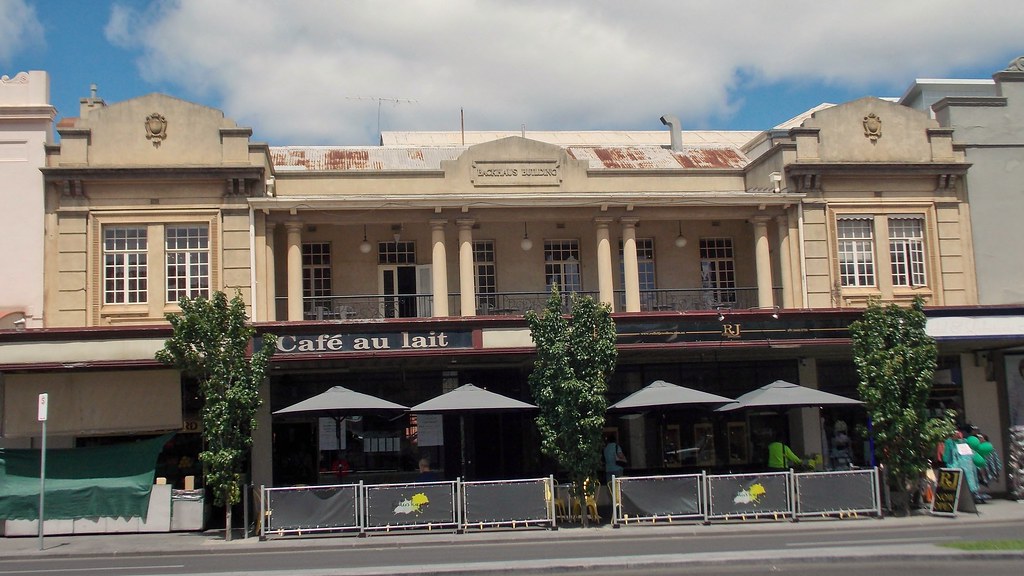
Archivists and heritage professionals working with Bendigo's digitised public image collections have raised growing alarm about the scale of duplicate and mislabelled photographs embedded in databases meant to serve researchers, schools, and the broader community. The problem, described in heritage circles as both a technical and an ethical failure, is now the subject of informal consultation between local institutions ahead of what could become a formal remediation effort before the end of 2026.
The issue matters now partly because of timing. Bendigo Health's capital expansion on Lucan Street has prompted a surge in requests for historical photographs of the hospital precinct, images that researchers and project planners use to inform heritage overlays and planning submissions. Several records held in regional repositories have turned up as duplicates filed under conflicting dates, creating confusion for planning consultants and, in at least one documented case, triggering a heritage citation that referenced the wrong building era entirely.
Local Institutions at the Centre of the Problem
The Bendigo Regional Archives Centre on View Street and the Goldfields Library Corporation, which manages branches across the region including the main Bendigo Library on Hargreaves Street, both maintain digitised photograph collections that overlap in coverage and sometimes in content. Librarians and archivists at both institutions have independently flagged that legacy scanning projects, many completed between 2008 and 2015 under state-funded digitisation grants, did not include systematic deduplication protocols. The result is a patchwork of records where the same glass-plate negative or printed photograph may appear two or three times under different catalogue numbers, different dates, and occasionally different subject descriptions.
La Trobe University's Bendigo campus, which has trained archival and information management students in the region for decades, has a direct stake in how the problem is resolved. Faculty working in the university's humanities and social sciences programs have pointed to the duplicate image issue as a live case study in the consequences of under-resourced digitisation, and at least one postgraduate research project is understood to be examining the Bendigo collections specifically, though that work has not yet been published.
For Dja Dja Wurrung cultural heritage custodians, the stakes are higher still. Photographs held in regional collections sometimes depict Aboriginal people, ceremony, or Country, and mislabelled or duplicated records complicate the already sensitive work of repatriation and cultural authority over those images. The Dja Dja Wurrung Clans Aboriginal Corporation, based in Bendigo, has previously engaged with both the state government and local archival bodies on protocols for culturally sensitive materials, and practitioners in that space have noted that technical database errors are not a neutral problem when the records concern First Nations people.
What a Fix Actually Looks Like, and What It Costs
Remediation of a mid-sized regional image collection is not cheap. Industry benchmarks used in recent Australian archival tender documents suggest that professional deduplication and reclassification of a collection in the range of 50,000 to 100,000 digitised items can run to between $180,000 and $350,000 depending on the complexity of metadata work required. Neither the Goldfields Library Corporation nor Bendigo Health's heritage unit has publicly committed funding to a formal project of that scale.
State government arts and cultural heritage funding rounds, administered through Creative Victoria and the Public Record Office Victoria, represent the most realistic external revenue source for any remediation project. Applications for the 2026-27 Community Heritage Grants round closed in May, meaning institutions that missed that window are likely looking at a 2027 submission at the earliest.
The practical advice from those closest to the collections is blunt: researchers and journalists using digitised regional photograph databases should cross-reference any image against at least two separate catalogue entries before relying on the metadata, and should contact the relevant institution directly if a date or subject description seems inconsistent with other sources. For planning and heritage work specifically, the recommendation is to request a provenance check from the holding institution before citing a photograph in any formal submission. The collections remain valuable, the problem is not the images themselves, but the paperwork around them, and that, at least, is fixable.
Sources:
Source material used in preparing this article is listed below so readers can check the original record.
About this article●Beta
Published by The Daily Bendigo
Covering news in Bendigo. This article was generated by AI from the linked sources, under human editorial accountability and risk-based review and our reasonable editorial care. Sensitive material is held for human review before publication. See our reasonable editorial care.
Beta: AI-assisted and human-overseen. Details may be imperfect, so please verify anything important.