The Hidden Numbers Behind Bendigo's Duplicate Image Problem
Local councils, arts organisations and health services are sitting on thousands of redundant digital files — and the cost of fixing the mess is climbing.
4 min read
Local councils, arts organisations and health services are sitting on thousands of redundant digital files — and the cost of fixing the mess is climbing.
4 min read
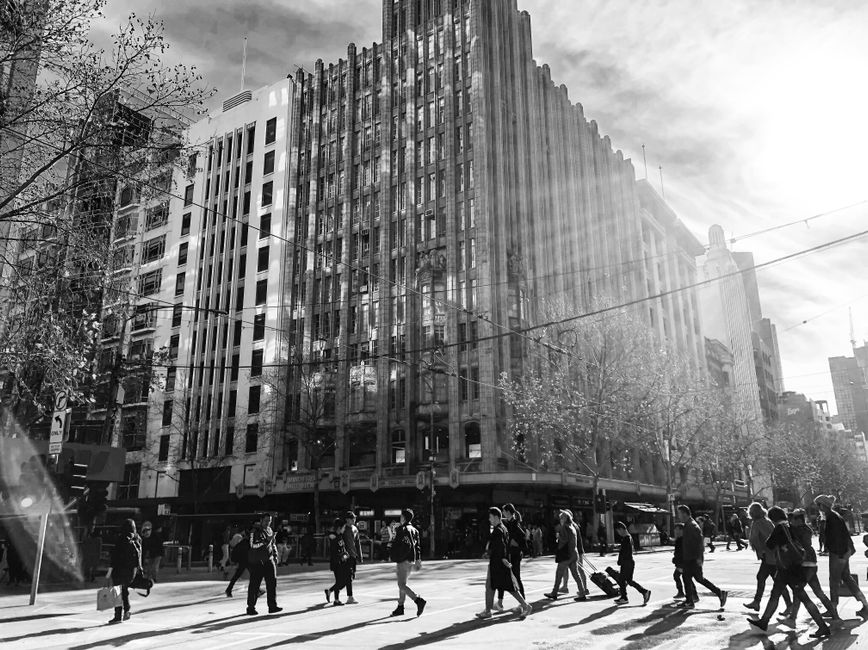
Bendigo's public institutions are carrying a significant and largely invisible data burden: duplicate digital images stored across fragmented systems, costing time, money and storage that regional budgets can ill afford. A growing push across Victorian councils and health networks to audit and replace these redundant files is putting the scale of the problem into sharp relief.
The timing matters. The Albanese government's digital government agenda, combined with the Victorian government's Local Government Act compliance requirements that took effect from July 1, 2026, are prompting councils to tighten their records and asset management practices. For a city like Bendigo — managing heritage registers, health infrastructure photography and Indigenous cultural documentation simultaneously — the administrative drag caused by duplicate image files is more than a housekeeping issue.
Across Australian local government systems, digital asset audits conducted by records management firms in recent years have found that between 30 and 40 per cent of stored image files in council databases are duplicates or near-duplicates — versions of the same photograph saved under different filenames, in different folders, or uploaded multiple times by different staff. For a regional council managing tens of thousands of assets, that translates directly into wasted cloud storage and staff hours spent hunting for the correct, current version of an image.
City of Greater Bendigo, which manages assets stretching from Hargreaves Street in the CBD to the Epsom and Kangaroo Flat precincts, confirmed it undertook a digital asset management review in the 2025-26 financial year as part of its broader technology infrastructure program. The city's annual budget documents, publicly available on its website, show the information and communication technology operational line sitting within a multimillion-dollar corporate services envelope, though the council has not publicly itemised the cost of storage remediation specifically.
Bendigo Health, whose capital expansion on Lucan Street has generated substantial photographic documentation — construction progress shots, planning images, heritage impact assessments — is another institution where duplicate image accumulation poses a real records risk. When multiple contractors, project managers and communications staff each upload site photographs to separate systems without a unified naming convention, the duplication compounds quickly. A single construction project of the scale Bendigo Health has undertaken can generate thousands of images across a 24-month build phase.
The Bendigo Art Gallery on View Street, one of the largest regional galleries in Australia, maintains an extensive digital archive of collection images, exhibition records and loan documentation. Gallery collections staff routinely work with image metadata standards set by the Collections Council of Australia, which specifies that each digital asset should carry a unique identifier to prevent exactly the kind of duplication that plagues less-structured organisations.
La Trobe University's Bendigo campus, anchored on Edwards Road, faces a related challenge in its research data management systems, where academic image datasets — particularly in health sciences and environmental studies — must meet the Australian Research Data Commons' FAIR data principles (Findable, Accessible, Interoperable, Reusable) by the end of 2026. Duplicate images within research datasets undermine reproducibility and can compromise grant acquittals.
The practical cost of duplicate image replacement is not trivial. Commercial digital asset management software licences for a mid-size organisation run from roughly $8,000 to $25,000 annually, depending on user count and storage volume. Staff time to manually review, tag and replace duplicate files in a collection of 50,000 images has been estimated by records management consultants at between 200 and 400 hours — work that either diverts existing employees or requires contractors.
For Bendigo organisations navigating this, the most immediate step is running a hash-based deduplication audit — software that assigns each image a unique fingerprint regardless of filename, flagging identical files instantly. Several free and low-cost tools exist for this purpose, and the Public Record Office Victoria offers guidance documents for councils and statutory bodies on digital records standards. Getting the audit done before further storage migration or system upgrades occur is the critical window — and for most local institutions, that window is now.
Spread the word
About this article
Published by The Daily Bendigo
Daily brief
Free, in your inbox before 7am. Weekdays.


