news
Bendigo Council Decides Two Major Projects Shaping Region's Environmental Future
With funding deadlines looming and two major infrastructure projects awaiting council sign-off, the next six months will determine whether Bendigo's sustainability ambitions hold or stall.
How we reported this
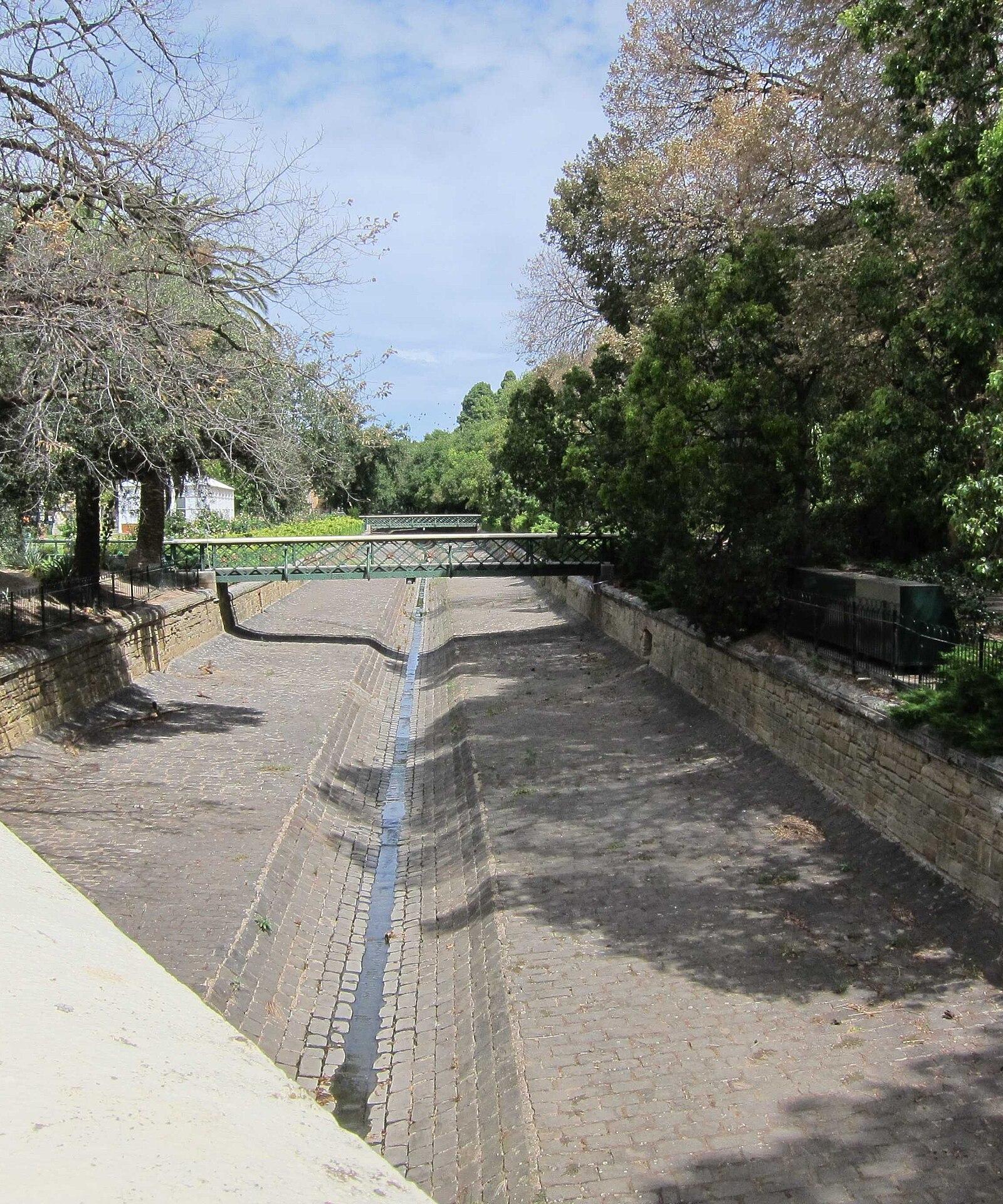
The City of Greater Bendigo faces a compressed window of decisions on climate and sustainability policy, with at least three funding applications due before the end of September and a revised stormwater management plan sitting unsigned on the table since April. How those calls land will set the trajectory of the region's environmental commitments well into the 2030s.
The urgency is real. The State Government's Regional Sustainability Infrastructure Fund closes its second-round applications on September 12, 2026. Councils that miss the round face a minimum two-year wait for the next opportunity. For Bendigo, which has been drawing on ageing water recycling infrastructure at the Eaglehawk Road depot and running a patchwork of creek rehabilitation grants along Bendigo Creek, that gap would be costly.
What's Actually on the Table
Two projects are carrying the most weight right now. The first is a proposed expansion of the Bendigo Sustainability Group's community battery network, which currently supports 47 households across the Strathdale and Kangaroo Flat areas. A $2.3 million proposal, co-funded by Council and the federal Community Batteries for Household Solar program, would add three new battery hubs and extend coverage to parts of Long Gully and Eaglehawk, suburbs where household solar uptake has been above the regional average but grid export constraints have limited its value. Council officers have recommended approval, but the vote has been deferred twice since May.
The second project centres on the Bendigo Creek corridor. Bendigo Landcare has been coordinating revegetation works between the View Street bridge and the Rosalind Park outflow since 2023, pulling in volunteer hours worth roughly $180,000 in in-kind contribution across 14 working bees. That program's current grant from Catchment Management Authority Victoria expires in December. A renewal application is pending, but CMA's North Central region has flagged that 2027 allocations will be tighter, and projects without a confirmed local government co-contribution letter are considered at risk.
La Trobe University's Bendigo campus has also entered the picture. The university is finalising a Living Lab partnership with Council that would embed environmental science students in monitoring roles along the Crusoe Reservoir reserve, a 350-hectare bushland parcel north of Strathdale that doubles as a recreational corridor. The partnership, if signed, would provide baseline biodiversity data the Council currently does not have and cannot easily afford to commission commercially. A draft MOU has been circulating since March.
The Numbers Behind the Pressure
Greater Bendigo's most recent corporate emissions inventory, covering the 2024-25 financial year, recorded 14,200 tonnes of CO₂-equivalent from Council operations, down 8 percent from the 2022-23 baseline, largely because of the LED streetlight rollout completed along McIvor Road and the Midland Highway corridor in late 2024. That progress is genuine but narrows future gains from the same easy-win sources. The next reductions will cost more and require harder choices about fleet electrification, which Council's own transport team has estimated at $4.7 million over five years to convert the heavy vehicle and waste collection fleet.
On water, the North Central Catchment Management Authority's 2025 condition report recorded continued stress in Bendigo Creek's upper reaches, with macroinvertebrate scores below reference condition at 6 of the 9 monitoring sites assessed between January and March this year.
What happens next is largely a scheduling problem masquerading as a policy problem. Council's environment and infrastructure committee meets on July 22 and again on August 19, those two sessions are the practical last chance to lock in the co-contribution letters and project endorsements needed before the September funding deadline. The community battery vote can follow the same agenda. The La Trobe MOU is less time-sensitive but has been waiting long enough that academic planning cycles for 2027 student placements are starting to close off.
Residents who want to track or influence the outcomes can register to speak at the July 22 committee meeting through the City of Greater Bendigo website, where agenda papers typically go live five days prior. Bendigo Landcare is also holding a public information session at the Eaglehawk Library on July 15 to outline the creek grant situation and what a funding gap would mean for the winter planting schedule.