Culture
Bendigo's Next Wave: Young Voices Rewriting the City's Cultural Identity
A new generation of artists and historians are challenging how Bendigo tells its own story-and they're not waiting for permission.
3 min read
Culture
A new generation of artists and historians are challenging how Bendigo tells its own story-and they're not waiting for permission.
3 min read
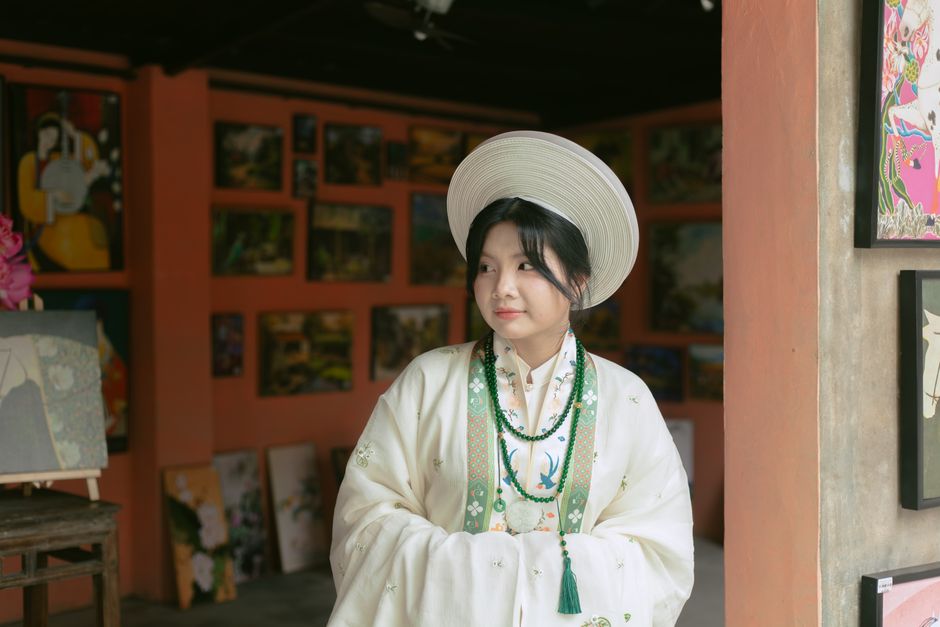
The Bendigo Heritage Collection added 47 new oral history recordings last year. Most were conducted by people under 30.
That statistic matters because it signals a shift happening quietly across Bendigo's cultural institutions. For decades, the city's heritage narrative has been curated by academics, heritage officers, and established cultural gatekeepers-usually people who arrived at the work later in their careers. Now younger creators are muscling into the space, asking different questions about what Bendigo's past actually means, and to whom.
The tension between custodianship and reinvention has always existed in heritage work. But Bendigo is experiencing something sharper: a generational split over who gets to interpret a city's identity. Walk into the Bendigo Art Gallery on View Street and you'll see evidence of this everywhere. The recent "Fresh Perspectives" acquisitions program deliberately funds artists under 35 working in the region. The scheme emerged specifically because gallery leadership recognised the collection was skewing toward established names.
"We were looking at our collection and asking, what are we missing?" explains one local arts administrator. "The answer was: the people making work right now."
This generational shift intersects messily with Bendigo's economic reality. Property prices in the golden triangle neighbourhood-roughly bounded by View Street, Pall Mall, and the Rosalind Street precinct-have climbed sharply. A two-bedroom terrace that sold for $385,000 in 2019 now commands $520,000. That pricing squeezes out the younger cultural workers who might otherwise stake a claim on the city's creative future.
The Bendigo Community Arts Centre on Mundy Street has become an informal hub for this emerging cohort anyway. Unlike commercial gallery spaces, the centre operates on a sliding-scale model. Last year they hosted 23 exhibitions featuring artists with less than five years of professional practice. Some were painters working from suburban studios. Others were multimedia practitioners documenting Bendigo's multicultural communities-stories that rarely made it into official heritage narratives.
The Bendigo Library's Local Studies Collection has similarly pivoted. Head librarian notes they've actively recruited younger people to contribute to their oral history program. The recordings capture perspectives from workers in manufacturing sectors, LGBTQ+ community members, and recent migrants. These are voices largely absent from the gilt-edged heritage books published in the 1980s and 1990s.
The next 18 months will test whether these initiatives stick. The council's Cultural Plan, due for revision in September 2026, will either cement funding for emerging-voice programs or revert to traditional heritage spending. Community organisations are lobbying hard. The Bendigo Youth Arts Network submitted a detailed submission arguing that heritage funding should be tied to representation metrics-essentially, grantmakers need to measure whether young and diverse voices actually get resourced.
For anyone watching Bendigo's cultural scene, the practical question is straightforward: Where do you look to understand what the city actually values? The answer used to be the established institutions. Now it's scattered across community centres, secondhand bookshops, artist-run studios in converted mills along Rosalind Street, and the comments sections of local social media groups. That's messier than the old way. It's also more honest.
Spread the word
About this article
Published by The Daily Bendigo
Daily brief
Free, in your inbox before 7am. Weekdays.


