Culture
From Golden Boom to Creative Hub: How Bendigo's Cultural Identity Has Reinvented Itself
The story of Bendigo's arts scene reveals a city that has transformed its Victorian heritage into a thriving contemporary cultural force.
2 min read
Culture
The story of Bendigo's arts scene reveals a city that has transformed its Victorian heritage into a thriving contemporary cultural force.
2 min read
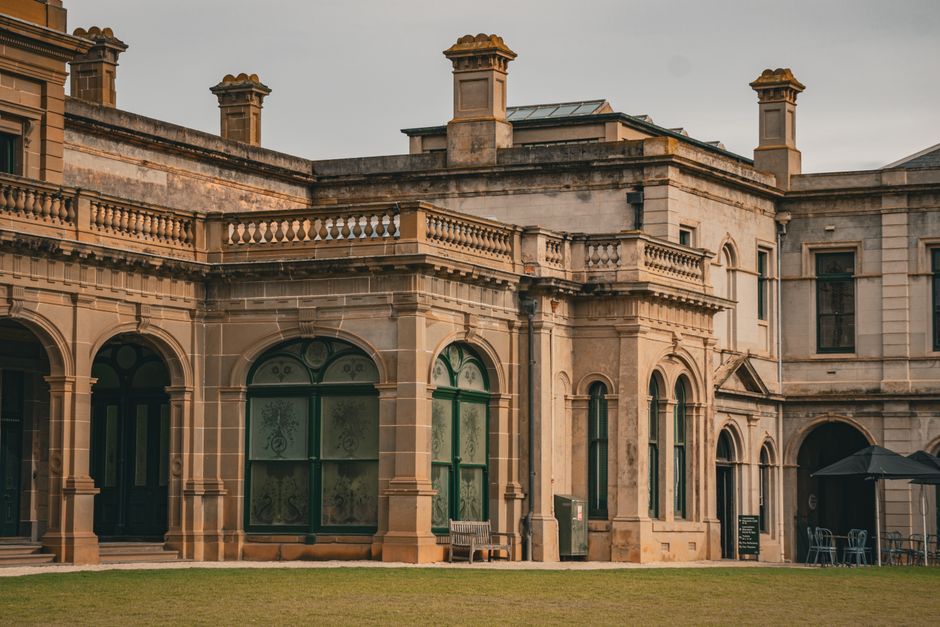
Walk along Pall Mall today and you'll see a neighbourhood fundamentally transformed from its 19th-century incarnation as the epicentre of Australia's gold rush. Yet Bendigo's cultural identity hasn't abandoned its past—rather, it has evolved to weave heritage preservation with contemporary creative expression in ways that have made the city a genuine cultural destination.
The shift began in earnest during the 1980s and 1990s, when heritage conservation became a strategic priority. The restoration of the Bendigo Town Hall, completed in 1996, marked a turning point. This wasn't merely about preserving brickwork; it signalled that the city valued its story. The Hall now hosts 200+ events annually, drawing visitors from across the region and beyond.
What's particularly striking is how Bendigo's creative class has claimed previously underutilised spaces. The Bendigo Art Gallery, already a major drawcard with its significant collection, expanded its reach into the community through its growing education programs. Meanwhile, smaller galleries and artist collectives began establishing themselves in the Chancery Lane precinct during the early 2020s, transforming what had been neglected heritage buildings into vibrant exhibition spaces.
The emergence of independent venues like those clustered around View Street and Hargreaves Street reflected a broader recognition: Bendigo's identity wasn't fixed in the 1880s but remained actively constructed by its residents. Local musicians, visual artists, and performers began building audiences in these neighbourhoods, creating an ecosystem that now supports dozens of cultural enterprises.
Today's Bendigo is statistically significant: the city attracts approximately 1.2 million visitors annually, with cultural activities accounting for roughly 18% of tourism revenue. The Winter Festival draws crowds exceeding 200,000 people across its 10-day run—a phenomenon unimaginable two decades ago.
What's compelling is the intergenerational dialogue this creates. Young artists utilise heritage architecture to express contemporary perspectives, while heritage organisations embrace digital innovation and community co-curation. The city's identity has become genuinely hybrid—neither frozen in nostalgic amber nor divorced from its roots.
This evolution hasn't happened accidentally. It reflects deliberate community choice and institutional commitment to ensuring Bendigo's story remains living, breathing, and relevant. The golden age isn't historical fact—it's continually being written.
This article was compiled by AI from the sources linked above and screened before publishing. See our editorial standards.
 Culture
 Culture
 Culture
Spread the word
About this article
Published by The Daily Bendigo
Daily brief
Free, in your inbox before 7am. Weekdays.