Culture
From Gold Rush Grandeur to Contemporary Canvas: How Bendigo's Arts Scene Evolved
Over 170 years, Bendigo's galleries and museums have transformed from Victorian monuments to today's dynamic cultural destination.
3 min read
Culture
Over 170 years, Bendigo's galleries and museums have transformed from Victorian monuments to today's dynamic cultural destination.
3 min read
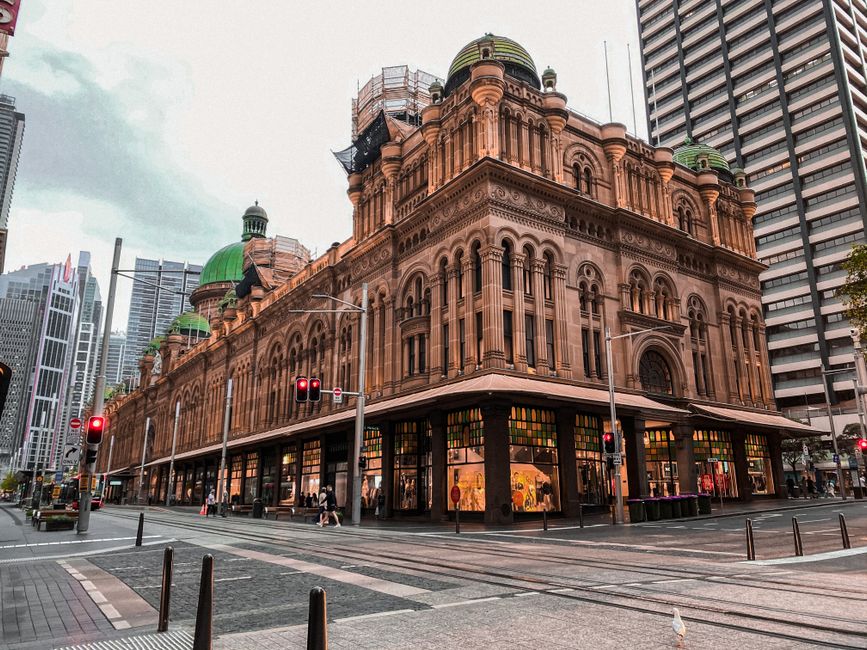
Bendigo's arts and culture landscape tells a story as layered as the goldfields themselves. What began as a rough mining town in the 1850s has crystallised into one of regional Australia's most respected cultural hubs, with institutions that rival major city counterparts.
The Bendigo Art Gallery, opened in 1887, remains the cornerstone. Built during the tail end of the gold rush when the city's wealth seemed bottomless, its neoclassical façade on View Street announced Bendigo's cultural ambitions to the world. Today, the gallery draws over 200,000 visitors annually and maintains a collection of more than 2,000 artworks, including significant contemporary acquisitions that reflect how the institution has evolved beyond its Victorian origins.
But the real transformation accelerated in the 1990s and 2000s. The opening of the Golden Dragon Museum on Bridge Street in 1991 marked a shift toward narrative-driven, community-focused spaces. The museum's focus on Bendigo's Chinese heritage—crucial to the region's gold rush identity—demonstrated how cultural institutions could become vehicles for untold stories.
By the early 2010s, the Bendigo Arts Centre on Pall Mall emerged as a testing ground for experimental and contemporary work. Unlike its grand Victorian predecessor, the Centre embraced flexibility, housing artist studios, performance spaces, and rotating exhibitions that challenged traditional gallery models. Admission typically remains under $15 for most exhibitions, keeping culture accessible.
The scattered-site model has become increasingly popular. Rather than concentrating culture in a single district, venues now pepper the CBD—from independent galleries on View Street to artist-run spaces in converted warehouses around the Pottery precinct. This democratisation reflects broader trends in Australian cultural life: away from top-down curation toward community participation.
Photography and digital media have reshaped what gets shown. Bendigo's galleries now regularly feature contemporary photography, video installation, and digital art—mediums barely considered during the 1980s when the scene was dominated by painting and sculpture.
Perhaps most significantly, institutional attitudes toward regional identity have shifted. Rather than apologising for Bendigo's provincial status, galleries now celebrate it. The city's gold rush heritage, Indigenous history, and contemporary multicultural identity are no longer background; they're central to how institutions frame their purpose.
Walking through today's Bendigo, you sense a cultural maturity earned through generations of investment—both financial and imaginative. From the Gallery's marble halls to the Centre's bare brick studios, Bendigo's arts scene reflects a community that has learned to value culture not as ornament, but as essential infrastructure for collective meaning-making.
This article was compiled by AI from the sources linked above and screened before publishing. See our editorial standards.
 Culture
 Culture
 Culture
Spread the word
About this article
Published by The Daily Bendigo
Daily brief
Free, in your inbox before 7am. Weekdays.