Culture
From Gold Rush Pubs to World-Class Dining: How Bendigo's Restaurant and Bar Scene Evolved
Bendigo's food culture has transformed from colonial drinking dens into a diverse culinary destination that rivals major Australian cities.
2 min read
Culture
Bendigo's food culture has transformed from colonial drinking dens into a diverse culinary destination that rivals major Australian cities.
2 min read
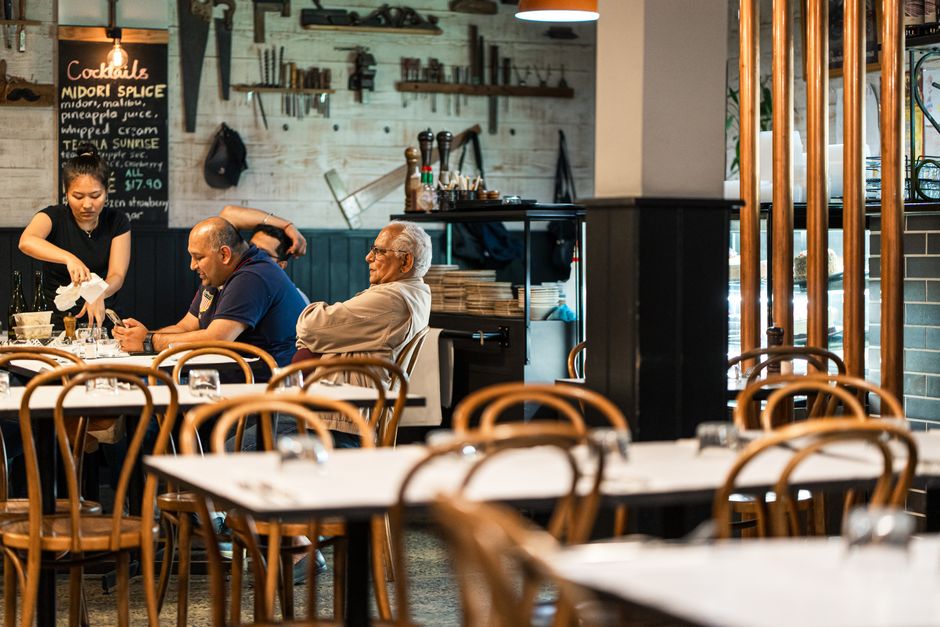
Walk down Pall Mall today and you'll encounter craft cocktail bars, fusion restaurants, and artisanal coffee roasters—a far cry from the drinking establishments that lined these same streets during the 1850s gold rush. Bendigo's restaurant and bar culture tells the story of a city that has fundamentally reimagined itself.
The foundation was laid in the colonial era, when diggers and merchants crowded into pubs along View Street and Hargreaves Street, seeking respite and whisky. These establishments were purely functional—sustenance and alcohol, little else. By the early 1900s, as the gold rush faded and Bendigo consolidated its wealth, the dining scene began to mature. Family-run hotels introduced proper dining rooms, and by the 1960s, Italian and Greek migrants had opened modest cafés that introduced the city to Mediterranean cuisine.
The real transformation came in the 1990s and 2000s. A renaissance began when young chefs and entrepreneurs recognised Bendigo's potential as a cultural hub. Venues like those clustering around the Rosalind Park precinct started experimenting with modern Australian cuisine. The opening of the Bendigo Food and Wine Festival in 1989—now attracting over 60,000 visitors annually—legitimised the city's culinary ambitions and created a platform for local hospitality professionals.
Today, the landscape is unrecognisable. High Street now hosts establishments offering everything from Vietnamese pho to Middle Eastern mezze, with mains typically ranging from $18 to $32. The Bendigo Brewing Company, established in 2009, helped spark a craft beverage revolution that complemented the dining evolution. Laneway culture has emerged, too; hidden bars tucked beneath heritage buildings along Mundy Street and View Street have become destinations in their own right.
What's particularly striking is the investment in provenance. Local producers—craft breweries, artisanal bakeries, specialty cheese makers—now supply restaurants directly, creating a closed loop that strengthens the entire ecosystem. The Bendigo Farmers Market, operating since the early 2000s, has become essential infrastructure for this network.
Perhaps most tellingly, Bendigo now attracts culinary tourism. Visitors travel specifically for the dining experience, viewing restaurants not as mere necessity but as cultural institutions. The city that once served whisky to desperate diggers has become a place where food and drink are celebrated as art forms.
From gold rush necessity to contemporary sophistication: Bendigo's food scene reflects a city's journey towards cultural maturity.
This article was compiled by AI from the sources linked above and screened before publishing. See our editorial standards.
 Culture
 Culture
 Culture
Spread the word
About this article
Published by The Daily Bendigo
Daily brief
Free, in your inbox before 7am. Weekdays.