Culture
Fork and Canvas: How Bendigo's Restaurant Scene is Redefining the City's Creative Soul
From laneway bars to farm-to-table institutions, the city's food culture has become the beating heart of its artistic renaissance.
3 min read
Culture
From laneway bars to farm-to-table institutions, the city's food culture has become the beating heart of its artistic renaissance.
3 min read
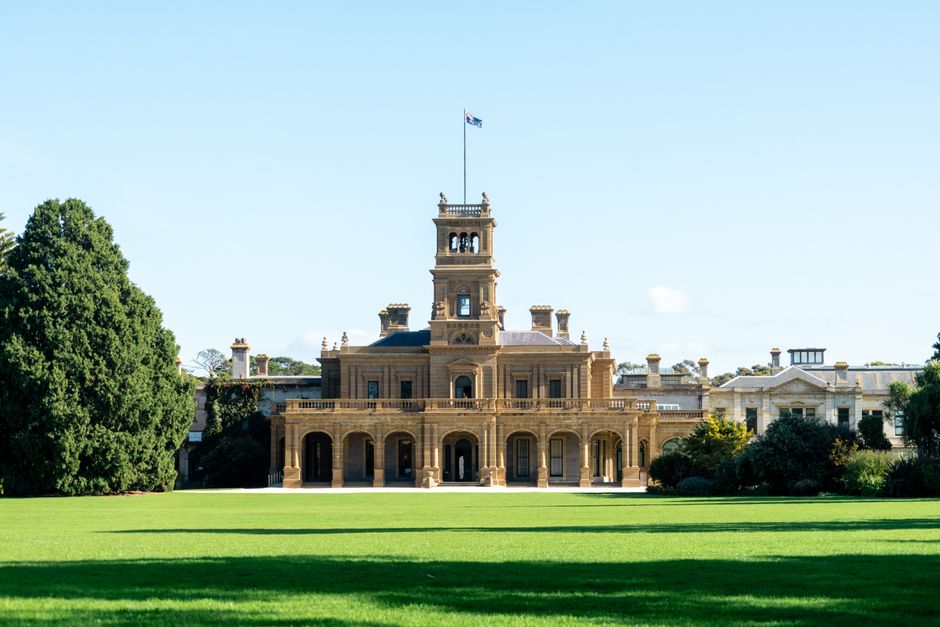
Walk down Pall Mall on any Friday evening and you'll witness something remarkable: Bendigo's transformation from regional hub to creative powerhouse, one plate at a time. The restaurant and bar culture that's flourished here over the past five years isn't simply feeding people—it's fundamentally reshaping how the city sees itself.
The shift is visible in numbers and in atmosphere. Independent venues now outnumber chains across the CBD, with over 40 restaurants and bars concentrated within the golden triangle of Pall Mall, High Street, and Mitchell Street. Average spend per diner has climbed steadily, with the demographic skewing younger and more discerning. But statistics don't capture the real story: Bendigo's food scene has become a canvas for local artists, musicians, and makers to express themselves.
Consider the laneway bar phenomenon. Hidden speakeasies tucked behind heritage facades on View Street have attracted a creative clientele that's turned pre-dinner drinks into cultural events. Pop-up supper clubs hosted in converted warehouses near the historic Bendigo Pottery precincts routinely sell out, drawing food enthusiasts from across regional Victoria. These aren't just dining experiences; they're installations that blur the boundary between gastronomy and performance art.
The farm-to-table movement has particular resonance here. Establishments sourcing from the surrounding Bendigo agricultural region—from Central Deborah goldmine precinct suppliers to Strathfieldsaye producers—have created a transparent food system that celebrates local provenance. This alignment between restaurant identity and regional heritage has sparked broader cultural conversations about sustainability and community investment.
More profoundly, these venues have become de facto cultural institutions. Exhibition spaces host works by emerging artists; local musicians perform weekend sets; spoken word nights draw writers and poets. The Bendigo Creative Alliance recently noted that 60 percent of its member artists consider restaurant and bar spaces as essential venues for their practice—a statistic that would have been unimaginable a decade ago.
The economics matter too. Restaurant growth has catalysed property regeneration along previously quiet stretches of High Street, attracting boutiques, galleries, and independent retailers. Young professionals increasingly cite the dining culture as a reason for relocating to Bendigo, reversing the traditional brain drain to Melbourne.
What's emerging is a distinctive Bendigo identity: creative, confident, and rooted in place. The city's restaurant scene isn't mimicking Melbourne or Sydney; it's authentically synthesizing local heritage, agricultural identity, and artistic ambition into something genuinely original. In Bendigo's bars and restaurants, culture isn't something you visit—it's something you consume, quite literally, every night.
This article was compiled by AI from the sources linked above and screened before publishing. See our editorial standards.
 Culture
 Culture
 Culture
Spread the word
About this article
Published by The Daily Bendigo
Daily brief
Free, in your inbox before 7am. Weekdays.