Business
Retail Faces Steep Challenges in Bendigo Amid Rising Costs and Changing Shopper Habits
Though new stores continue to open in Bendigo, rising expenses and reduced foot traffic pose significant hurdles for local retailers in 2026.
3 min read
Business
Though new stores continue to open in Bendigo, rising expenses and reduced foot traffic pose significant hurdles for local retailers in 2026.
3 min read
Bendigo's retail sector is grappling with a series of challenges this year despite recent store openings. Rising operational costs, supply chain disruptions, and shifting consumer behaviors are testing the resilience of both established businesses and newcomers, painting a complex picture for the city's commercial future.
The timing amplifies the urgency. As inflation affects everyday expenses and interest rates inch higher, discretionary spending in regions like Bendigo has come under pressure. Additionally, increased online shopping continues to redirect potential foot traffic away from brick-and-mortar stores in the city centre and key shopping precincts.
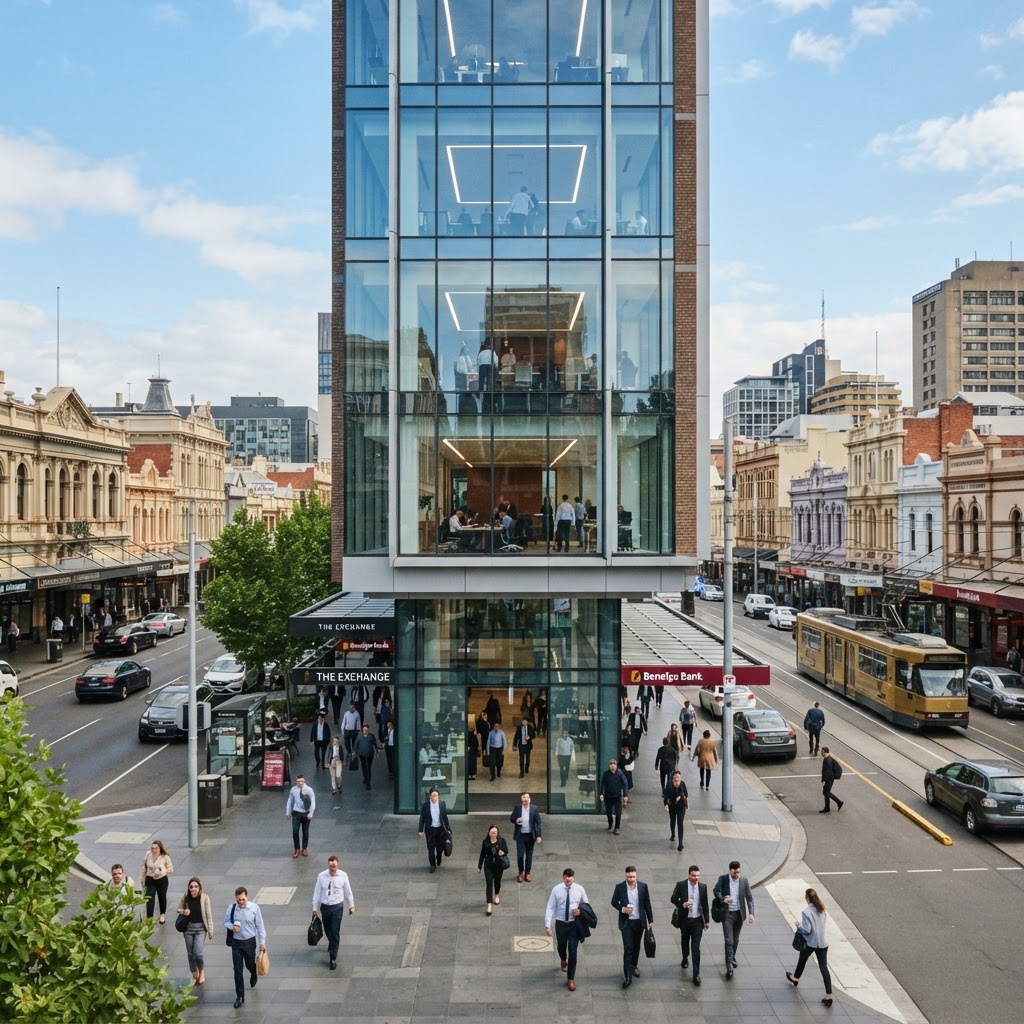
Major shopping areas such as the Bendigo Central Mall and Hargreaves Street have witnessed mixed retail experiences in recent months. Newcomers like The Green Pantry, which opened in May at 54 Hargreaves Street, offer specialty organic groceries aiming to attract health-conscious consumers. Meanwhile, longstanding tenants at the Bendigo Central Mall report tighter margins due to rising rental costs, which have climbed approximately 7% over the past 12 months, according to figures from the Bendigo Region Chamber of Commerce.
Moreover, external factors such as intermittent supply delays are still felt-local boutique clothing stores have noted delivery lead times stretching from four to six weeks in some cases. The Bendigo Economic Development Office recently highlighted that roughly 38% of retailers surveyed plan to reduce their stock holdings this quarter to mitigate cash flow risks, potentially impacting inventory variety.
Recent data from the Victorian Retailers Association reveals a 5.2% decline in year-on-year retail sales revenue for Bendigo from January through June 2026. This decrease contrasts with overall population growth in the region, which remains steady at about 1.4% annually, underscoring shifts in consumer spending patterns rather than demographic contraction. A particular strain is evident among smaller independent retailers, who lack the scale to absorb rising wholesale costs and wages, which have lifted by around 4% since last year.
Visitor counts in prominent retail hubs such as the Bendigo Market Square have also fallen by 8% compared to mid-2025, suggesting less casual browsing and impulse buying-a vital revenue stream traditionally supporting local businesses. Economic observers point to increased digital shopping alternatives and cautious consumer sentiment as contributing factors.
Forward-looking measures include collaborative efforts like the Bendigo Retail Revitalisation Program, launched earlier this year, which aims to support local merchants with marketing initiatives and cost-sharing for technology upgrades to facilitate e-commerce adoption. However, uptake so far remains gradual, reflecting resource constraints.
For Bendigo's residents and shoppers, the evolving retail environment means paying closer attention to shop hours, seasonal specials, and supporting local enterprise wherever possible. For businesses, diversification, enhancing online presence, and community engagement are key strategies to navigate ongoing turbulence.
As 2026 progresses, Bendigo's retail sector will need to balance traditional practices with innovation to overcome these headwinds. Stakeholders agree that adaptability will determine which retailers thrive and which may face closures in the near term.
Business
Business
Business

Business
Business
Business
About this articleBeta
Published by The Daily Bendigo
Spread the word
Daily brief
Free, in your inbox before 7am. Weekdays.
The Daily Network — local news across Australia