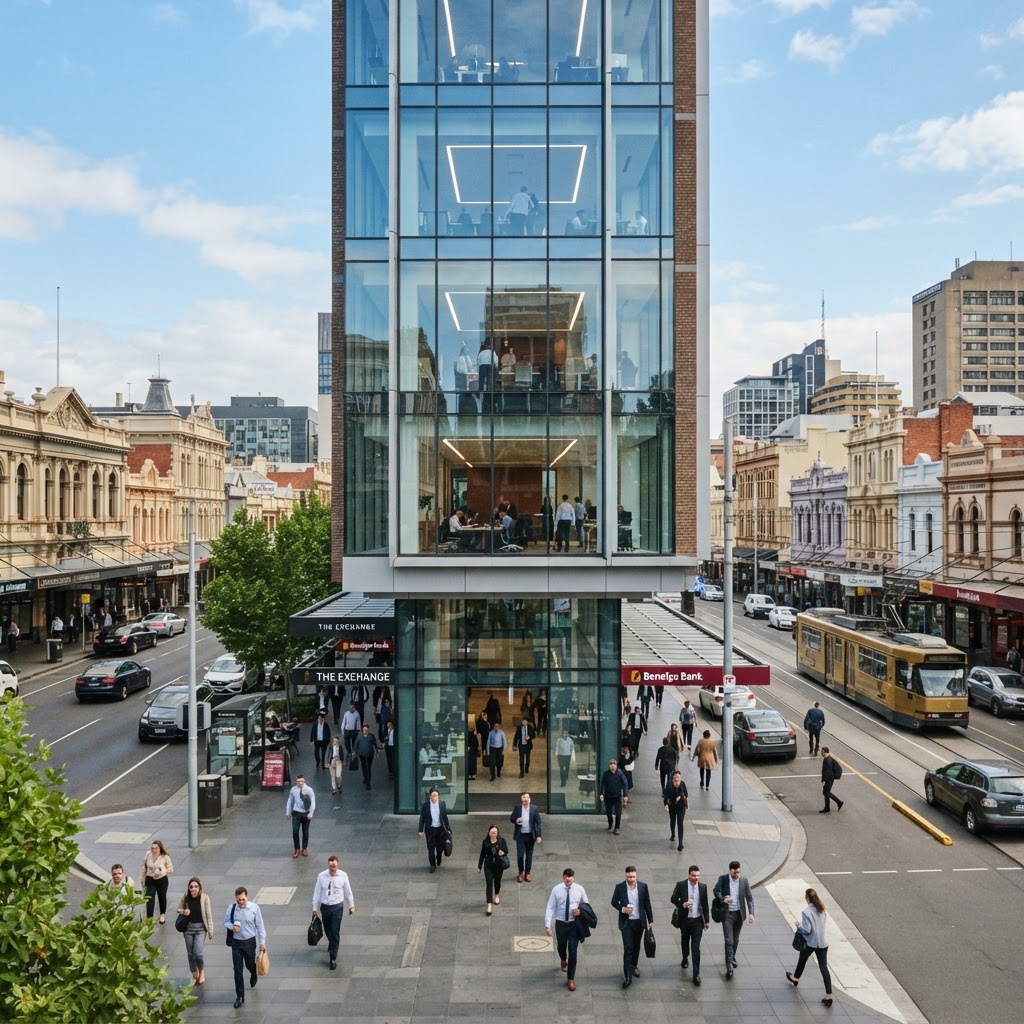
Bendigo residents are seeing their cost of living inch upward as inflation impacts everyday expenses, from groceries to transport. Consumers and households must understand these changes to manage budgets effectively in the months ahead.
The rise in prices comes amid broader economic pressures, including disruptions to supply chains and increased operational costs for retailers. National inflation figures released on July 10 showed the Consumer Price Index (CPI) rose by 4.2% over the past year, the highest rate since 2024, directly affecting Bendigo's residents.
Local Impact on Shopping and Services
Locally, the Central Deborah Gold Mine precinct on Violet Street has reported increasing maintenance expenses, leading to a modest hike in tour prices from $25 to $28 as of July 1. Meanwhile, the Bendigo Farmers Market on Pall Mall has seen the cost of staple fresh produce like bananas and tomatoes rise by around 8% compared to last winter, according to market vendors. This has pushed shoppers to reconsider their purchasing habits, with many opting for seasonal local products to save money.
Transport costs are also shifting, with the Bendigo Bus Company implementing a fare increase of 10 cents per trip starting July 5, now making a single adult fare $4.20. These incremental rises reflect efforts to cover rising fuel and maintenance costs but add up for daily commuters, particularly those traveling to the La Trobe University Bendigo campus.
Data Highlights and What It Means For Households
A recent survey conducted by the Bendigo Bank revealed that 63% of local customers are tightening budgets, reporting concerns over utility bill spikes, which rose an average of 7% this quarter. The data also showed a 15% increase in inquiries related to financial counselling services based in the Loddon Mallee region in the past six months.
Shoppers at the Bendigo Marketplace on McCrae Street have noticed the price shifts too. A standard basket of essentials that cost $80 six months ago now totals approximately $86, reflecting inflationary pressures. Renters in residential areas such as Golden Square and White Hills have encountered modest rent increases averaging 3.5% this fiscal year, putting pressure on household finances in a city where average median rent stands at $440 per week.
For local businesses, the challenge is balancing rising costs while keeping goods affordable for consumers. Bendigo Enterprises, a business advocacy group based in View Street, is coordinating workshops for retailers on how to adapt pricing strategies without alienating customers.
With the gradual economic shifts expected to persist, Bendigo residents are advised to monitor household expenses closely, seek out local produce and services to capitalize on community offerings, and utilize support programs such as those provided by the Bendigo Community Health Services on Hargreaves Street. Budgeting smartly and staying informed about ongoing local economic trends will be essential for navigating the months ahead.
About this article●Beta
Published by The Daily Bendigo
Covering business in Bendigo. This article was generated by AI, under human editorial accountability and risk-based review and our reasonable editorial care. Sensitive material is held for human review before publication. See our reasonable editorial care.
Beta: AI-assisted and human-overseen. Details may be imperfect, so please verify anything important.