Business
Global Market Shifts Shape Bendigo Business Landscape in Mid-2026
Local enterprises in Bendigo are navigating new challenges and opportunities amid changing global economic conditions.
2 min read
Business
Local enterprises in Bendigo are navigating new challenges and opportunities amid changing global economic conditions.
2 min read
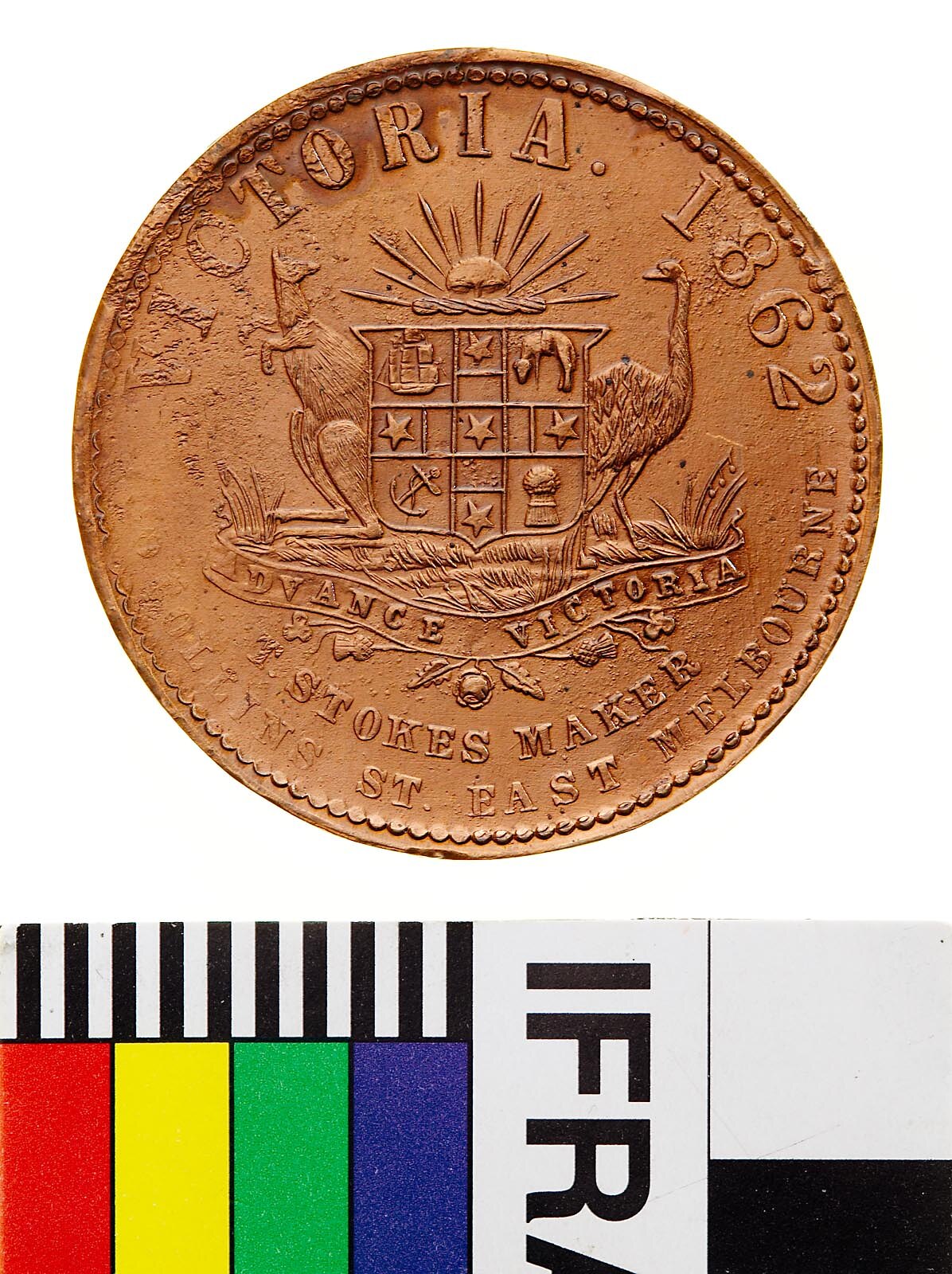
Bendigo's business community is feeling the ripple effects of recent global market fluctuations, with supply chain disruptions and currency shifts directly influencing operations across the city’s manufacturing and retail sectors.
These changes coincide with heightened international tensions and commodity price volatility seen since early 2026, factors that have reshaped global trade routes and cost structures. They pose immediate challenges for local firms relying on imported materials and goods, while also opening some doors for exporters in the region.
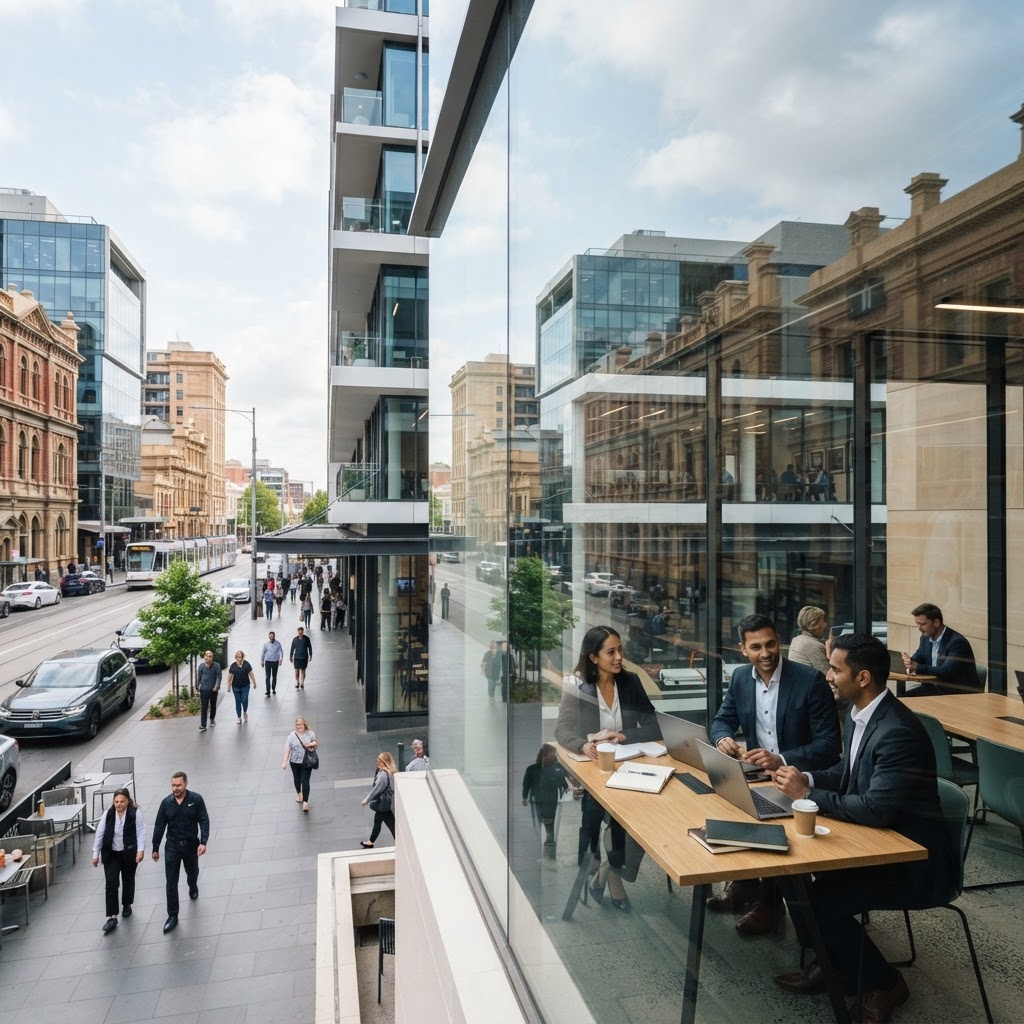
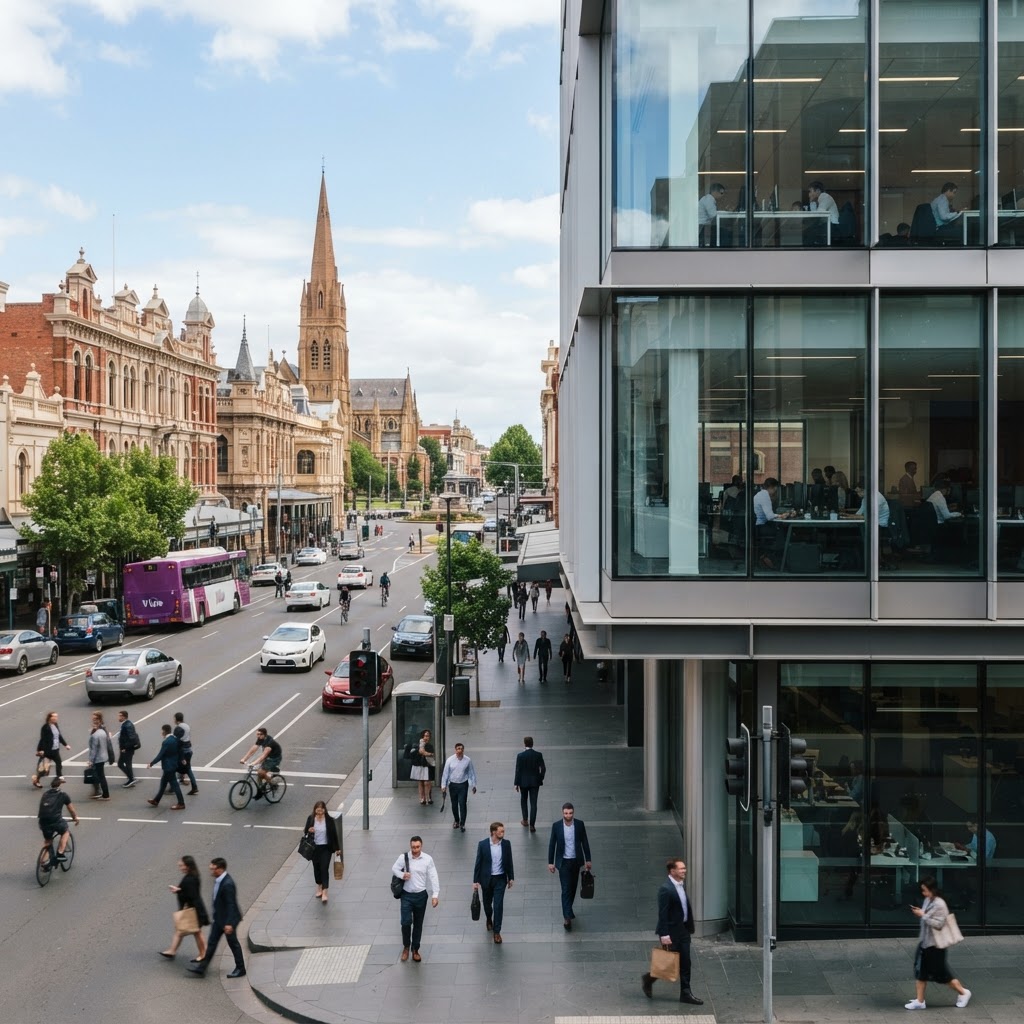
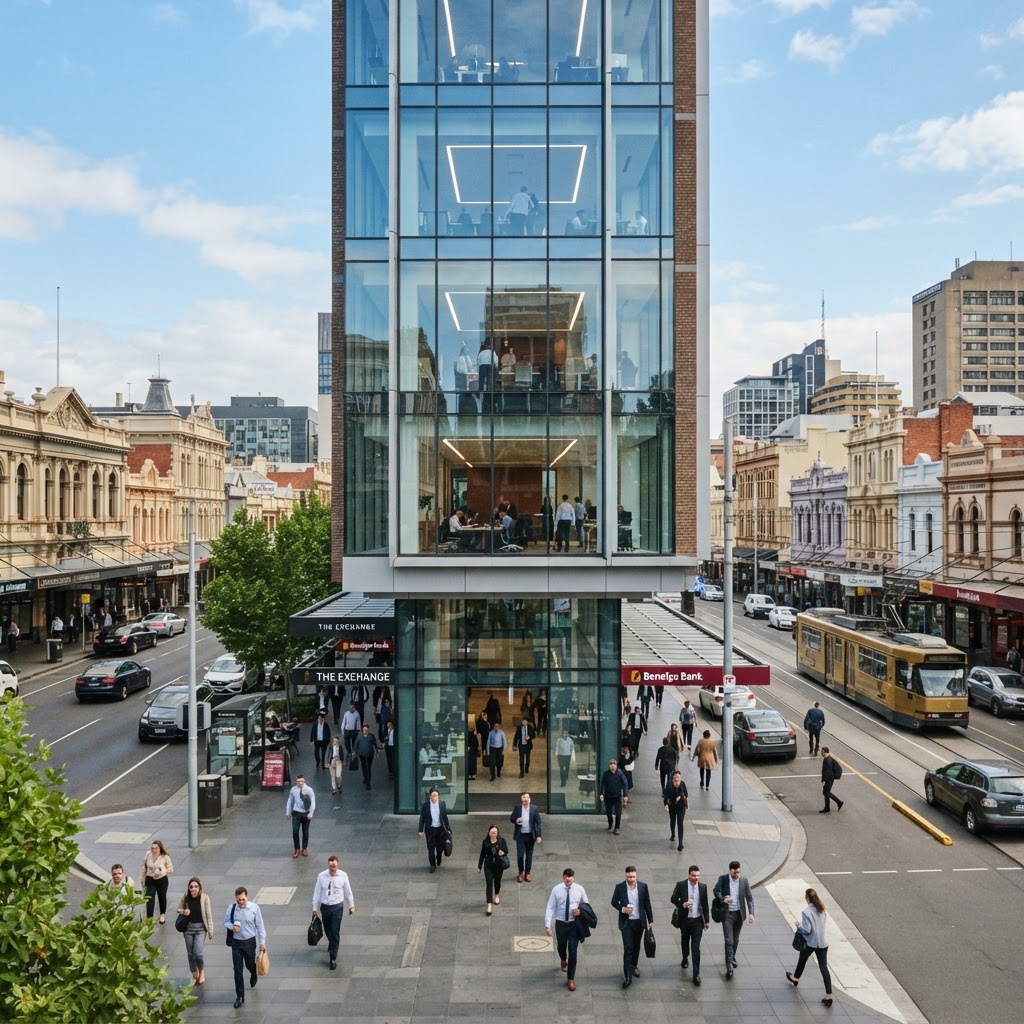
The Northern Bendigo Industrial Precinct has reported increased lead times for imported electronics components, affecting production at key manufacturers such as Bendigo Circuit Technologies on Shamrock Street. Meanwhile, retailers in the Bendigo Central Business District, including major outlets along Pall Mall, are bracing for price adjustments driven by increased freight costs and fluctuating Australian dollar values.
Programs like the Bendigo Regional Innovation Program have stepped up support, helping small and medium enterprises diversify their supply chains and explore local sourcing alternatives. The City Council has also launched informational workshops through its Business Development Unit this month to guide businesses on adapting to shifting market pressures.
According to a recent survey by the Bendigo Chamber of Commerce, 62% of local businesses experienced at least a 15% increase in input costs between March and June 2026. Import tariffs on electronic components rose by 5% in May, adding further cost pressures. Currency market data shows the Australian dollar fluctuated between USD 0.62 and 0.68 during this period, complicating import and export pricing strategies.
These factors collectively contributed to a 4% contraction in local manufacturing output in Q2 2026, according to state government economic briefs.
Looking ahead, Bendigo businesses should monitor international trade developments closely and consider financial hedging options or inventory buffers. Continued engagement with local business councils and innovation programs may also offer critical resources to mitigate risks and capitalize on emerging global market opportunities.
Business
Business
Business

Business
Business
Business
About this articleBeta
Published by The Daily Bendigo
Spread the word
Daily brief
Free, in your inbox before 7am. Weekdays.
The Daily Network — local news across Australia