Business
Global shifts reshape Bendigo’s new business landscape
Supply chain disruptions and rising costs internationally are redefining opportunities-and challenges-for Bendigo entrepreneurs.
3 min read
Business
Supply chain disruptions and rising costs internationally are redefining opportunities-and challenges-for Bendigo entrepreneurs.
3 min read

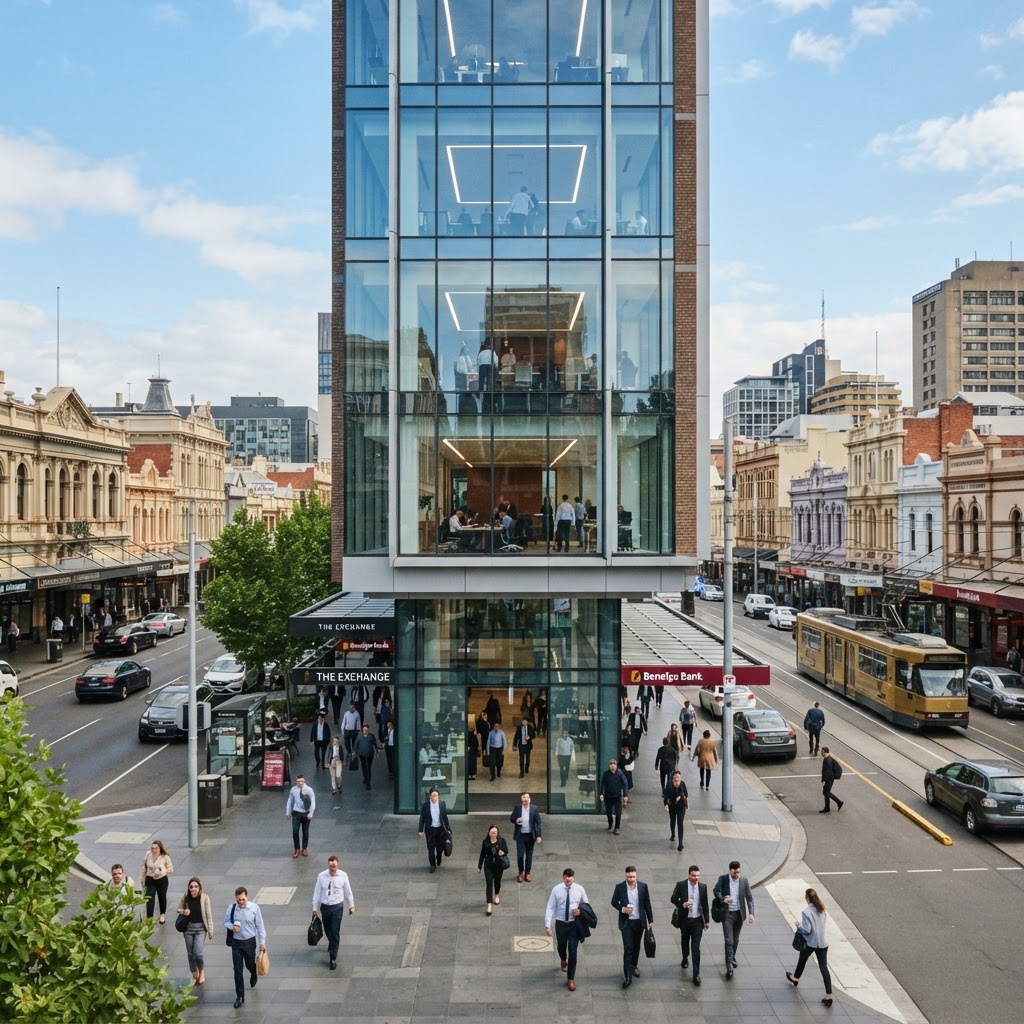
Bendigo is witnessing a fresh wave of business openings that reflect the swirl of global economic forces currently at play. Over the past six months, local entrepreneurs have launched 42 new enterprises in sectors ranging from food production to digital services, with many citing the ripple effects of international supply chain recalibrations and cost pressures as pivotal in shaping their strategies.
The worldwide turbulence of the past two years-from China’s shifting manufacturing policies to rising fuel prices-has upended the certainty many local businesses once took for granted. According to a July 2026 report by the Australian Bureau of Statistics, international shipping costs have increased by 15% year-on-year, pushing local retailers and manufacturers in Bendigo to seek alternatives. This dynamic is particularly relevant as inflation remains stubbornly above the Reserve Bank’s 2-3% target range, influencing pricing and investment plans.
Moreover, evolving consumer preferences toward sustainability and local sourcing create additional complexity but also opportunity. The surge in online sales globally, exacerbated by partial lockdowns elsewhere earlier this year, means Bendigo businesses must adapt both their supply chains and marketing strategies to remain competitive.
Local initiatives like the Bendigo Business Growth Hub (BBGH) on Pall Mall and the Bendigo Regional Innovation Centre (BRIC) on Nolan Street are playing a critical role in helping startups and small enterprises navigate these headwinds. BBGH reports a 30% increase in advisory sessions focused on supply chain resilience since January.
Smaller-scale manufacturers such as Golden Plains Artisan Foods, recently relocated to a new facility in Eaglehawk, have shifted from imported ingredients to sourcing within a 200-kilometre radius to control costs and guarantee delivery times. Meanwhile, tech startup LumiData, headquartered in the BRIC building, has secured a $250,000 federal grant to develop AI tools aimed at forecasting supply chain disruptions for regional businesses.
Real estate reflects this shift as well. According to a mid-2026 survey by REIBendigo, commercial rents in the central business district along Williamson Street have seen a modest rise of 4% compared to early 2025, driven by heightened demand from new enterprises aiming to capitalize on Bendigo’s competitive cost structure relative to Melbourne.
However, some businesses face higher import costs. The increased expense for imported electronics components-up by nearly 12% this calendar year-is prompting local IT retailers and service providers to reevaluate their inventory and pricing policies.
For Bendigo’s hospitality sector, which rebounded robustly post-pandemic, fluctuating global food prices challenge profit margins. Operators reporting through the Bendigo Chamber of Commerce in June have highlighted a 7% rise in wholesale food costs over the last quarter alone.
Experts at BBGH advise local entrepreneurs to focus on supply chain diversification and digital transformation to mitigate global risk factors. The state government’s recent Local Enterprise Assistance Program (LEAP) now includes dedicated funding streams for businesses investing in local sourcing infrastructure and e-commerce capability, particularly in regional hubs like Bendigo.
Business owners are encouraged to attend the upcoming Regional Business Forum at the Ulumbarra Theatre on July 22, which will focus on adapting to international market shifts and exploring funding opportunities. Meanwhile, collaboration between local manufacturers, logistics providers, and research institutions promises to play a vital role in helping Bendigo maintain its competitive edge.
In a city balancing rich heritage with innovation, the intersecting global and local forces define a complex but promising landscape. Local businesses that can read these signals and respond agilely will not only survive but thrive amid the changing economic tides.

Business

Business

Business

Business
Business
Business
About this articleBeta
Published by The Daily Bendigo
Spread the word
Daily brief
Free, in your inbox before 7am. Weekdays.
The Daily Network — local news across Australia