Business
Bendigo Businesses Face Shifting Market Trends as 2026 Midyear Data Emerges
Key shifts in consumer spending and supply chain dynamics mean local companies must adapt quickly to stay competitive.
3 min read
Business
Key shifts in consumer spending and supply chain dynamics mean local companies must adapt quickly to stay competitive.
3 min read
Bendigo businesses are encountering significant market shifts mid-2026, prompting a reevaluation of strategies across sectors ranging from retail to manufacturing. Recent data indicate a mixed picture, with consumer confidence dipping while supply chain pressures ease, creating both challenges and opportunities for local enterprises.
The timing of these changes is critical as businesses prepare for the upcoming post-winter season and holiday trade. After months of economic uncertainty fueled by global inflationary pressures and fluctuating commodity prices, Bendigo companies are adjusting operations to align with evolving customer behaviour and cost structures.
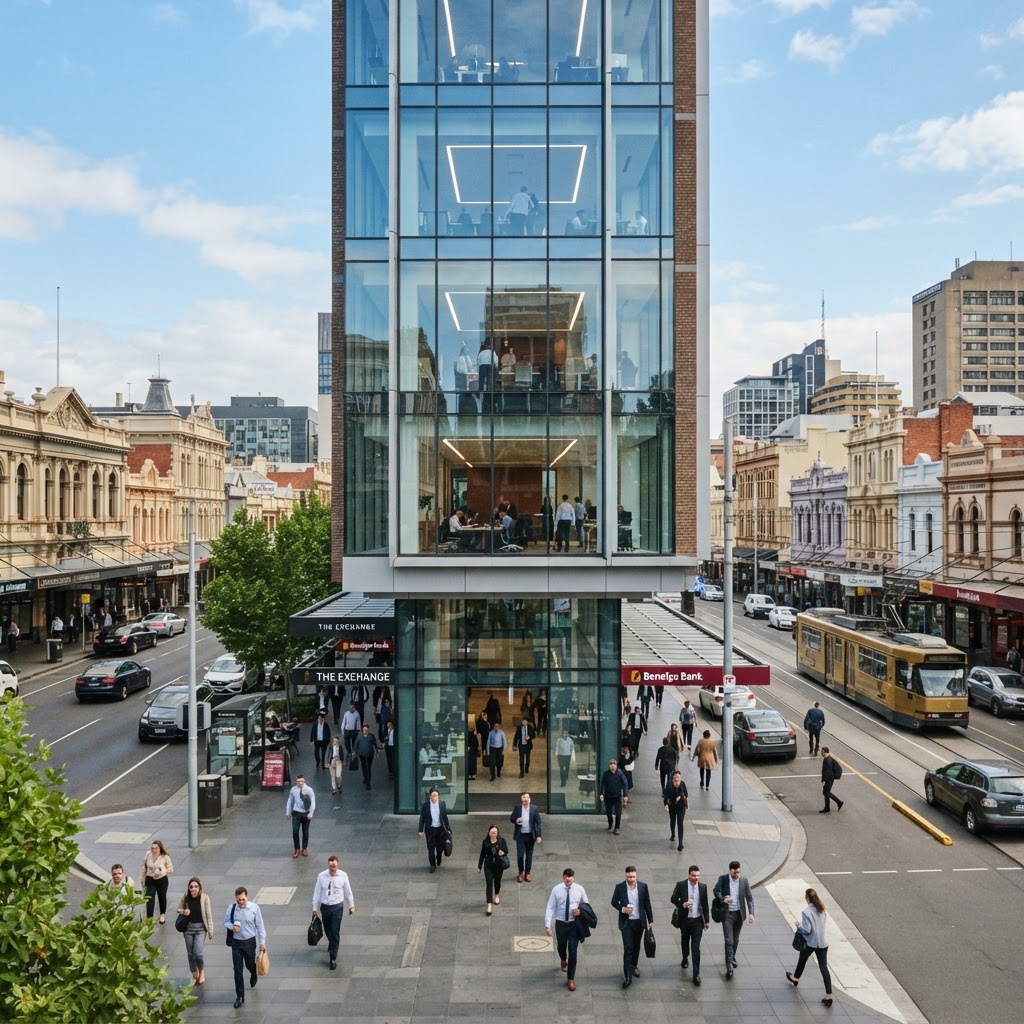
Within Bendigo's CBD, businesses along Hargreaves Street report slower foot traffic in early July. Retailers such as the Bendigo Market Mall and specialty shops in the Mitchell Street precinct have tightened inventory controls after noticing a 12 percent decline in discretionary spending since May. Meanwhile, the city's industrial corridor around Eaglehawk Road shows renewed activity, with local manufacturer Golden Plains Foundry ramping up output due to easing raw material delays.
Supporting this adaptive shift, the City of Greater Bendigo’s Business Support Program has announced new workshops on digital marketing and supply chain diversification, aimed at equipping SMEs with tools to navigate uncertain demand and logistic disruptions. The program's upcoming session on July 22 is already attracting an influx of registrations, signaling strong community engagement.
According to the latest report from the Victorian Chamber of Commerce and Industry released on July 5, Bendigo's regional employment rate remains steady at 96.4 percent, but consumer confidence index locally has fallen to 89.3-below the April peak of 98.7. Retail rents on Pall Mall have increased modestly by 4.5 percent year-over-year, indicating landlords’ confidence despite softer sales figures.
Input costs tell another story: supply chain improvements have led to a 7 percent reduction in logistics expenses for Bendigo manufacturers over the past quarter. However, energy costs have edged upward by approximately 3.2 percent, affecting operational budgets across hospitality and small manufacturing ventures, especially those concentrated in Kangaroo Flat’s light industrial estates.
These figures show that while demand uncertainty persists, cost efficiencies gained through smarter sourcing and local partnerships can offer breathing room. Businesses with proactive approaches are better positioned to absorb rising expenses without passing on prohibitive price increases to customers.
Looking ahead, Bendigo companies should closely monitor consumer sentiment indicators and supply trends, adjusting inventory and workforce levels accordingly. Engaging with programs like the Greater Bendigo Business Support and leveraging updated market intelligence will be essential. Business owners are also advised to explore diversified channels, including e-commerce options activated through local platforms, to capture more resilient revenue streams as market dynamics evolve.
Business
Business
Business

Business
Business
Business
About this articleBeta
Published by The Daily Bendigo
Spread the word
Daily brief
Free, in your inbox before 7am. Weekdays.
The Daily Network — local news across Australia