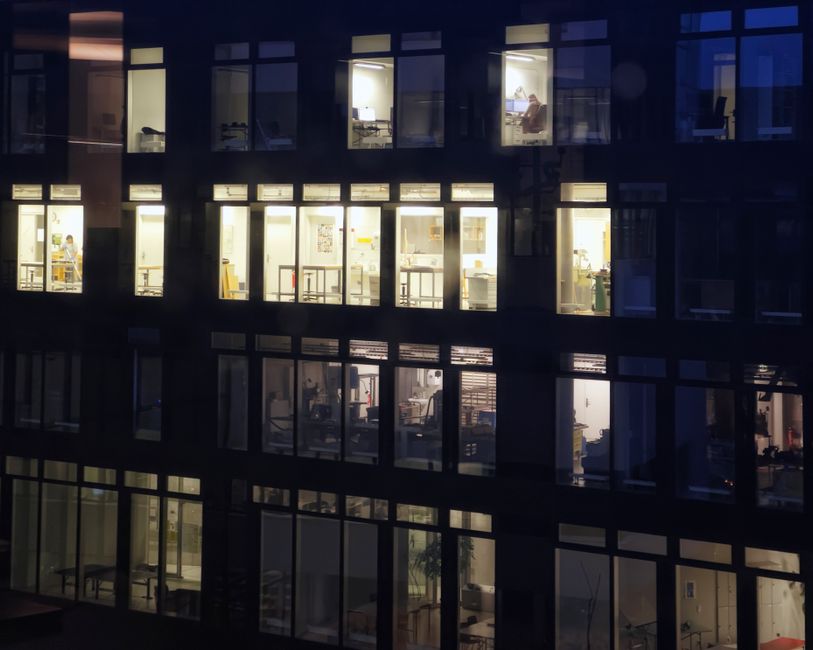
Bendigo's commercial property market is quietly splitting in two. Prime office space in the inner CBD is holding firm — in some cases tightening — while secondary and older stock along peripheral strips is sitting empty for longer than it has in years. For residents who rent, shop or work in the city, understanding that divide matters more than most people realise.
Nationally, the mood around commercial property is unsettled. Melbourne's investor class has pulled back sharply following last month's state budget changes, and first-home buyers are hesitating even as prices cool in major capitals. Meanwhile, competition for industrial land is intensifying as data centre operators scout sites across regional Victoria, bidding against freight logistics firms and housing developers for the same parcels. Bendigo sits squarely in that crossfire — large enough to attract serious infrastructure interest, small enough that a single major development can reshape an entire precinct.
What the Numbers Show on the Ground
Office vacancy in Bendigo's Mitchell Street and Pall Mall corridor — the city's traditional commercial spine — sits at roughly 8.5 percent as of the June 2026 quarter, according to figures circulated by the Bendigo Business Council at its May general meeting. That is low by regional standards and reflects steady demand from professional services firms, state government agencies, and the health sector anchored by Bendigo Health's expanding Lobb Street campus. Net face rents for A-grade offices in that strip are tracking between $280 and $320 per square metre annually — up about 6 percent on the same period in 2024.
Strip out the top tier and the picture darkens. Buildings more than 20 years old, particularly those without reliable car parking or modern fitouts, are recording vacancies above 18 percent. Several View Street tenancies that housed retailers and professional offices through the pandemic years have been empty since late 2025. On Bull Street, at least three ground-floor commercial spaces have sat vacant for more than nine months. Property managers in the city say landlords holding older stock are increasingly being asked to co-contribute to fit-out costs just to secure a lease — something almost unheard of locally five years ago.
Why does this affect everyday residents? Because prolonged commercial vacancy changes a street. Foot traffic falls. Nearby cafes and service businesses lose passing trade. Councils collect less in rates revenue, which eventually affects services. And when large parcels finally do transact — as is expected with at least two significant View Street properties currently being quietly marketed — what replaces the old tenants shapes the neighbourhood for a decade.
The Industrial Wild Card and What It Means for You
The bigger structural shift is happening on Bendigo's industrial fringe, particularly around the Marong Road and McIvor Highway business parks. Demand for large, power-intensive industrial sites — driven by data centre operators and logistics firms — has pushed asking prices for serviced industrial land above $280 per square metre in some estates, compared with roughly $195 two years ago. That competition is crowding out smaller manufacturers and trade businesses that might otherwise have expanded locally, forcing some to consider Castlemaine or Echuca instead.
For residents, the practical consequence is that the industrial workforce — electricians, fabricators, warehouse operators — may increasingly commute from further afield, adding pressure to housing in the city's outer suburbs like Maiden Gully and Strathdale rather than easing it.
Anyone renting a commercial space — a physio clinic, a small retailer, an accountant — should read their lease carefully before the next renewal. With A-grade rents rising and older-stock landlords keen to offload costs onto tenants, the gap between what you're paying and what comparable space costs elsewhere in the city is worth benchmarking now, not at renewal time. The Bendigo Business Council offers a free lease-review referral service through its Small Business Connect program. Use it. The market is moving faster than most tenants' leases anticipated.