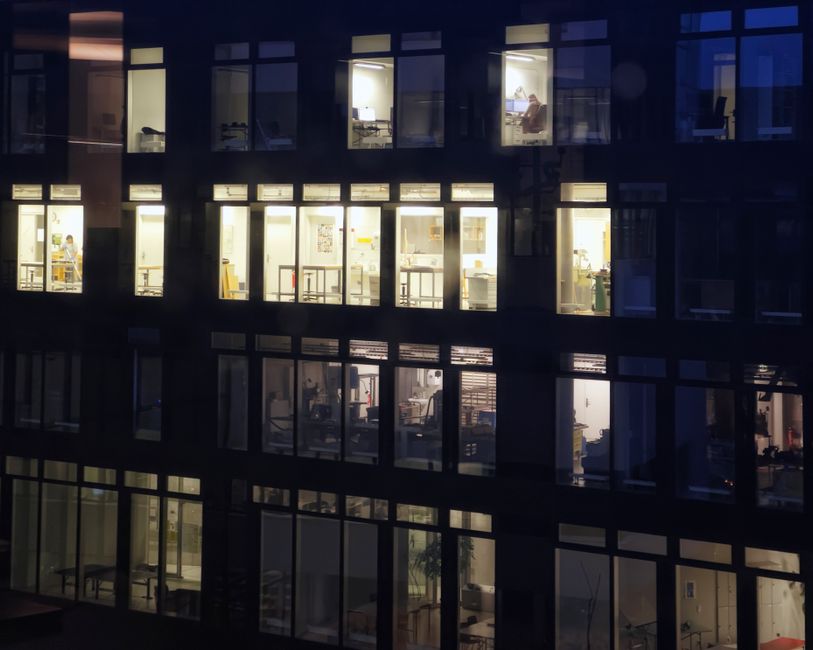
Commercial vacancy rates in Bendigo's central business district have crept above 12 percent this financial year, according to property managers active in the market, a figure that tracks a broader national trend as office demand fragments between high-spec suburban hubs and cheap-fit-out rural alternatives. The timing matters: globally, the race to site artificial intelligence datacentres is swallowing industrial land at a pace that economists say could push up lease costs across every tier of the commercial property ladder, including mid-sized regional centres like this one.
The pressure is not abstract. When large landholders divert industrial zoned land to datacentre infrastructure, a pattern already visible on the outskirts of Melbourne and Sydney, logistics firms, light manufacturers and service businesses get squeezed out. Some of those businesses look regionally. Bendigo, sitting 150 kilometres north-west of Melbourne on the Calder Freeway corridor, has historically absorbed that kind of overflow. But absorption only works if the city's own commercial stock is priced competitively and configured for modern fitouts, and right now there are real questions about both.
Mitchell Street and the Vacancy Problem
Walk the length of Mitchell Street on a Thursday morning and the gaps are obvious. Three ground-floor tenancies between View Street and Hargreaves Street have been dark for more than six months, according to signage and local agents. The Bendigo CBD Revitalisation Taskforce, a council-backed working group that met most recently in May, has flagged upper-floor office stock as a particular problem: buildings erected in the 1980s and 1990s that lack the fibre connectivity, energy ratings and open-plan configurations that incoming tenants, particularly in professional services and technology, now treat as non-negotiable.
The Bendigo Business Hub on Williamson Street offers a partial counterpoint. Flexible co-working desks there have been at or near capacity since early 2025, and the Hub expanded its hot-desk allocation by 15 percent in March to meet demand from sole traders and small teams that no longer want to commit to a traditional lease. That model, short tenure, shared infrastructure, no fitout cost, is winning across the country, and Bendigo is not immune to the logic.
National data reinforces the bifurcation. The Property Council of Australia's January 2026 Office Market Report recorded a 14.8 percent vacancy rate for secondary-grade office space in Australian CBD markets combined, against just 8.3 percent for premium-grade stock. Regional markets generally track secondary-grade trends with a six-to-twelve month lag. If that pattern holds, Bendigo's older commercial stock, much of it along Bull Street and the northern end of Pall Mall, faces further softening before any floor emerges.
What Local Businesses Should Be Watching
Lease renewals are the immediate pressure point. Several Bendigo-based professional services firms with leases expiring before December 2026 are reportedly negotiating hard on rent, in some cases achieving reductions of 8 to 10 percent on face rates, with fitout incentives thrown in. That is leverage tenants have not held in this market for years, and businesses that renew without testing competing offers are leaving money on the table.
At the same time, the competition for well-fitted, energy-efficient space is real. The Bendigo Sustainability Hub precinct near the Hargreaves Mall has attracted several small firms specifically because of its solar credentials and low running costs, a factor that feeds directly into ESG reporting obligations that even mid-sized businesses now face from clients and insurers.
Landlords sitting on ageing stock face a blunter choice: invest in upgrades now, or accept that vacancy will widen further as the gap between premium and secondary product grows. Council's current planning scheme review, open for submission until August 15, includes provisions that could streamline change-of-use approvals, potentially unlocking office-to-residential conversions on upper floors that have been commercially unviable for years. Businesses and property owners would do well to read the fine print before that window closes.