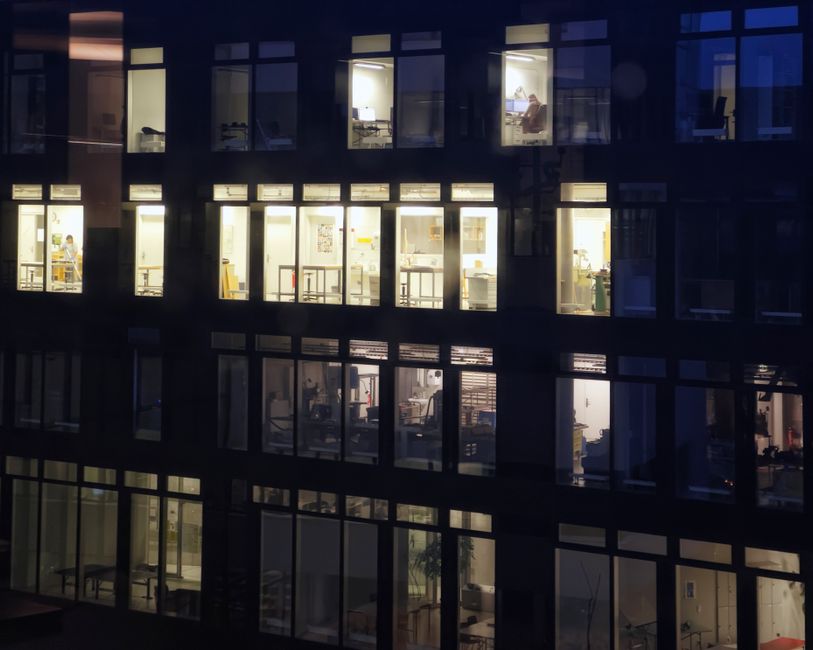
Commercial vacancy in Bendigo's central business district climbed to roughly 11 percent in the first half of 2026, according to figures circulated by local agents — the highest level recorded since the post-pandemic shuffle of 2021 that saw dozens of government and professional-services tenants consolidate floor space or shift to hybrid working arrangements. The trend is not confined to Bendigo, but it is biting harder here than many local landlords expected when they refinanced at higher interest rates two years ago.
The timing matters because several significant leases along View Street and Hargreaves Street are due for renewal before December, and agents say negotiations are grinding. Tenants know the leverage has shifted. Owners who bought B-grade stock at 2021 prices are now being asked to offer rent-free periods of three to six months just to keep existing occupiers in place — a concession that was almost unheard of in this market eighteen months ago.
What's Driving the Pressure
Three forces are colliding at once. First, national property data released in late June showed Australian commercial yields softening across regional centres as interest rates remained elevated through the first half of the year, compressing asset values for owners carrying variable-rate debt. Second, the scramble for industrial and logistics land — accelerated nationally by AI data-centre demand and freight expansion — is pulling developer attention and capital away from office refurbishment projects. In Bendigo, that has left several older Pall Mall and Mitchell Street buildings in limbo, neither attractively renovated nor cheap enough to lease quickly at current asking rents of $280 to $340 per square metre gross for prime space.
Third, public-sector tenants — historically the ballast of Bendigo's office market — are under their own pressures. The Department of Jobs, Skills, Industry and Regions, which occupies a substantial footprint on Lyttleton Terrace, has been reviewing its accommodation requirements as hybrid work policies settle into something permanent. Any contraction there would add meaningful square meterage to an already soft market.
The City of Greater Bendigo's own economic development unit has flagged office absorption as a concern in internal briefings to councillors this year. The municipality has been pushing the Bendigo CBD Activation Strategy, a program aimed at drawing hospitality, creative industries and co-working operators into vacant ground-floor retail and office space, but uptake has been uneven. Spaces Bendigo, a co-working hub on View Street, expanded its hot-desk offering in March 2026, which speaks to demand at the flexible end of the market — but flexible desks do not fill full floors.
Who's Watching and What Comes Next
Regional commercial agents are advising landlords of secondary stock to get realistic about face rents before the spring leasing season. Buildings without upgraded end-of-trip facilities, reliable fibre connectivity and energy-efficiency ratings above a 4.5-star NABERS benchmark are increasingly difficult to place, even at discounted rents. One Bendigo property group is reportedly considering converting a six-storey Queen Street office building to a mixed residential and serviced-apartment use, a repurposing strategy that has gained traction in Melbourne's Docklands and Southbank precincts over the past two years.
On the demand side, the outlook is not entirely grim. Bendigo's health and education sectors — anchored by Bendigo Health on Lucan Street and La Trobe University's Edwards Road campus — continue to generate steady, if modest, demand for professional office space near those campuses. Legal and accounting firms servicing the region's agricultural sector have also shown resilience. But that demand is specific: it wants quality, location and car parking, and it is unwilling to pay 2022 rents for 2005 fitouts.
Landlords who move early on incentives and capital works will be better placed by the time the Reserve Bank of Australia delivers any rate relief — widely expected no earlier than the first quarter of 2027. Those who wait, hoping the market turns before their next lease expiry, are likely to find the negotiating table even less comfortable than it is today.