What Bendigo shoppers need to know as local retailers battle online giants
Rising costs and changing consumer habits are reshaping how independent businesses operate on Pall Mall and beyond.
3 min read
Rising costs and changing consumer habits are reshaping how independent businesses operate on Pall Mall and beyond.
3 min read
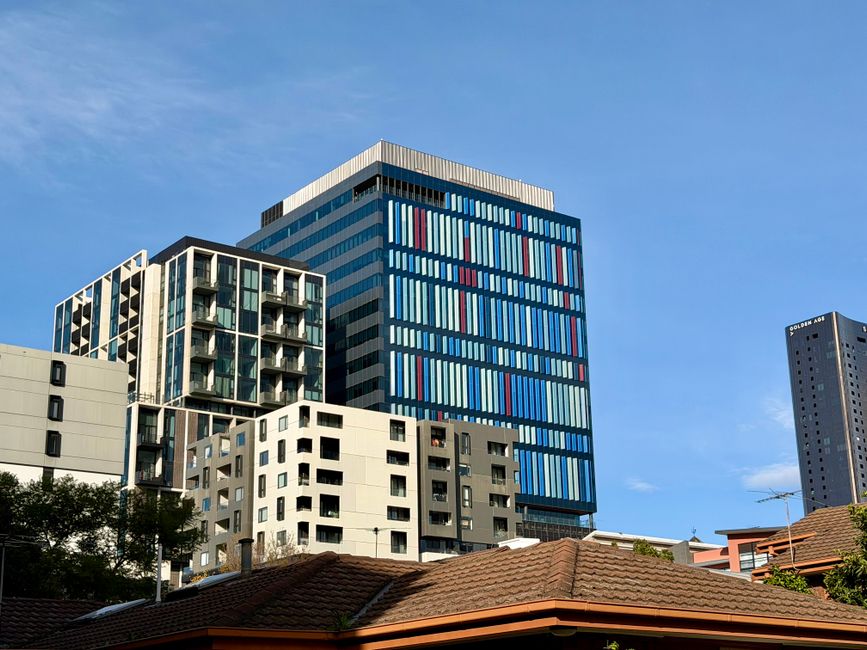
Bendigo's retail landscape is undergoing a quiet but significant transformation, and everyday shoppers are at the centre of it. As local business owners grapple with rising overheads, supply chain pressures, and competition from e-commerce platforms, residents need to understand how their spending choices directly affect the vibrancy of the CBD and neighbourhood shopping strips.
The data tells a compelling story. According to the Victorian Small Business Commission's latest quarterly report, independent retailers across regional centres like Bendigo are operating on average margins 15–20% lower than they were three years ago. Rent on Pall Mall has increased by roughly 8% over the past 18 months, while utility costs for a typical 1,500-square-metre shopfront now exceed $12,000 annually. For a boutique fashion store or independent café, these figures aren't abstract—they're the difference between survival and closure.
The shift to online purchasing has accelerated significantly since 2024. Local retailers report that foot traffic on Pall Mall and around the Bendigo Market precinct remains steady, but the conversion rate—the proportion of browsers who actually buy—has declined. When a customer researches a product in-store, compares prices on their phone, and then purchases online, the local business absorbs the overhead cost without the sale.
But here's what residents should grasp: independent shops provide more than transactions. They create employment for 340+ people in Bendigo's retail sector, many in part-time and casual roles that suit families and students. They contribute to the aesthetic and safety of neighbourhoods. They sponsor local sporting clubs, school fetes, and community events. When a business closes, that employment disappears, and the economic multiplier effect—the spending those workers do in their communities—evaporates.
This isn't a call for charity. Rather, it's about understanding the real cost of convenience. A $5 coffee purchased three times weekly at a local laneway café on View Street generates roughly $780 annually for that business. The same purchase made online or at a chain outlet sends that money elsewhere.
Smart consumers in Bendigo are increasingly asking themselves: which businesses do I want to exist in my community? Some are consciously shifting purchasing patterns—buying groceries at Bendigo's independent greengrocers, patronising local hairdressers, and supporting family-run homewares stores. Others are discovering that local businesses often offer personalised service, faster problem-solving, and a genuine investment in community relationships that larger competitors cannot replicate.
The next 12 months will be critical for Bendigo's small business sector. Residents who understand this dynamic aren't just customers—they're stakeholders in the kind of city Bendigo becomes.
This article was compiled by AI from the sources linked above and screened before publishing. See our editorial standards.
Spread the word
About this article
Published by The Daily Bendigo
Daily brief
Free, in your inbox before 7am. Weekdays.