Office Space Revolution Opens Door for Bendigo's Smart Investors
As flexible working reshapes demand, savvy commercial players are snapping up long-vacant properties while landlords scramble to adapt.
2 min read
As flexible working reshapes demand, savvy commercial players are snapping up long-vacant properties while landlords scramble to adapt.
2 min read
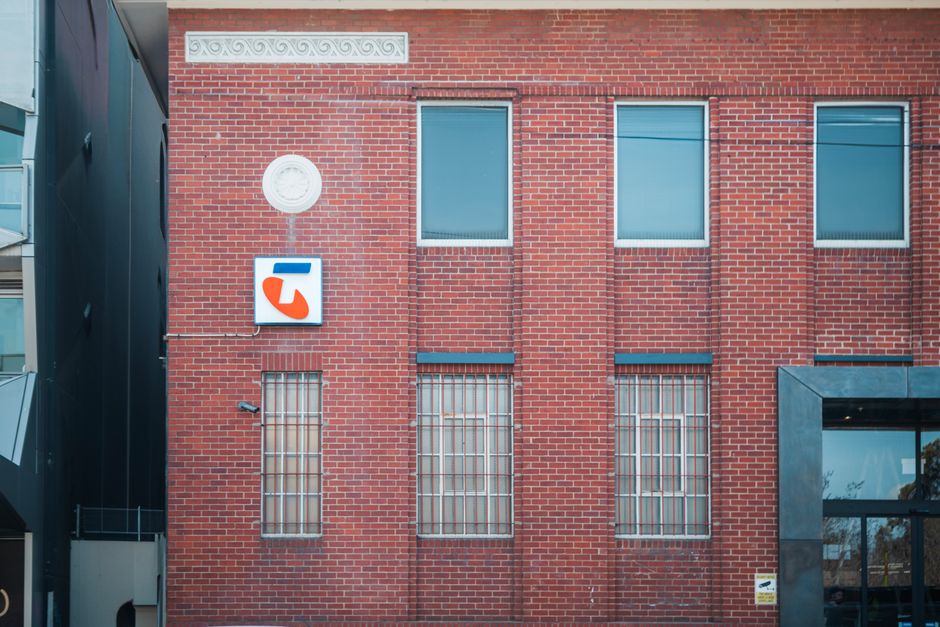
Bendigo's commercial property market is entering a rare window of opportunity. After years of stagnation in traditional office space, a confluence of factors—hybrid work normalisation, corporate consolidation, and changing tenant expectations—has created conditions where nimble investors and forward-thinking operators are already capturing significant value.
The shift is most visible around Pall Mall and the Cathedral precinct, where several mid-sized office buildings have traded hands in the past 18 months at valuations 15-20 per cent below historical asking prices. One Hargreaves Street property, vacant for over two years, recently leased its ground floor to a boutique professional services firm seeking flexible hot-desking arrangements rather than long-term locked-in space. That adaptive reuse—once unthinkable in Bendigo's rigid leasing culture—is now becoming the norm.
Commercial real estate agents report mounting enquiry from two distinct groups. First, established businesses are right-sizing, consolidating multiple floor holdings into single, modern-configured spaces. Second, newer entrants—tech firms, hybrid consulting practices, and co-working operators—are actively hunting for landlords willing to negotiate lease terms around occupancy flexibility rather than traditional five-year commitments.
The winners emerging from this transition share common traits. Landlords who've invested in basic refurbishment—improved lighting, collaborative meeting zones, faster internet infrastructure—are attracting tenants willing to pay premium rates for modernised spaces. One Bendigo-based property group acquired a neglected 1980s office tower on View Street for $4.2 million last year; modest tenant improvements and a redesigned ground floor have already attracted three new long-term leases, reversing a six-year vacancy spiral.
Conversely, owners clinging to outdated lease terms and reluctant to upgrade are watching value erode. Several properties in the central business district remain underutilised because landlords resist repositioning toward modern workplace standards.
The data supports this divergence. Bendigo's office vacancy rate sits at approximately 12 per cent—above regional averages but still representing genuine scarcity in the better-quality stock. Average commercial yields have compressed slightly, but properties showing tenant diversity and flexible configurations are achieving better occupancy rates and shorter leasing cycles.
For investors with capital and vision, the opportunity window remains open—but narrowing. The commercial landscape that defined Bendigo for two decades is shifting, and those adapting first are already benefiting. Property owners facing a choice between modernisation and decline will find the economics increasingly clear.
This article was compiled by AI from the sources linked above and screened before publishing. See our editorial standards.
Spread the word
About this article
Published by The Daily Bendigo
Daily brief
Free, in your inbox before 7am. Weekdays.