Bendigo's Office Market Faces Perfect Storm of Headwinds in 2026
Rising interest rates, hybrid work trends and oversupply are forcing landlords and developers to rethink their strategies across the city's commercial precincts.
2 min read
Rising interest rates, hybrid work trends and oversupply are forcing landlords and developers to rethink their strategies across the city's commercial precincts.
2 min read
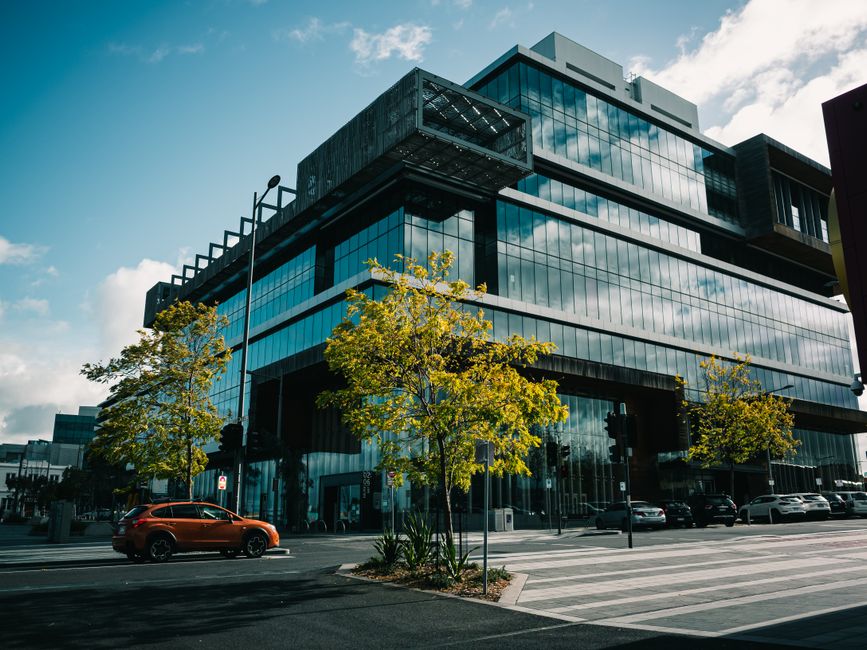
Bendigo's commercial property sector is navigating one of its most challenging years on record, with multiple structural headwinds colliding to reshape the office market landscape across the CBD and surrounding business districts.
The convergence of elevated interest rates, persistent hybrid working arrangements, and a swelling inventory of available space has created acute pressure on landlords, particularly along High Street and the Golden Square precinct. Real estate analysts tracking the market report that prime office vacancy rates in central Bendigo have climbed to 14.2 per cent—significantly above the 8-10 per cent range considered healthy for a regional market of this size.
"We're seeing tenants consolidate rather than expand," explains one local commercial agent, noting that corporate occupiers are reassessing their spatial requirements as flexible work arrangements become entrenched. Several mid-tier professional firms have either downsized their Bendigo operations or relocated to shared workspace facilities, reducing demand for traditional long-term leases.
Rental growth, which averaged 3-4 per cent annually through 2024, has stalled. Available office stock on View Street and throughout the Pall Mall commercial zone suggests landlords are competing aggressively for tenants. Market observers report that net effective rents—after incentives—have compressed, squeezing owner returns just as holding costs rise.
The financing environment compounds these pressures. Construction financing for speculative office development has become prohibitively expensive, effectively freezing new supply additions. Yet existing inventory accumulated from pre-pandemic development cycles continues weighing on prices. Several partially-leased commercial buildings in the Bridge Street area exemplify the challenge: newer stock struggling to achieve pre-COVID occupancy levels.
Institutional investors, who historically provided steady capital for office acquisitions, have become more cautious. Interest rate assumptions embedded in property valuations have shifted materially, forcing reassessments of deal economics across the sector.
However, selective opportunities remain. Properties offering adaptive reuse potential—converting to mixed-use or residential components—are attracting interest. The sustainability credentials of buildings also matter increasingly, as corporate tenants factor environmental performance into location decisions.
The outlook depends heavily on interest rate trajectory and broader economic conditions. If rates stabilise and employment remains resilient, Bendigo's office market may find equilibrium within 18-24 months. Until then, landlords face an uncomfortable period of adjustment, with portfolio performance heavily dependent on tenant quality and lease structure flexibility.
This article was compiled by AI from the sources linked above and screened before publishing. See our editorial standards.
Spread the word
About this article
Published by The Daily Bendigo
Daily brief
Free, in your inbox before 7am. Weekdays.