Community
Bendigo's Growth Suburbs: The New Communities Taking Shape on the City's Edges
The northern and eastern growth corridors are where Bendigo's population expansion is being accommodated.
Community
The northern and eastern growth corridors are where Bendigo's population expansion is being accommodated.
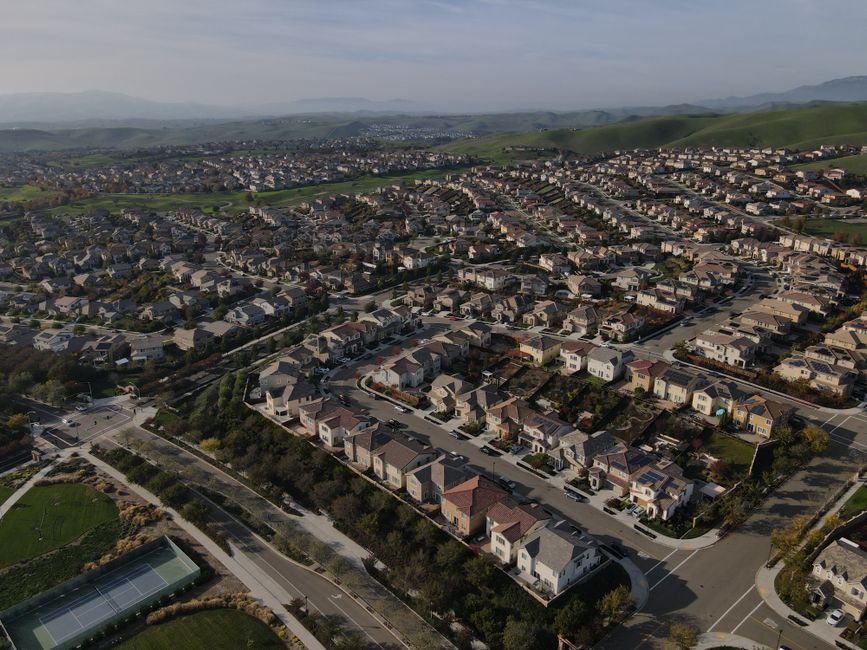
Bendigo's population growth, driven by the combination of the internal Victorian migration from Melbourne and smaller regional centres and the natural population increase of a city with a younger demographic than the state average, is being accommodated primarily in the growth suburbs of the northern and eastern corridors where the residential land supply and the infrastructure capacity that greenfield development requires have been provided. The growth area communities of Strathdale, Kennington, Kangaroo Flat, and the developing northern suburban corridor provide the family housing market that the growing population requires at the prices that Melbourne-priced buyers who have moved to Bendigo for the affordability advantage find compelling.
The infrastructure provision challenge of growth area development, ensuring that the schools, the parks, the community facilities, and the road and drainage infrastructure that the new suburbs require are delivered as the housing is built and the population arrives rather than after the community has established without them, is the primary governance challenge that the Greater Bendigo City Council manages in the growth areas. The development contribution system that funds the infrastructure from the development value of the land provides the mechanism for the cost recovery but the timing of the infrastructure delivery relative to the population arrival remains the persistent coordination challenge of growth area management.
The local schools in the growth corridors, including the new primary schools that the Department of Education has built in response to the family population growth, provide the educational infrastructure that the family market requires for the decision to move to the growth suburbs to be viable. The school catchment boundaries and the school quality that parents assess in the school choice market create the educational geography that the real estate market reflects in the price variations between the catchments of the established and well-regarded schools and the newer schools in the developing areas.
The community facilities investment in the growth corridors, including the community centres, the sports reserves, and the neighbourhood parks that the Council and the state government fund through the growth area infrastructure programs, creates the social infrastructure that the new communities require to develop the community identity and the social cohesion that established suburbs have built over generations. The community garden, the playground, and the sporting oval are the community-building infrastructure that the family suburbs require alongside the roads, the schools, and the services.
This article was compiled by AI from the sources linked above and screened before publishing. See our editorial standards.
About this article
Published by The Daily Bendigo
More from Bendigo