Sport
Sport in Bendigo: The Clubs and the Grounds That Define Community Life
From football to basketball, Bendigo's sporting clubs are the social glue of the community.
Sport
From football to basketball, Bendigo's sporting clubs are the social glue of the community.

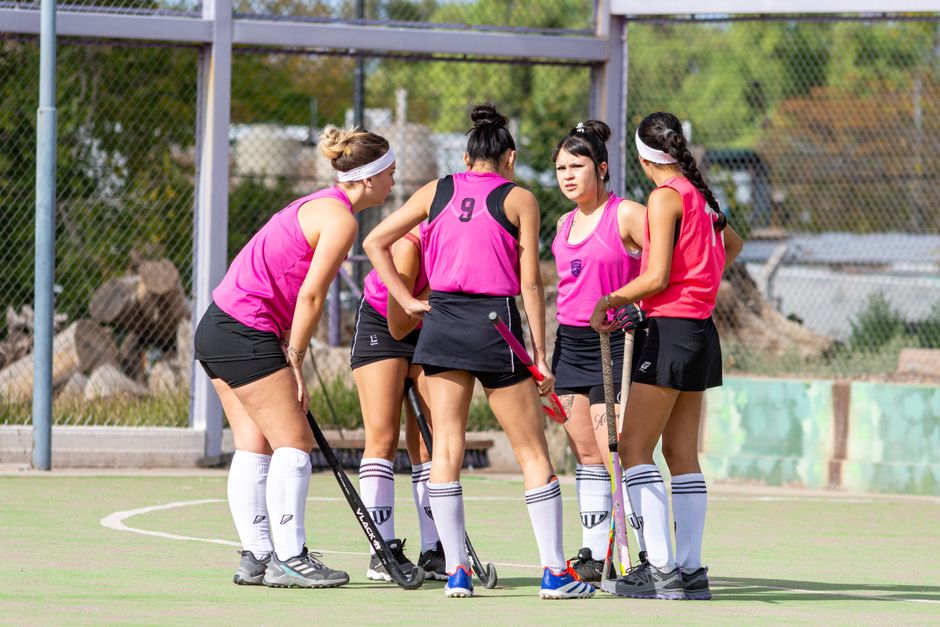
Bendigo's sporting culture, organised around the football clubs of the Bendigo Football League, the Bendigo Spirit WNBL basketball club, and the broad range of the community sport organisations that provide the participation pathways from junior to senior competition across dozens of sports, provides the community infrastructure that the social life and the physical health of the 120,000-person city depends on. The sporting club is the primary voluntary organisation in Australian regional life, providing the social connection, the shared purpose, and the community identity that the club membership creates across the generations that participate in the club's activities.
The Bendigo Football League, the premier AFL competition in the central Victorian region, provides the community football that the AFL model at the top level inspires and that the local club supports at the participation level for the players who want the competitive team sport experience without the elite pathway commitment. The local derbies between the Bendigo clubs, the Sandhurst Dragons and the Bendigo Pioneers (the TAC Cup pathway team), and the competition between the Bendigo sides and the surrounding regional clubs create the community rivalries and the local football culture that sustains the game's participation at the grassroots level.
The Bendigo Spirit, the WNBL (Women's National Basketball League) team that is one of the few regional teams in the national women's basketball competition, provides the elite women's sport that the Bendigo sports community follows in a nationally televised competition. The Spirit's role as one of the more successful WNBL franchises has sustained the national competition presence that keeps the team viable in a regional market that the larger metropolitan franchises dwarf in population terms.
The aquatic centres, the athletics tracks, the tennis clubs, and the golf courses that complete the sporting infrastructure inventory of a regional city of Bendigo's size provide the facilities for the individual and the competitive sport that the health-conscious population requires. The council's management of the public sporting infrastructure, balancing the maintenance costs and the access equity objectives of the public facilities against the commercial expectations and the revenue needs of the sport organisations that use them, is the ongoing challenge of sports facility governance in a regional city.
This article was compiled by AI from the sources linked above and screened before publishing. See our editorial standards.
About this article
Published by The Daily Bendigo
More from Bendigo