property
Bendigo Transforms Town Centers With Mixed-Use Development Projects
Strategic infill projects combining retail, office and residential spaces are reshaping Bendigo's urban landscape and attracting a new wave of investors.
How we reported this
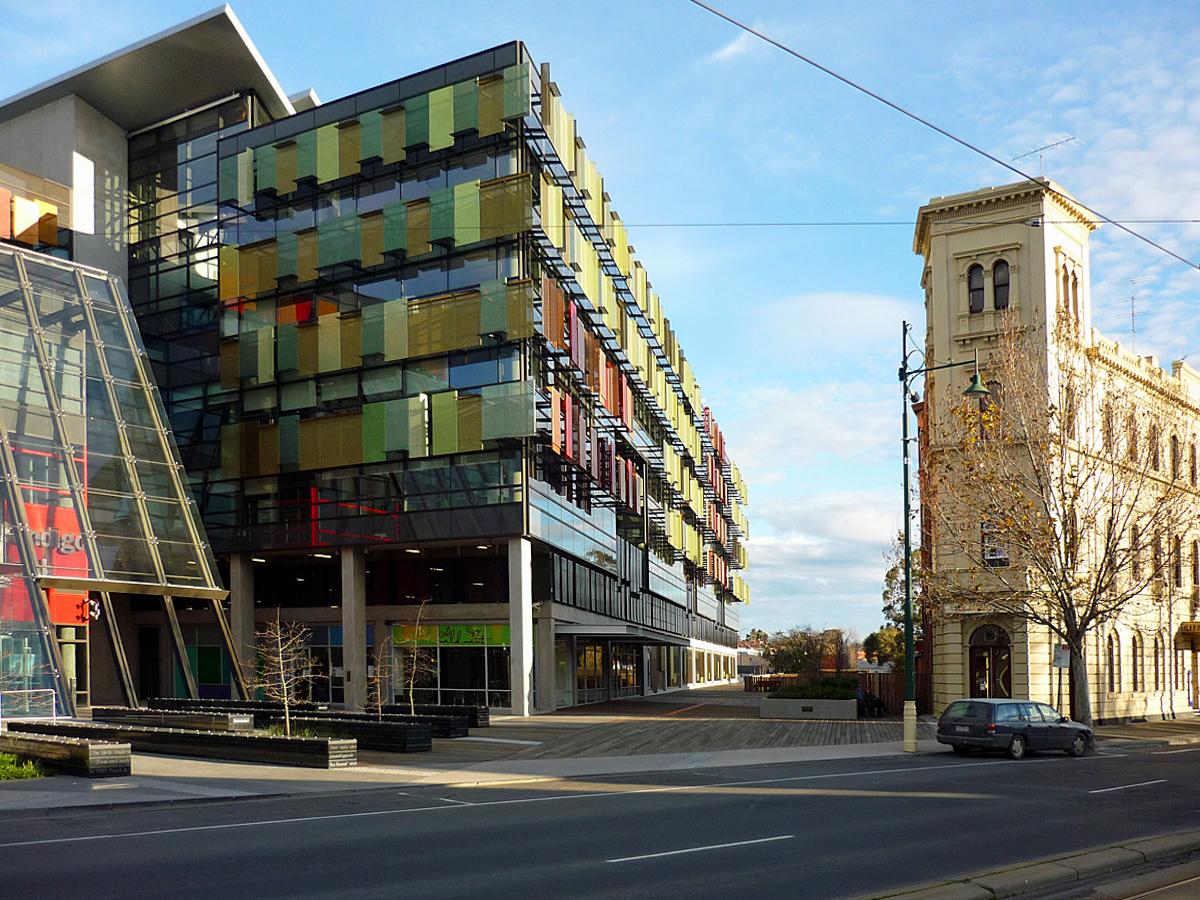
Bendigo's property market is experiencing a quiet revolution that extends far beyond the residential boom dominating headlines. While townhouse developments continue to reshape suburbs like Flora Hill and Strathdale, a wave of mixed-use projects is quietly transforming the region's town centres, creating spaces where living, working, and shopping converge in ways that fundamentally alter how people experience the city.
The shift reflects broader planning reforms that have unlocked underutilised sites across greater Bendigo. Developers are increasingly eyeing older commercial precincts, particularly around the CBD fringe and emerging secondary centres, recognising that single-use zoning is yesterday's approach. Projects converting former retail, office, and heritage buildings into mixed-use complexes-featuring ground-floor activation with apartments above-are gaining traction with both investors and planners.
"We're seeing genuine interest in adaptive reuse projects," explains local property analyst Sarah Chen. "A decade ago, a vacant shopping centre or disused office block was seen as a liability. Now, developers see potential for vibrant, 24-hour precincts that serve multiple needs."
The economics make sense. With Victoria's median house price sitting around $490,000 and Bendigo's regional boom attracting both Melbourne commuters and remote workers, demand for flexible housing near employment hubs and services has never been stronger. Mixed-use developments capture this by offering residents walkable access to shops, cafes, and co-working spaces-reducing reliance on cars and increasing foot traffic that supports local business.
The Pall Mall precinct and areas around View Street have drawn particular developer interest, with several confidential applications reportedly in the planning pipeline. Meanwhile, suburban town centres in Kangaroo Flat and Long Gully are also being recast as mini-hubs, blending residential density with retail and hospitality uses.
Infrastructure investment is crucial to this story. Improved public transport connections, car park rationalisation, and streetscape upgrades are being coordinated with development approvals, creating the conditions for genuine mixed-use success rather than ad-hoc intensification.
The challenge lies in execution. Bendigo's planning system must balance growth with character preservation and ensure that infrastructure doesn't lag behind residential numbers-lessons learned from recent flash-flooding issues linked to rapid development. Local councils are taking this seriously, incorporating water management and traffic impact assessments into mixed-use approvals.
For investors, mixed-use developments offer diversified income streams and resilience against market downturns. With Bendigo's median rent around $380 weekly and commercial vacancy rates improving, the timing appears opportune. Those willing to navigate the planning process may find themselves positioned at the forefront of reshaping not just Bendigo's skyline, but how locals live and work.
This article is general information only and is not personal financial or investment advice. Consider your own circumstances and seek licensed professional advice before making financial decisions.