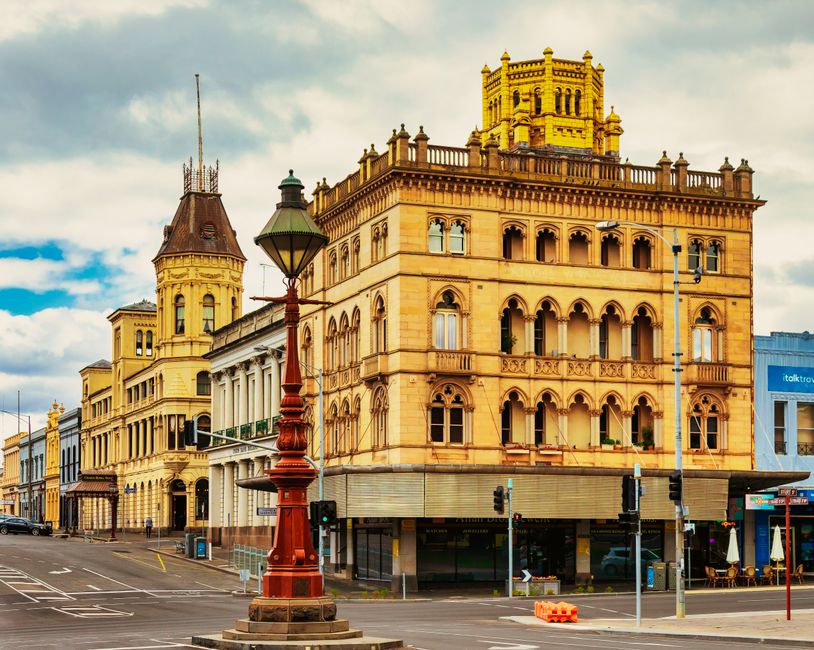
Bendigo's property market is experiencing a quiet transformation that's reshaping decades-old neighbourhoods without the controversial greenfield expansion debates tearing through other regional centres.
Rather than pushing development to the city's fringes, planners are increasingly approving infill projects—townhouses, dual occupancies, and small apartment complexes on underutilised sites within established suburbs like Flora Hill, Strathdale, and Eaglehawk. This strategic shift mirrors successful planning reforms implemented across Victoria, where medium-density zoning changes have unlocked housing supply in inner suburbs.
"We're seeing genuine appetite from developers to acquire older residential blocks in central locations," says one local agent familiar with recent approvals. With Bendigo's median house price hovering around $490,000—significantly below Melbourne's $750,000-plus benchmark—developers can acquire sites, subdivide, and deliver townhouses at competitive price points that attract both first-home buyers and investors.
The economics are compelling. A typical quarter-acre block in Flora Hill, once valued solely for its single dwelling potential, now offers developers the opportunity to create two or three separate titles. Recent sales data shows townhouse projects in Strathdale moving at $380,000–$420,000, undercutting traditional houses while offering modern finishes, low-maintenance appeal, and proximity to schools and shopping precincts.
But the strategy isn't without tension. Several infill applications have triggered resident concerns about parking, tree canopy loss, and character erosion—particularly in heritage-conscious pockets like the heritage precinct around View Street. Local council meetings have reflected these debates, with some objections to multi-unit proposals on formerly single-dwelling blocks.
Planning authorities are responding by tightening design guidelines. New infill projects must now demonstrate heritage sensitivity, adequate parking, and landscaping retention. These guardrails aim to balance housing supply with neighbourhood liveability—a lesson learned from Victoria's broader experience with rapid townhouse development.
The remote work boom has amplified demand. Bendigo's appeal to Melbourne commuters and permanent remote workers continues to strengthen, creating sustained pressure on housing stock. Infill development allows the city to absorb this demand without consuming green space or extending infrastructure costs to outlying areas.
Over the next 18 months, expect approvals for infill projects to accelerate across central wards. Developers are already assembling land banks in Strathdale and Flora Hill, betting that planners will continue favouring consolidation over sprawl. For Bendigo residents, this means more housing options—and a fundamentally different city shape.
This article was compiled by AI and screened before publishing. See our editorial standards.