News
Bendigo's Agricultural Hinterland: Farming the Central Victorian Landscape
The mixed farming country around Bendigo provides the agricultural foundation for the regional economy.
News
The mixed farming country around Bendigo provides the agricultural foundation for the regional economy.
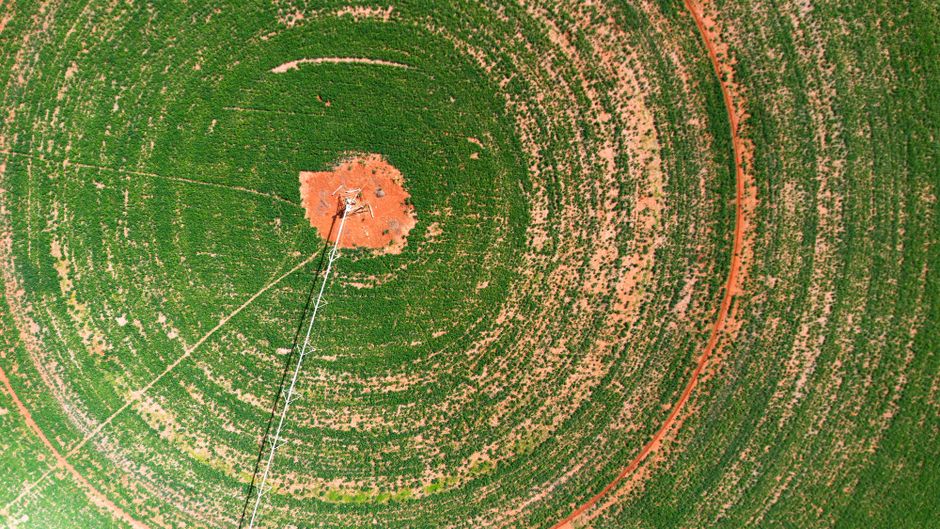
The agricultural hinterland of Bendigo, extending across the gently rolling Loddon Mallee landscape to the north and the Pyrenees and Grampians ranges to the west, produces the mixed farming output of sheep, cattle, cereal crops, and the stone fruit and wine grapes that the region's continental climate supports. The agricultural economy of Central Victoria, while less dominant in the regional economic accounts than it was before the industrial and service economy growth of the past generation, remains the foundation of the food production and the landscape character that the Bendigo region's rural communities maintain.
The Loddon Valley irrigation area, drawing water from the Loddon River system and the reservoirs that the Victorian government's irrigation infrastructure built in the twentieth century, provides the water security for the irrigated agriculture of the valley floor. The dairy, vegetable, and stone fruit production that irrigation supports contributes the horticultural and agricultural diversity that distinguishes the Loddon from the dryland cereal farming that dominates the region beyond the irrigation areas.
The wine regions of the Bendigo district, including the Heathcote, Bendigo, and Pyrenees appellations, provide the premium agricultural product that the region's continental climate and diverse soil types support. The wine industry's contribution to the regional economy extends beyond the primary production value through the tourism, cellar door hospitality, and the food and accommodation businesses that wine country generates in the areas adjacent to the vineyard concentrations.
Climate change is affecting the Bendigo region's agricultural landscape through the combination of increased temperature, more variable rainfall, and the extreme weather events that climate projections suggest will intensify. The agricultural adaptation responses, including the shift to drought-tolerant varieties, the investment in water storage and efficiency, and the exploration of new crops that the warmer conditions enable, are being developed by the farmers and the research institutions that serve them in preparation for a future climate that will require ongoing adaptation.
This article was compiled by AI from the sources linked above and screened before publishing. See our editorial standards.
About this article
Published by The Daily Bendigo
More in News