Community
Bendigo's Chinese Heritage: The Longest Surviving Chinese Community in Australia
The Chinese miners who came for gold stayed to build one of the most enduring Chinese communities in the country.
Community
The Chinese miners who came for gold stayed to build one of the most enduring Chinese communities in the country.
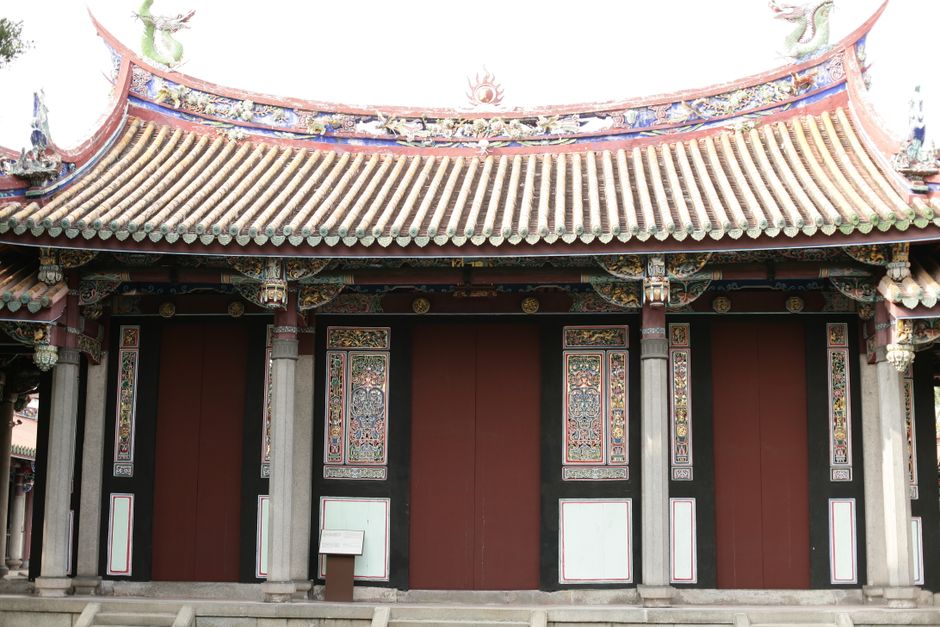
Bendigo's Chinese community, established during the goldrush of the 1850s when tens of thousands of Chinese miners came to the Victorian goldfields seeking the gold that the "new gold mountain" offered, is one of the oldest and most persistently engaged Chinese communities in Australia. The community's survival through the anti-Chinese legislation and sentiment of the late nineteenth century, through the White Australia Policy that for decades limited Chinese immigration and citizenship, and through the assimilation pressures of the twentieth century to emerge into the multicultural present as a community that actively celebrates and maintains its heritage, is one of the more remarkable stories of Australian immigration history.
The Golden Dragon Museum in Bendigo's China Town precinct houses the largest collection of Chinese processional objects in the world outside of China, including the imperial dragon Sun Loong (the longest imperial dragon in the world at 100 metres) and the century-old Loong that has paraded at the Easter Festival since 1892. The museum's collection of ceremonial regalia, the lanterns, the processional floats, and the documentary record of the Chinese community's participation in Bendigo's civic and commercial life, provides the heritage resource that the community and the city use to understand and celebrate the Chinese contribution to Bendigo's development.
The Bendigo Easter Festival, the most significant annual event in the city, centres on the processional of the imperial dragon that the Chinese community has organised continuously since 1892, making it the longest-running Chinese cultural event in Australia and one of the most distinctive annual events in any Australian regional city. The festival's combination of the Chinese dragon procession, the heritage carnival rides, the market stalls, and the community gatherings that the long weekend creates draws the largest crowds that Bendigo experiences in any week of the year.
The Joss House Temple at Emu Creek, the only surviving nineteenth century Chinese temple in Victoria, provides the most direct surviving connection to the spiritual life of the goldfields Chinese community, the building's handmade bricks, its hand-painted murals, and the altar fittings that the community maintained through a century and more of social change documenting a living faith practice in an extraordinary heritage building.
This article was compiled by AI from the sources linked above and screened before publishing. See our editorial standards.
About this article
Published by The Daily Bendigo
More in Community